


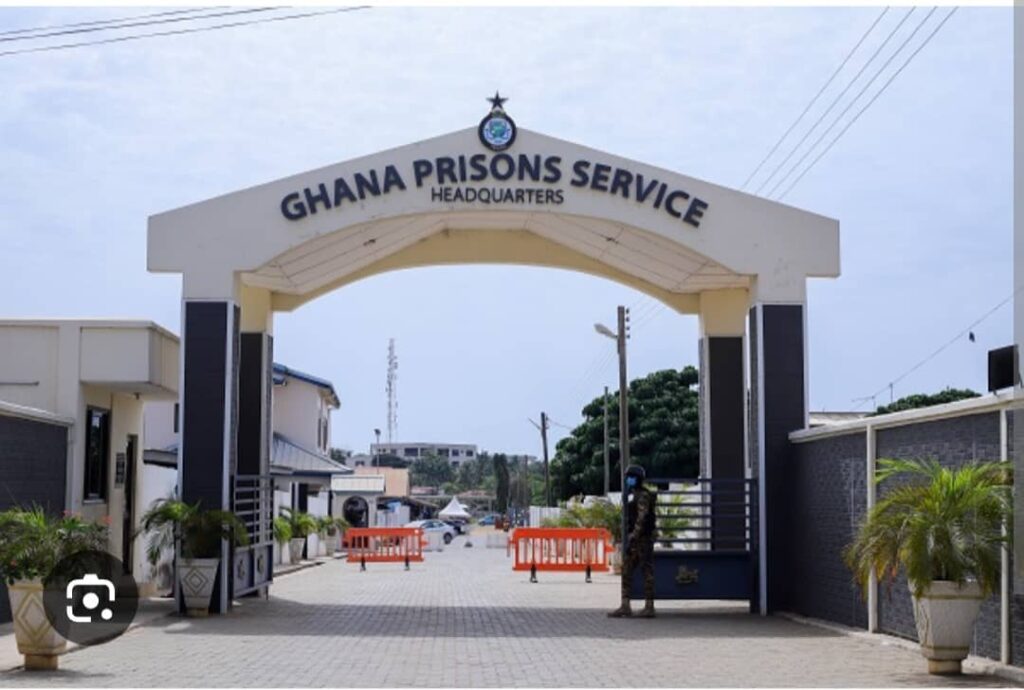
Prison issues in Ghana remain a persistent public policy challenge, characterized by overcrowding, deteriorating infrastructure, inadequate logistics, limited rehabilitation programmes, and difficult working conditions for prison officers.
Despite widespread recognition of these problems, prison reform rarely receives sustained national attention. Public policy literature is strong on the notion that the seriousness of a problem alone does not guarantee government action. Issues gain priority only when influential stakeholders successfully place them on the national agenda.
Agenda-setting theory explains that reforms occur when problems, solutions, and political opportunities align during “policy windows.” Recent opportunities, including the 2025 visit of the African Commission on Human and Peoples’ Rights, parliamentary hearings on prison conditions, and the nationwide Think Prisons 360° initiative, highlighted the potential for reform. However, limited coordination among stakeholders prevented these opportunities from generating comprehensive change beyond some incremental improvements.
The Role of the Media
The media is a critical actor in shaping public priorities and influencing government action. However, prison issues are often reported as isolated incidents rather than indicators of deeper structural problems within Ghana’s justice system.
Events such as prison inspections, riots, escapes, legislative debates, and rehabilitation initiatives provide opportunities for the media to draw attention to human rights concerns, overcrowding, inadequate funding, and rehabilitation needs. Investigative reporting and sustained coverage can humanize both inmates and prison officers while encouraging informed public debate.
The Think Prisons 360° initiative increased awareness of rehabilitation efforts, but media attention was not sustained. To maintain pressure for reform, journalists should move beyond occasional coverage and engage in continuous reporting on prison conditions, rehabilitation outcomes, and policy implementation.
Parliament and Legislative Oversight
Parliament has the constitutional responsibility to promote prison reform through oversight, accountability, and legislation. Recent parliamentary hearings exposed concerns about feeding allowances, infrastructure deficits, and operational challenges. These discussions contributed to increases in feeding rates and support for non-custodial sentencing measures.
However, meaningful reform requires more than occasional interventions. Parliamentary committees should conduct regular prison inspections, monitor rehabilitation programmes, and evaluate prison funding and management. Legislative efforts should also continue to support alternatives to incarceration, such as community service and rehabilitation-based sentencing, as strategies for reducing overcrowding.
Prison reform should be viewed as part of broader national objectives involving public safety, justice administration, and human development.
The Contribution of Civil Society
Prisoners are among the least politically represented groups, making civil society organizations (CSOs) vital advocates for reform. Through research, public education, policy briefs, media engagement, and strategic advocacy, CSOs help ensure that prison issues remain visible.
Civil society can use inspections, international human rights events, and reports on prison conditions as opportunities to sustain public and political attention. Their role also includes monitoring government commitments, budget allocations, and implementation of rehabilitation programmes.
By mobilizing public opinion and facilitating dialogue among stakeholders, CSOs help maintain momentum between major policy events and contribute to accountability.
The Responsibility of the Executive
Lasting prison reform ultimately depends on the Executive, which controls policy implementation, budgeting, and national development priorities. Although improvements such as increased feeding allowances represent progress, broader reforms remain necessary.
Government investment is needed in prison infrastructure, rehabilitation programmes, logistics, staff welfare, and vocational training. The Think Prisons 360° initiative provides a useful framework, but its success depends on sustained funding and integration into national development planning.
Prison reform should be understood not as an act of charity but as an investment in public safety, human capital development, and national security. Effective rehabilitation reduces reoffending, supports successful reintegration, and strengthens confidence in the justice system.
Additionally, prison industries can contribute to economic development through activities such as agriculture, carpentry, tailoring, and sanitation services while equipping inmates with employable skills.
The Need for Coordination
One of the major obstacles to reform is the fragmented approach among key stakeholders. Media attention is often sporadic, parliamentary engagement tends to be intermittent, civil society efforts can be isolated, and executive action is frequently cautious.
Sustainable reform requires coordination. Media attention should generate public concern; public concern should stimulate parliamentary action; civil society should maintain advocacy and accountability; and the Executive should respond through funding and policy implementation. When these actors work together, temporary policy windows can become lasting reforms.
Reframing Prison Reform
A common misconception is that prison reform is equivalent to being lenient toward offenders. Poorly managed prisons increase the likelihood of reoffending by releasing individuals without adequate education, skills, or rehabilitation support.
Similarly, prison officers working under poor conditions face challenges that affect institutional effectiveness. Improved prison management and rehabilitation programmes contribute directly to public safety by reducing recidivism and facilitating successful reintegration into society.
Prison reform should therefore be understood as both a public safety strategy and a development intervention.
Conclusion
Ghana possesses the laws, institutions, and expertise required to improve its prison system. The primary challenge is not the absence of solutions but the lack of sustained attention and coordinated action.
The media must keep prison issues visible; Parliament must strengthen oversight and legislative leadership; civil society must sustain advocacy and accountability; and the Executive must commit adequate resources and policy support. While initiatives such as Think Prisons 360° demonstrate that progress is possible, meaningful reform will depend on collective and sustained commitment.
The challenges facing Ghana’s prisons are well known, and many solutions have already been identified. What is needed now is deliberate, coordinated action to ensure that prison reform becomes a national priority rather than a recurring issue that fades from public attention.
By: Zunuo Bekanuo Gandaa
The writer is a staff of the Ghana Prisons Service
Email: bekanuo@yahoo.com
DISCLAIMER: The Views, Comments, Opinions, Contributions and Statements made by Readers and Contributors on this platform do not necessarily represent the views or policy of Multimedia Group Limited.
DISCLAIMER: The Views, Comments, Opinions, Contributions and Statements made by Readers and Contributors on this platform do not necessarily represent the views or policy of Multimedia Group Limited.
Source link


