


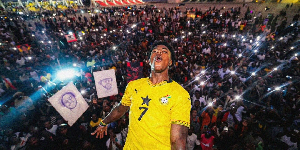

January 26, 2026, would go down in history as a time when Ghana had the opportunity to showcase its culture to over 4 million viewers around the world after popular American livestreamer IShowSpeed landed in Ghana.
The 21-year-old streamer, who has made a name for himself touring various countries worldwide, arrived in Ghana as part of his Africa tour to experience the culture and heritage of Africa.
The streamer, who currently has over 50 million subscribers on YouTube, was treated to a traditional naming ceremony, a jollof rice tasting session, a boxing competition, and a shea-butter massage during his tour in Ghana.
Currently, the video of the livestream has about 4.7 million views on YouTube and countless clips on various social media platforms.
But how did a 21-year-old amass such a huge following from just videoing himself, and what does this mean for the media industry?
Livestreaming
Livestreaming is basically the real-time or near-real-time transmission of video over the internet in real time. Subscribers and viewers can also interact with the video and other watchers through comments.
While that applies to any media house or individual, some specific individuals have gotten the title of livestreamers by constantly videoing themselves engaging in various activities.
How did it start?
While early video-sharing platforms like YouTube were launched in 2005, they allowed for pre-produced video content, allowing individuals to edit and alter videos to suit their interests before uploading.
However, in 2011, a platform that allowed video-game players to livestream themselves while playing games was launched.
Its name was Twitch. The platform blew up by 2013, and it expanded to allow any type of content aside from gaming, increasing its popularity.
YouTube, in 2013, also allowed livestreaming on its platform, allowing various media houses and individuals to air their shows and content in real time, with Facebook doing the same in 2015.
As videos and internet connectivity increased in quality, speed, and affordability worldwide, platforms like TikTok, Twitter (now X), Instagram, and many more joined.
But it wasn’t until the COVID-19 pandemic in 2020 that livestreaming took off, with billions of people around the world trapped in their homes with only the internet to keep them company; others took delight in watching livestreamers play games and music and interact with other individuals and the audience over the internet.
The rise of Livestreamers
The opening of various video platforms saw the rise of streamers like Kai Cenat, Peller, Shank, IshowSpeed, Adin Ross, XQC and Hasan Abi, who amassed millions of followers, brand deals, and money in a short span with their volatile, quirky but engaging personalities.
Livestreamers were more attractive to social media users because they were unfiltered, did not follow scripts and interacted with the audience in real time, boosting their authenticity in a time when everything seemed to be specially curated for specific audiences.
But that wasn’t all; IRL (in real life) streamers, like Speed, Shank, and Peller, those who go out of their houses to explore, gained more popularity as they interacted with people of various societies.
Speed blew up with his Europe tour, followed by his Asia tour and then his America tour.
In December 2026, he embarked on his Africa tour, shooting up his worldwide popularity and showcasing the best such countries have to offer.
Top moments from IShowSpeed’s visit to Ghana
The future
With the rise of livestreaming hitting Africa, the rise of streamers like KevtheWave, MadeinGhana and many others has been noticed.
While livestreaming will not overtake traditional video entertainment sources like TV, movies, or preproduced videos, it has proved to be another, more effective way to connect, share and entertain millions of people worldwide.
Check out videos from Speed’s tour of Ghana:


ID/EB


