



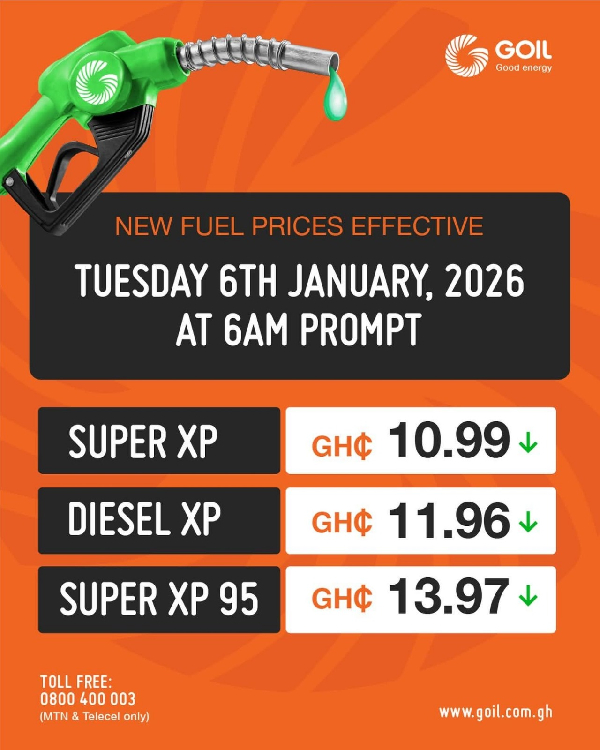
January 6, 2026, saw the reduction in prices of fuel prices across major fuel stations in the country.
At GOIL, petrol is selling for GH¢10.99, with diesel selling for GH¢11.96.
At StarOil, petrol is selling for GH¢10.56, with diesel selling for GH¢11.56.
This is in line with pricing projections from the Chamber of Oil Marketing Companies (COMAC) in December 2025, which predicted that petrol prices would fall by about 4.80 percent and diesel by 3.77 percent in January.
The drivers for the decline were listed as a reduction in international petroleum product prices and the recent appreciation of the Ghana cedi.
While the price reductions have been well received by a cross-section of Ghanaians, many have been quick to point out a period in Ghana’s history when the prices of fuel were at an all-time high.
Year in Review: Here is the number of times fuel prices were increased in 2022
2022: The Year of Runaway Fuel Prices
In 2022, fuel prices began at GH¢6.00 and gradually climbed to GH¢7.42 and GH¢7.99 in February.
By March 1, 2022, diesel and petrol had crossed the GH¢8 mark, selling at GH¢8.29.
By June, OMCs started selling a litre of diesel for GH¢12.40 and petrol for GH¢10.10 per litre.
By the end of August 2022, a litre of petrol was selling for a little over GH¢11, and diesel was selling for GH¢13.70 at various fuel pumps.
By September 1, 2022, fuel prices at local pumps had shot up by about 5.4 percent, with petrol and diesel trading at an average of GH¢11.55 and GH¢14.50, respectively.
In October of the same year, petrol was projected to sell at GH¢12.63 per litre and GH¢15.46 for diesel.
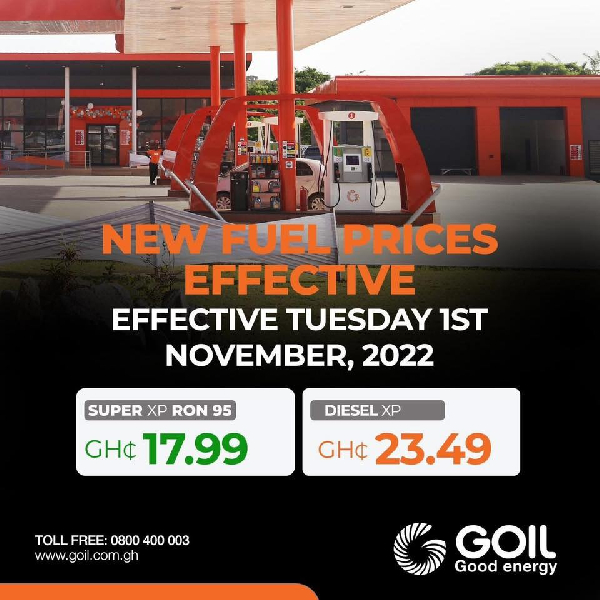
In November, fuel prices reached an all-time high, with petrol selling at GH¢16.82 and diesel at GH¢20.50.
The sharp rise was also accompanied by a rise in forex rates as well as an increment in the prices of goods and services across the country.
Ghanaians and experts blamed that economic upheaval on mismanagement and government overspending, while government personnel blamed external factors, including the Russia-Ukraine War and worldwide economic factors, among others, for the historic prices.
Policy Changes and the dollar appreciation in 2025
Today, Ghanaians are enjoying reduced prices, factored by major policy changes by the Ministry of Finance and the Bank of Ghana.
In 2025, the cedi experienced a steep appraisal, with gains exceeding 40% against the US dollar by mid-year due to strong export earnings and improved reserves of over $11 billion.
Other policies, such as the removal of the COVID Levy and the reduction of VAT rates, have joined to further push prices down in the country.
See some images of the new prices at the fuel pumps below:


ID/AE


