


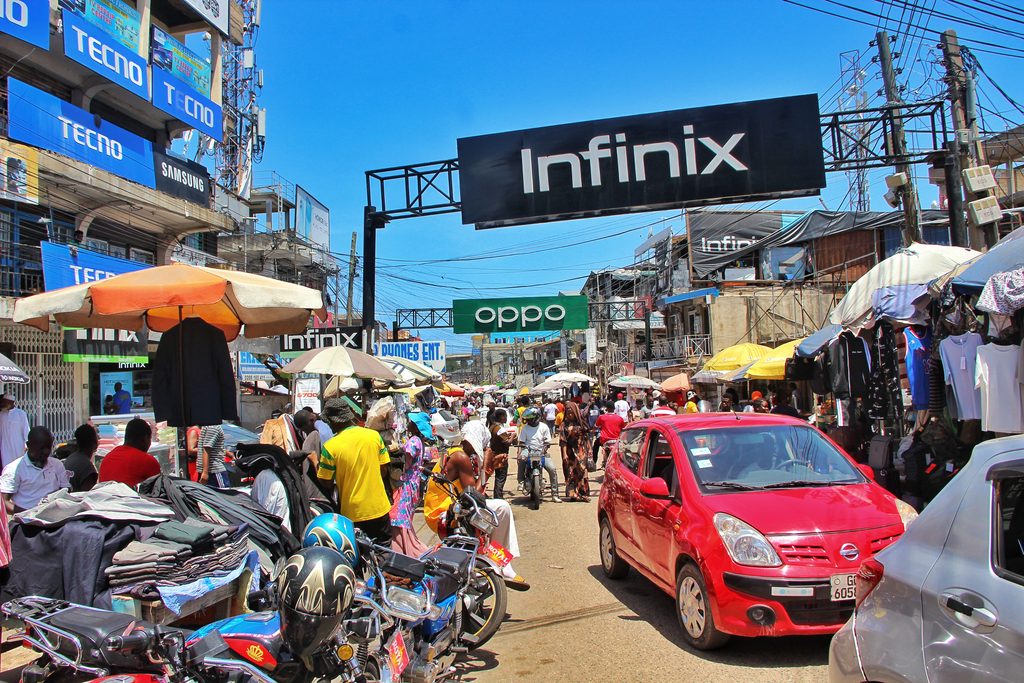
Accra’s Tiptoe Lane has traded photographs, travel documents and now phones, but the latest transformation is turning the once-familiar street behind the Kwame Nkrumah Circle into a crowded marketplace where thousands of people make a living from technology.
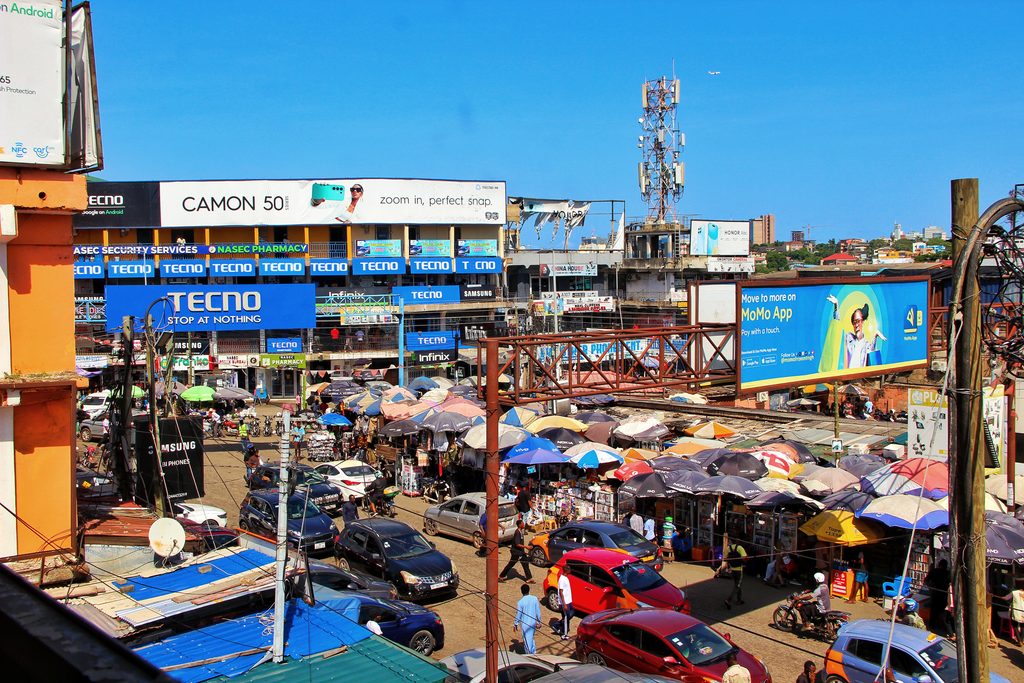
Located in the Ayawaso Central Municipality of the Greater Accra Region, the narrow stretch around the Kwame Nkrumah Circle is now lined with phone dealers, accessory sellers and repair shops, drawing traders, technicians, students and customers from across Ghana.
But it was not always this way.
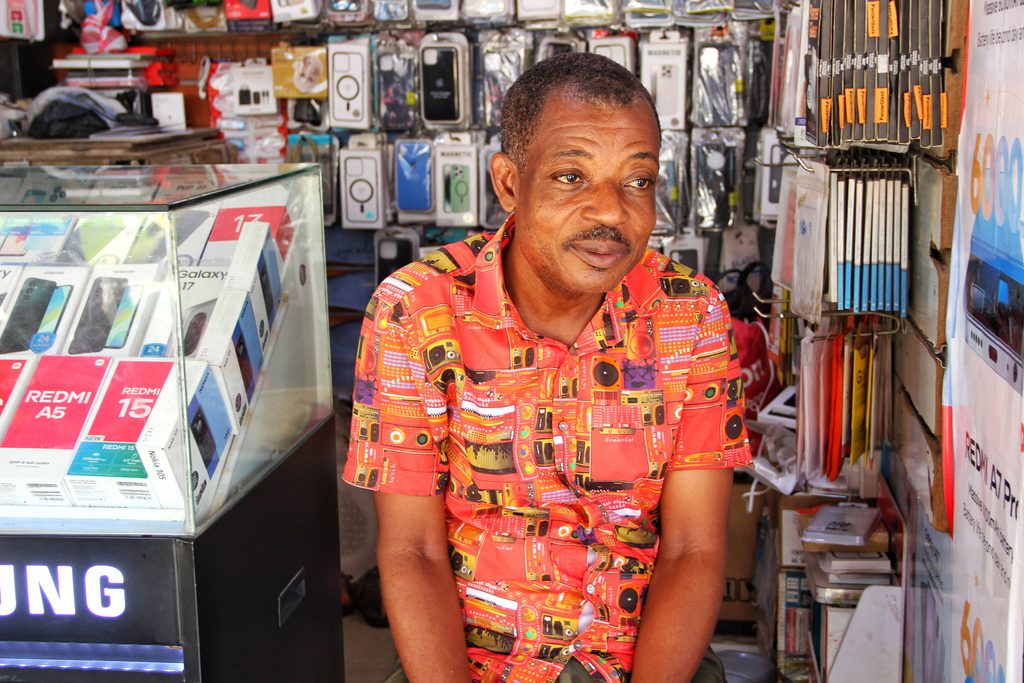
For Paul Kwesi Boateng of Boateng Phones and Accessories, the transformation is something he has lived through for over twenty years.
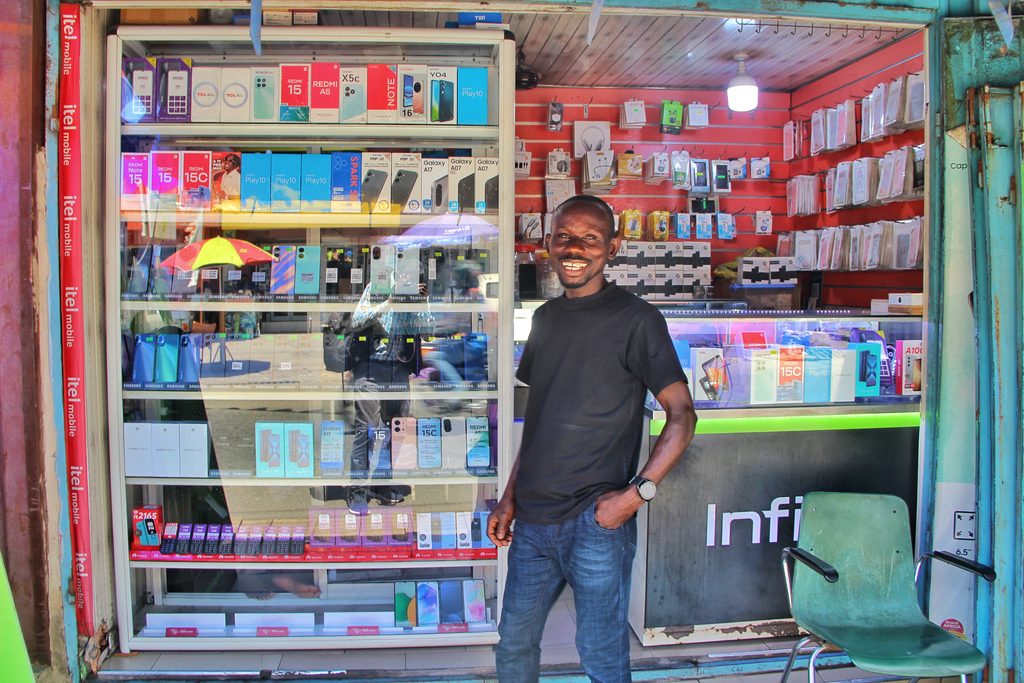
“When I first started selling phones at Tiptoe Lane, people were living in the very space where my shop now stands. As the phone business began to boom, the occupants of this house eventually rented the space to me, and I now pay for the space every year,” he said.
Twenty years later, Boateng remains in the trade, but he says the market he helped build is becoming increasingly difficult for Ghanaian traders as foreign nationals take a larger share of the business.
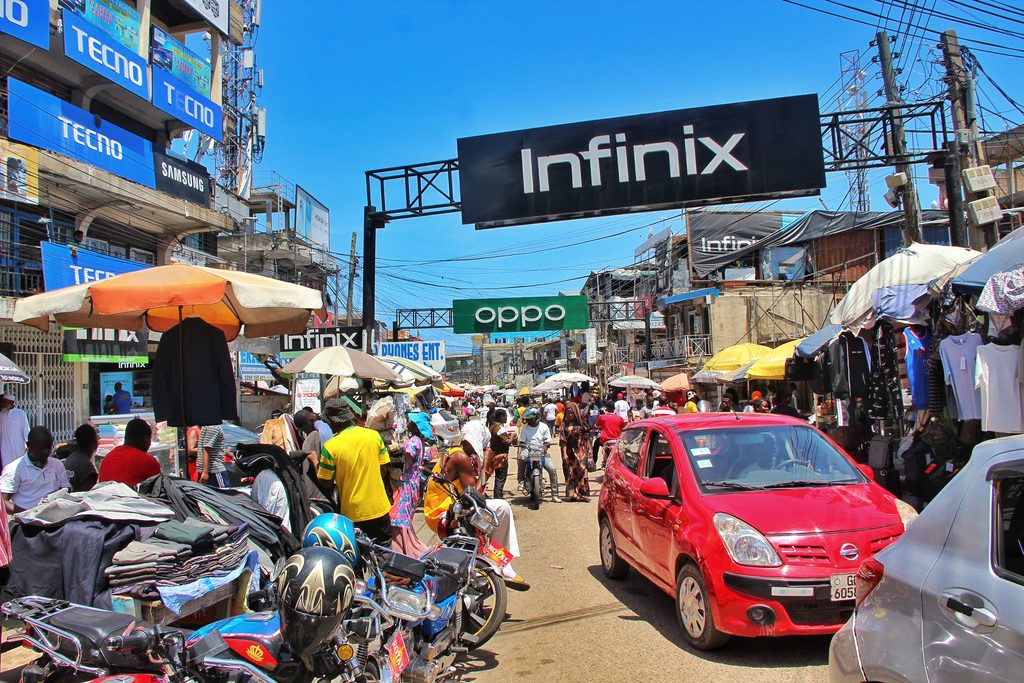
“For every ten shops here, eight are owned by foreigners, creating a major challenge for Ghanaian phone dealers. We welcomed them into the market, but now they are trying to take over businesses from the indigenes.”
His concern points to one of the tensions now shaping Tiptoe Lane: a market that created opportunities for local traders is attracting more competition as its reputation as a phone market grows.
But the story of Tiptoe Lane did not begin with phones.
Less than 300 metres long and stretching off Kwame Nkrumah Avenue, the lane has reinvented itself repeatedly over more than five decades, reflecting the changing aspirations, struggles and hustle of urban Ghana.
In the post-independence years, Tiptoe Lane earned its early fame through photography and nightclub businesses.
Speaking to a long-serving employee of the Modern Photo Company Limited, Acquah revealed that the company has been in existence since 1955.
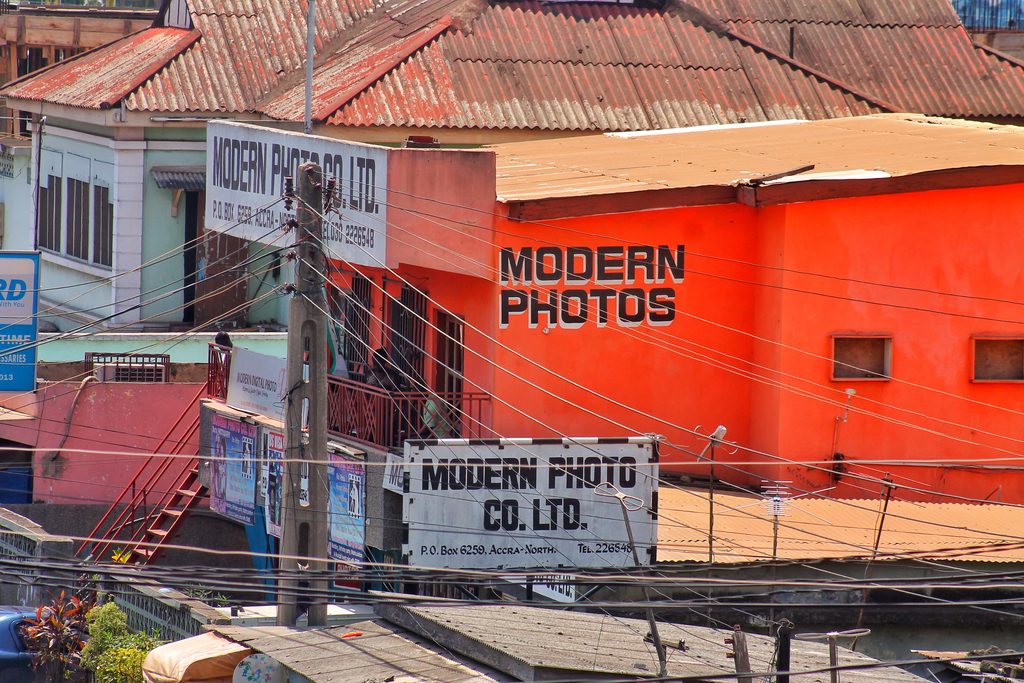
According to Mr Acquah, Modern Photo Company, together with smaller studios, turned the lane into a destination for portraiture. Ghanaians dressed in their Sunday best would carefully “tiptoe” into the studios to avoid dust, keeping their clothes and shoes clean for family portraits, passport photographs and graduation pictures.
The studios processed film and hand-tinted prints, becoming social archives for families and a marker of middle-class life. The lane was also frequented by wedding parties, travelling businessmen needing visa photographs and students documenting important milestones.
By the late 1980s and 1990s, however, the character of Tiptoe Lane began to change.
Mr Acquah further explained that as television spread and demand for traditional photography shifted, the Akan Drama theatre group and other performance troupes became part of the area’s entertainment scene, with the Akan Drama group operating from a nightclub known as Apollo Theatre.
“Actors, scriptwriters and costumers moved through the cramped spaces, while posters for Concert Party shows covered the walls. The lane became part of an informal creative network feeding the National Theatre, GTV and Ghana’s emerging video-film industry,” he added.
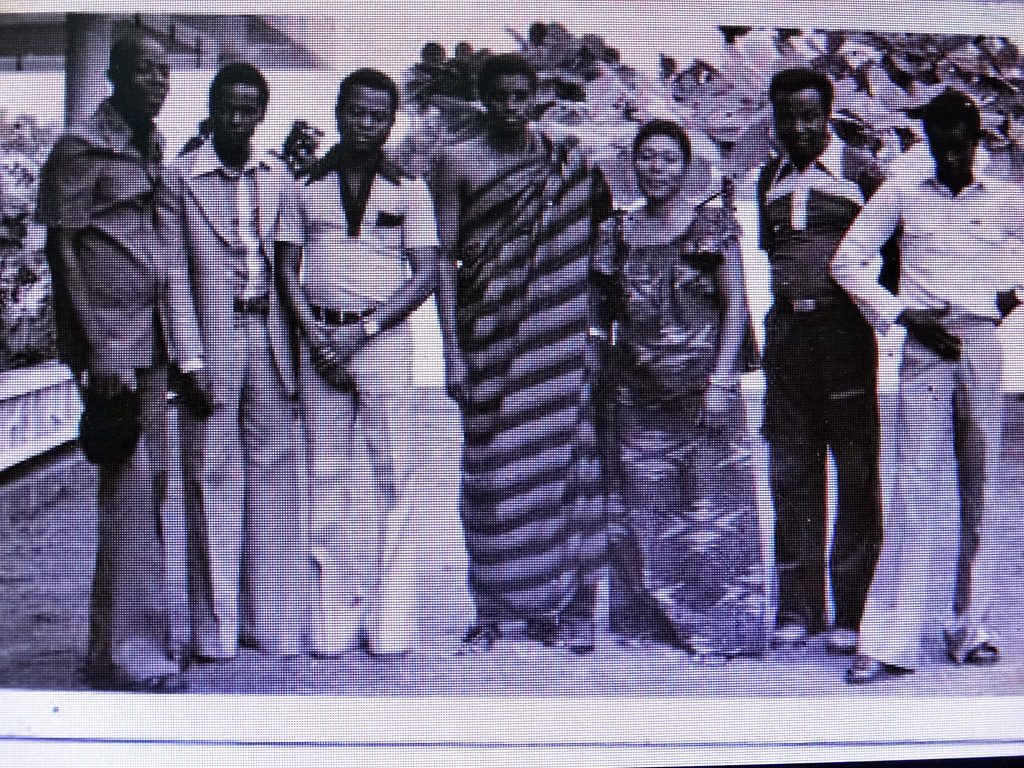
The theatre era was followed by another chapter in the lane’s social life, as nightclubs and nightlife businesses became part of its changing identity, giving the area a different rhythm before another economic transformation took hold.
Among the long-standing businesses that have also shaped Tiptoe Lane’s commercial identity is Fredie’s Corner, which continues to deal in mobile phones, accessories and related products. Odo Rice, another longstanding presence, continues to serve prepared food to traders, workers and customers who spend their day around the busy lane. The defunct Ebony Restaurant was also once part of the businesses that gave the area its character.
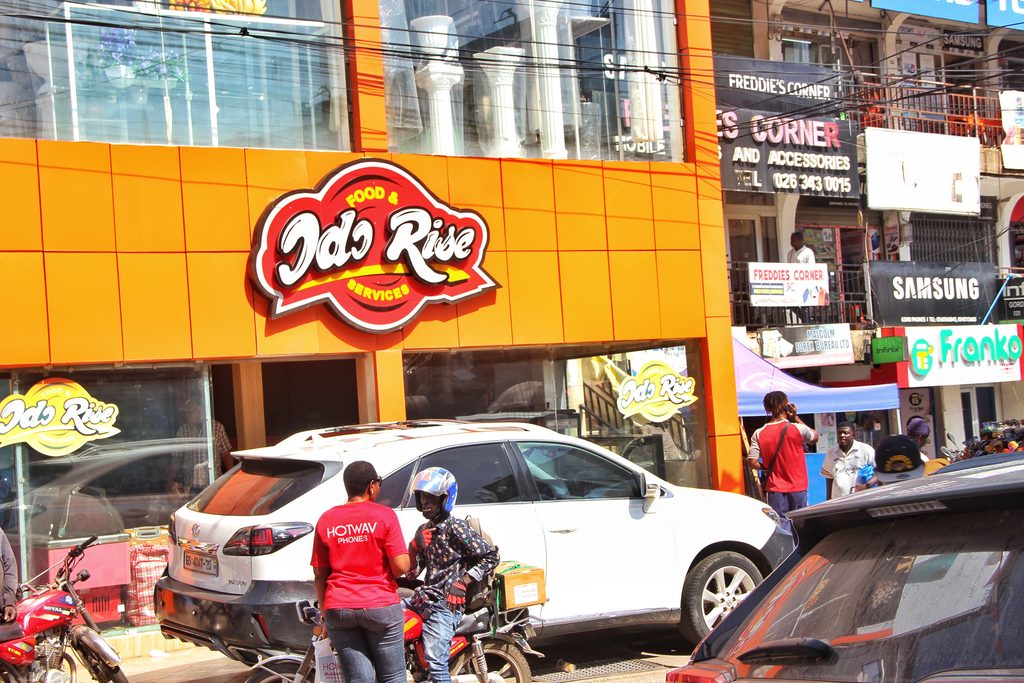
By the late 1990s and early 2000s, Tiptoe Lane had become increasingly associated with the pursuit of opportunities abroad.
Economic hardship, coupled with the fallout from the “Ghana Must Go” period and tighter visa restrictions, saw the area gain notoriety as a hotspot for “connection men” and document facilitators.
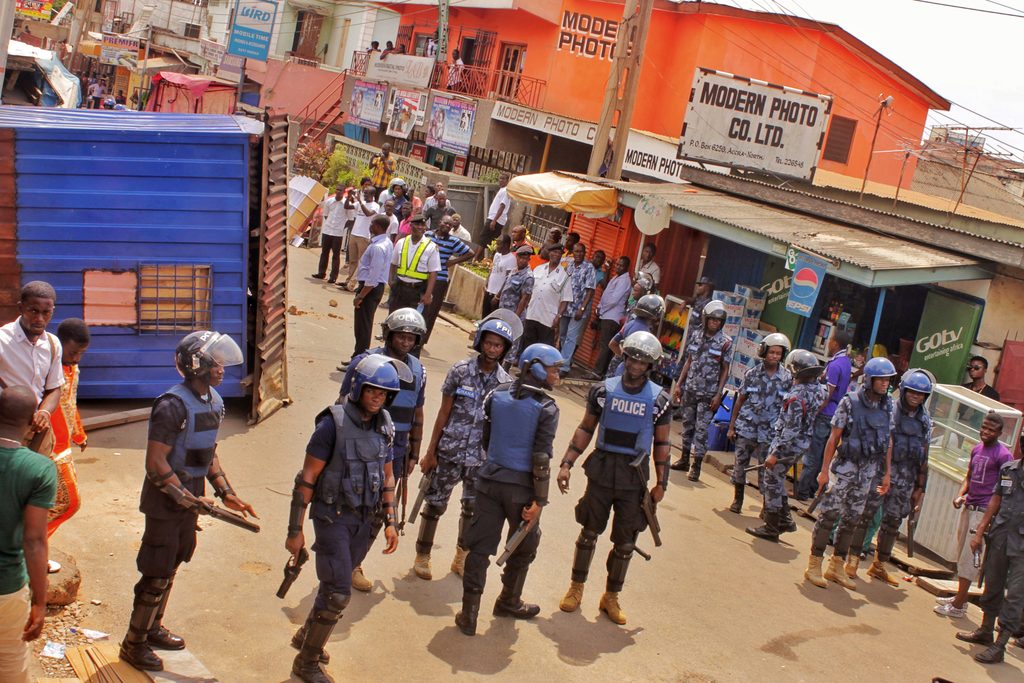
Internet cafés, typing pools and photography studios produced passport photographs, bank statements, invitation letters and visa forms, some legitimate, many not.
It became the lane’s most controversial period. Police raids were common, while the area developed a reputation for hustle, risk and quick adaptation. Yet the digital skills and document literacy developed during that period would later become useful as the lane reinvented itself once again.
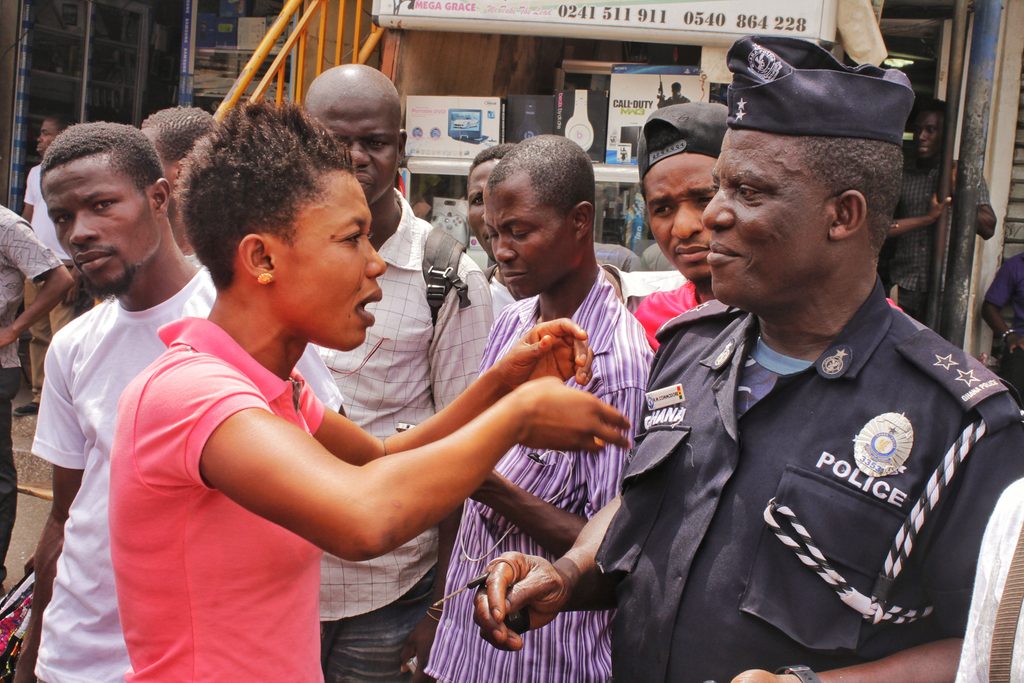
Then came the mobile phone boom.
From around 2005, the Global System for Mobile (GSM) revolution began changing Tiptoe Lane again. As Nokia and Motorola, and later Tecno and Infinix, spread across Ghana, the lane’s small shops increasingly shifted towards mobile phones, chargers, accessories and repairs.
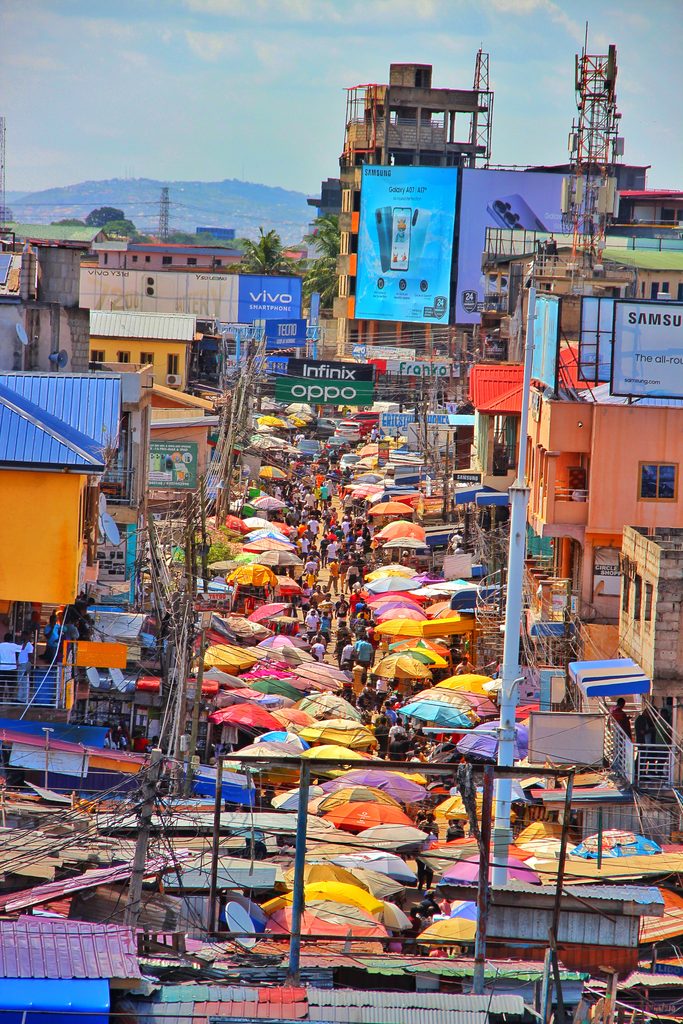
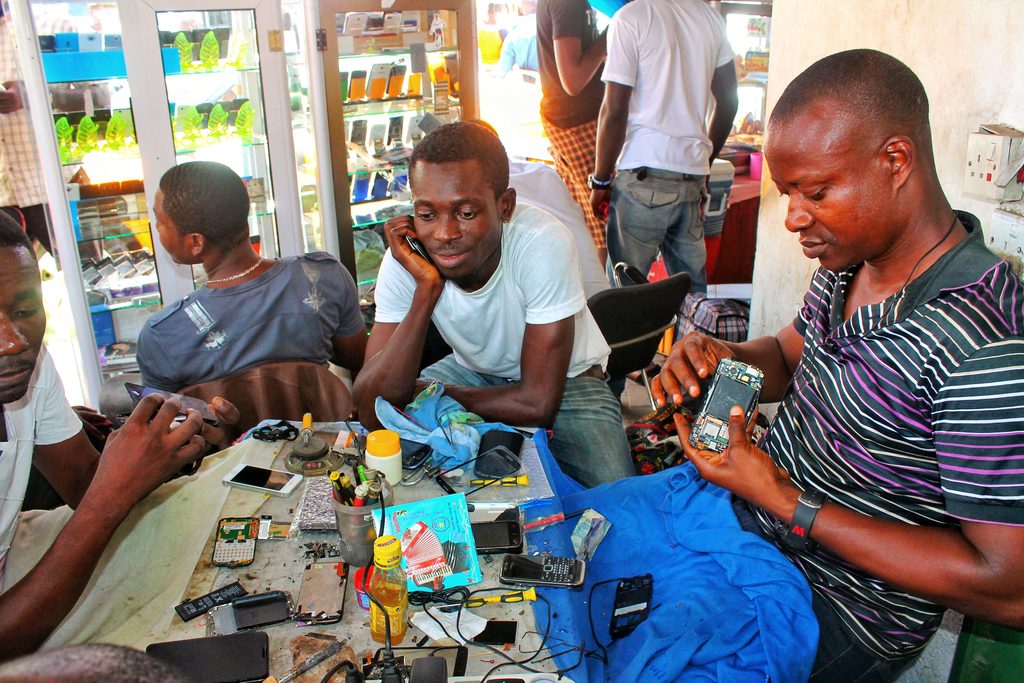
Today, the area is described by experts as one of Accra’s densest mobile technology micro-markets, with new and used smartphones packed into glass cabinets, repairers working in tiny spaces and accessories spilling through the narrow trading environment.
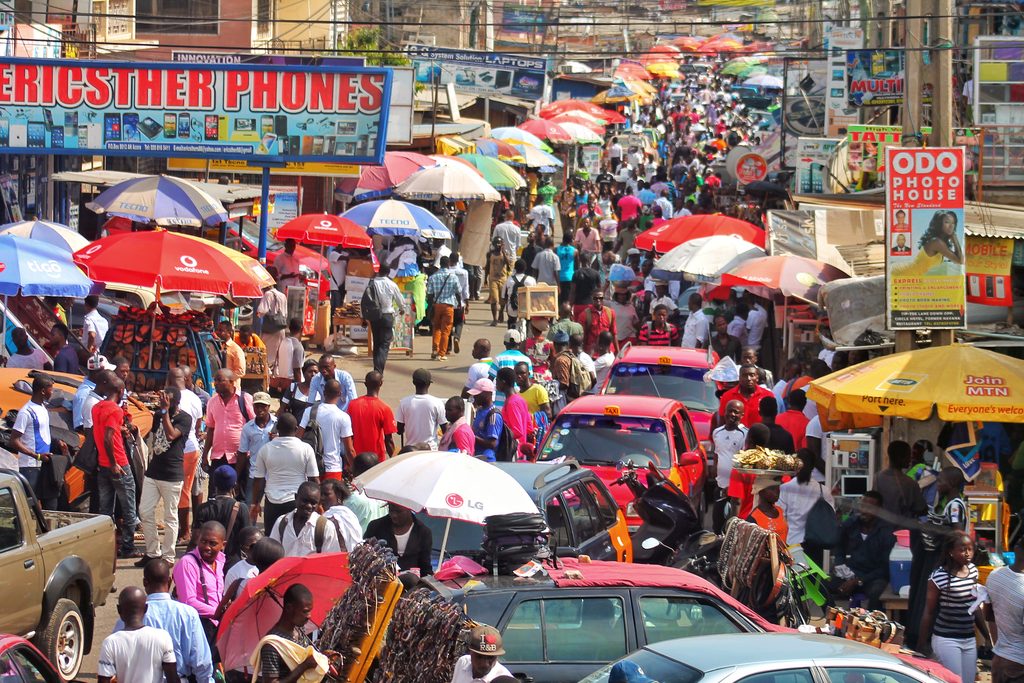
General Secretary of the Mobile Phone and Accessories Dealers Association (MPADA), Eric Asante, says traders eventually realised they had to organise themselves as their numbers increased.
He recalls that phone sellers initially operated along the roads before deciding to gather in one place so customers could easily find them.
That decision helped turn scattered roadside trading into the market that exists today.
The growth also attracted traders from outside Ghana.
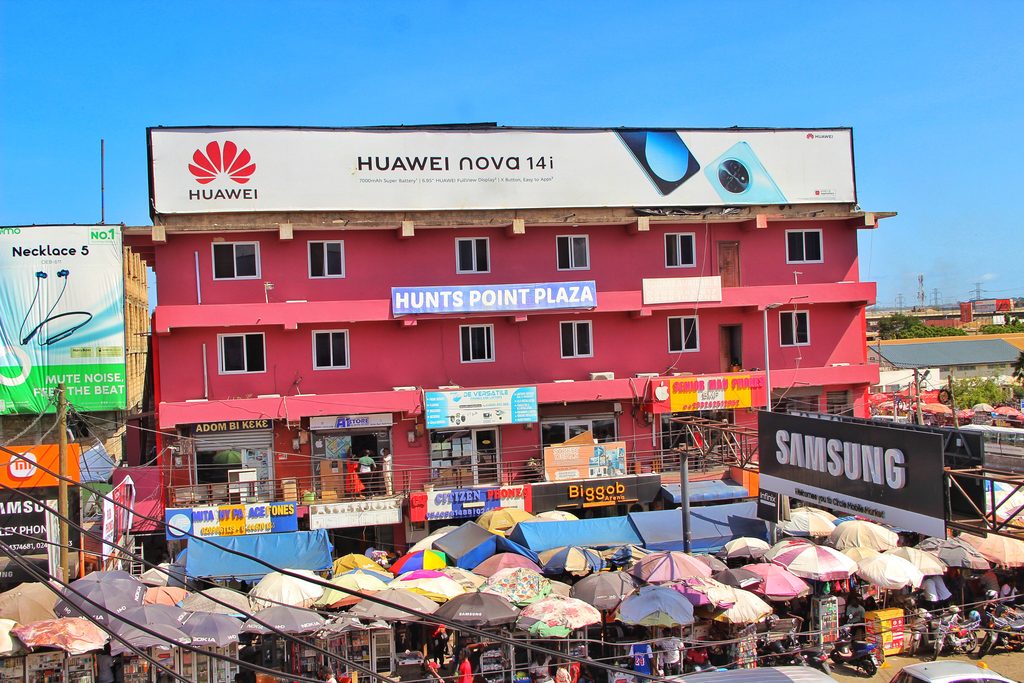
Eric says foreign traders, including Nigerians, eventually joined the market as its commercial opportunities became more obvious.
“For some foreigners, when they come, and they see that they have enough to acquire some shops, then they go, prepare adequately and come back, and also join us, and that’s how we became more. So plenty of the foreigners from other places too invaded.”
For him, the expansion has now become a source of concern.
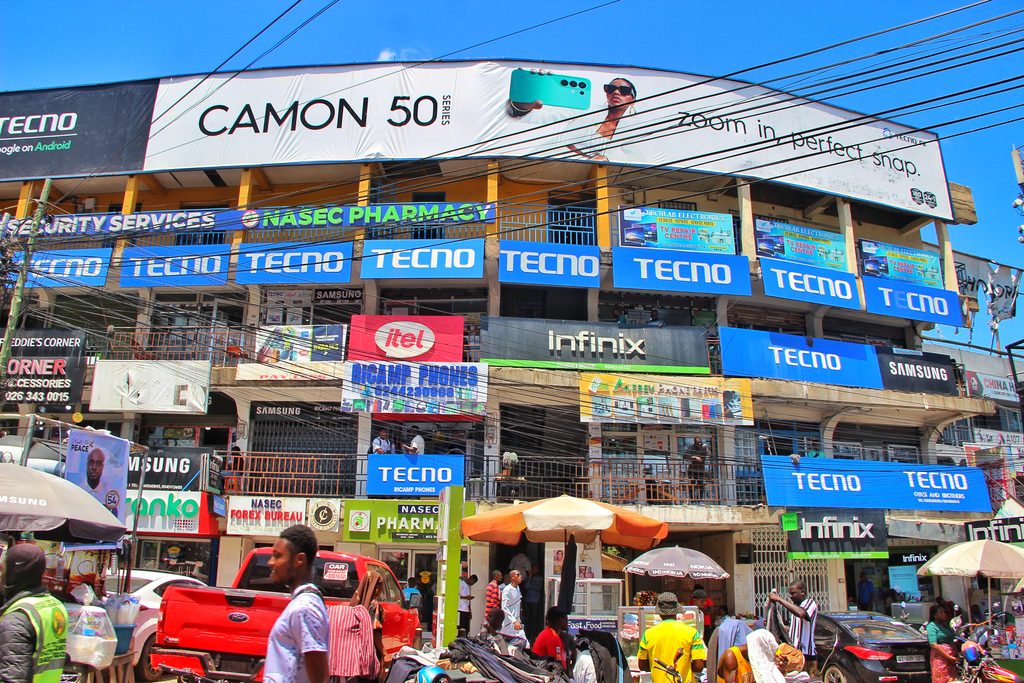
“But now the foreigners are taking the market from us. As executives, we have put measures in place, but it is not going to be easy because they are a lot now. We call on the government to help us regulate how these foreigners operate here, and they should also establish a proper layout for us to help the market become one of the world’s biggest phone hubs”
Director of Communications at Franco Trading Enterprise, Ernest Adu Kumi, has another explanation for why the area became attractive to businesses.
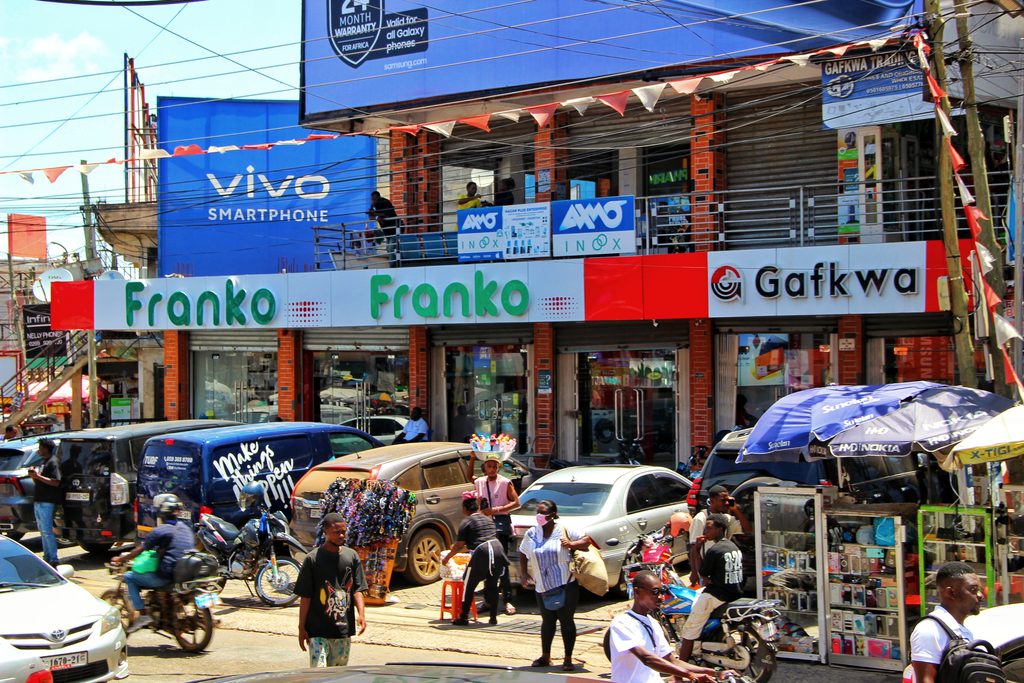
He says the location, close to Circle’s transport links and other businesses, made it commercially attractive.
“The first shop for Franco was established at Adabraka; that is where the headquarters is. So, like any other business, you want to expand it. So that you can serve more people, employ more people, and also make more revenue.”
“And you know, Tiptoe Lane is just close to Circle, and we have transport stations and other companies around, and a telecom company also there. So, it makes it easy; ideally, it makes business sense for you to have something like that.”
But Adu Kumi says the availability of affordable phones was what really accelerated the market’s growth.
“Franco is one of the companies that made the sale of mobile phones attractive. People would go into our shops, buy it at a cheaper cost, then come to the roadside and sell for profit. That was the genesis.”
Once the business began generating returns, he says, others followed.
“And it starts from one. If one starts making a profit, other people see, they have friends, they have relatives, and it’s a lucrative business. So, why don’t we also get ourselves involved?”
“And gradually, gradually, it started growing, and now it’s creating a lot of opportunities for the young ones.”
Those opportunities extend beyond the people directly selling phones. The growth of the market has created demand for retailers, wholesalers, repairers, importers, parts sellers and apprentices, creating different entry points into work, particularly for young people.
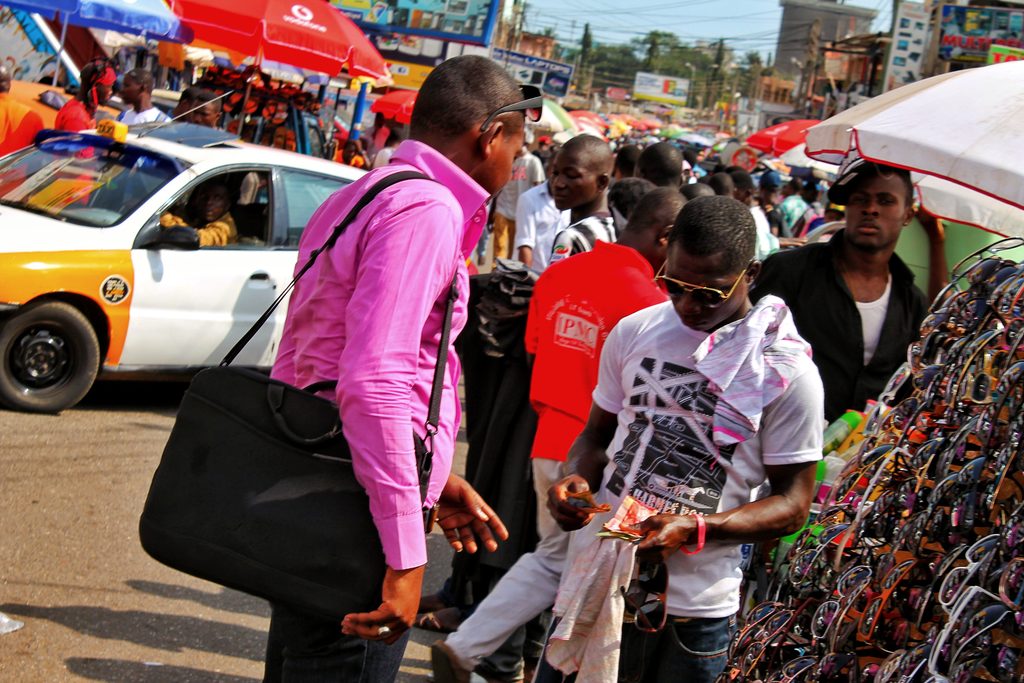
That gradual growth has created more than a phone market. It has produced an informal chain of businesses that depend on one another.
Technology enthusiast and music producer Kobby Spiky Nkrumah describes it as the natural evolution of an informal economy.

“I think just as every other informal market in Africa, it doesn’t start; there’s no plan. You know, it’s everyone just trying to survive.”
Businesses, he says, simply began clustering around the opportunities available.
“People realised that it was a busy hub, and people began to cluster, you know, so one person starts it, another person joins in and then through clustering, it became what it is right now.”
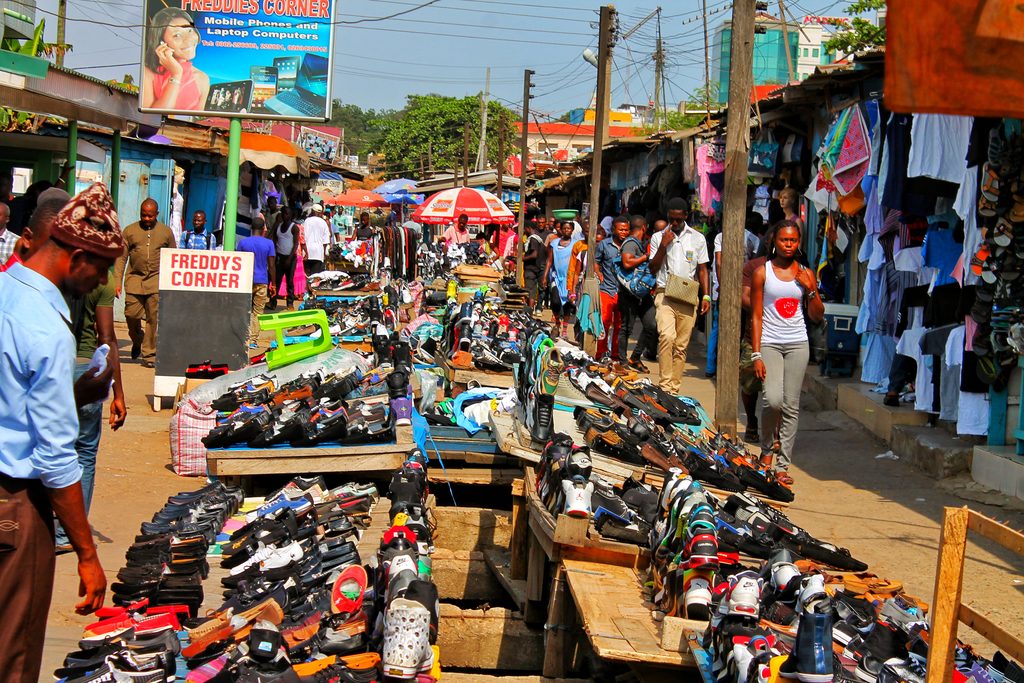
The clustering created its own ecosystem.
“If there are repairers, there’ll be sellers. If there are parts sellers, people selling parts, there’ll be those who are importing their parts. And if some are importing their parts, there’ll be those who are wholesaling. And then if there’s wholesaling, there’ll be retail. And then if there’s retail, there’ll definitely be customers.”
The employment potential is therefore not limited to the shops visible along the lane. As the market expands, the network around it can support more technicians, apprentices, traders, importers, distributors and other service providers.
For Kobby, however, the market’s next challenge is also about making the skills developed there more recognised. He believes certification could improve trust between technicians and customers.
“We need to create sort of like a proper certification model for these technicians, because once the people are good, once they are certified, people trust them. And then you legitimise their hustle in a place like Tiptoe Lane.”
He sees an even bigger opportunity in refurbishing old devices and recycling electronic waste, potentially creating another layer of businesses around phones and computers.
For young people, that ecosystem has become a way into work.
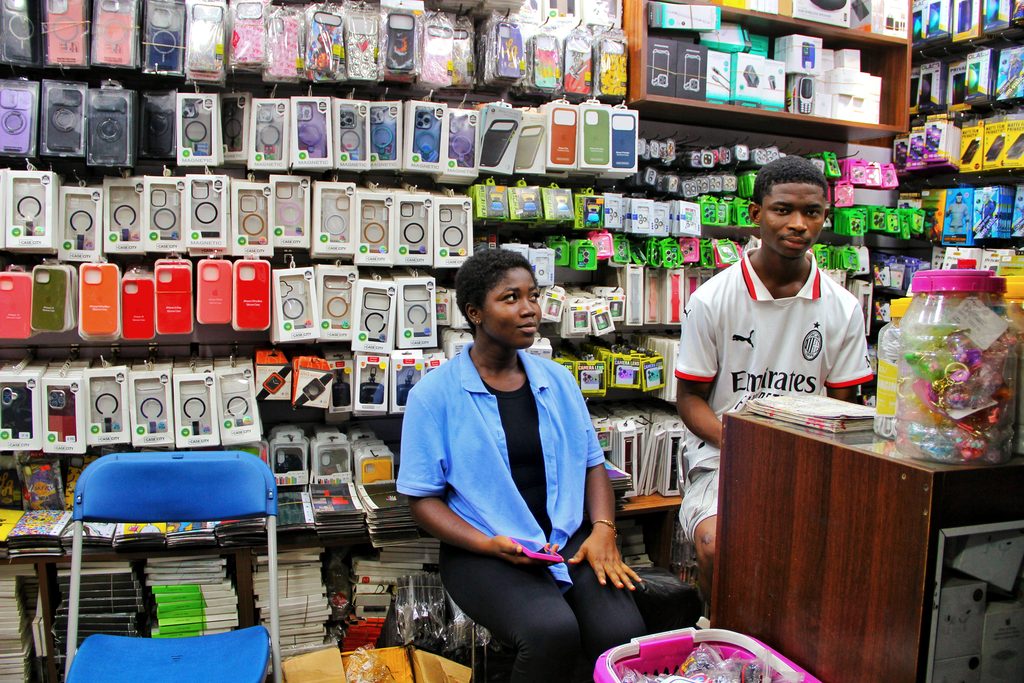
Dennison, a student who entered the business immediately after Senior High School, is now an employee at Stranger Phones, and says he joined the trade to fend for himself before continuing his education.
Several other students spoken to at the market gave similar reasons, saying the work helps them cater for themselves and raise money towards school fees as they prepare to further their education.
For Richmond Hammond, a laptop repairer, the opportunity came through learning a technical skill.
After completing school, he learnt phone and laptop repairs from a master at Tiptoe Lane. He has since completed his apprenticeship and opened his own shop.
But Richmond says the physical environment is becoming a worry.
“My greatest fear and worry are that the market is too enclosed, and I fear what could happen if a fire breaks out. We’re pleading with the government and the Ghana National Fire Service to provide fire extinguishers and find ways to expand or better organise the space for us,” he pleaded.
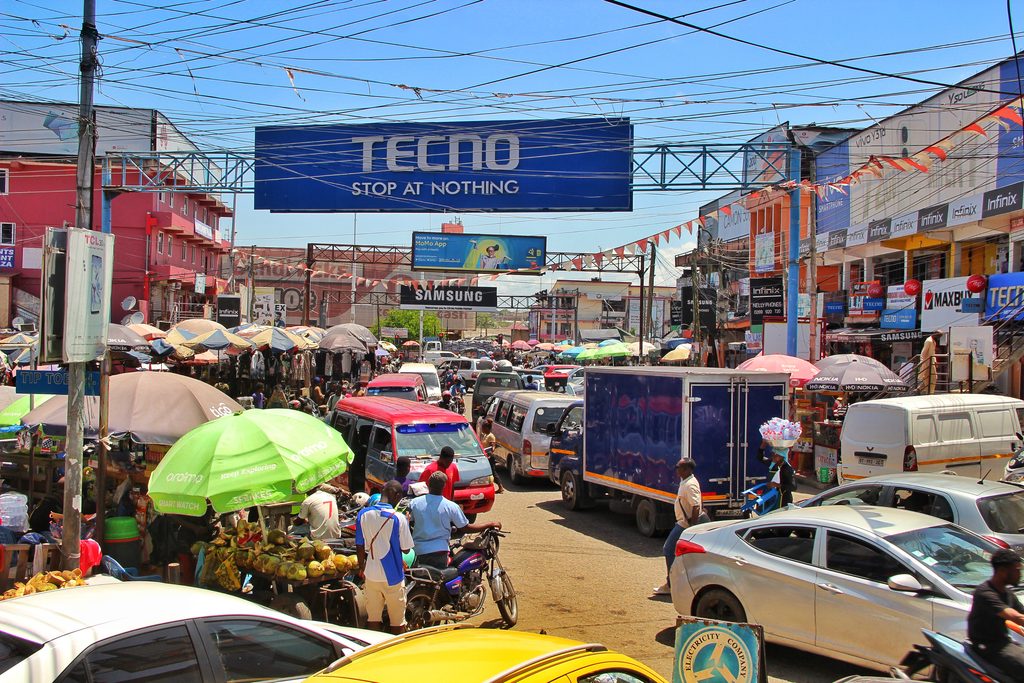
But the growth of Tiptoe Lane is also changing the physical character of the area beyond the shops themselves.
As demand for commercial space rises, some residential facilities are being converted into shops. That creates another question for the future of the market: whether continued commercial expansion will gradually affect residents, increase congestion and change the residential character of the neighbourhood.
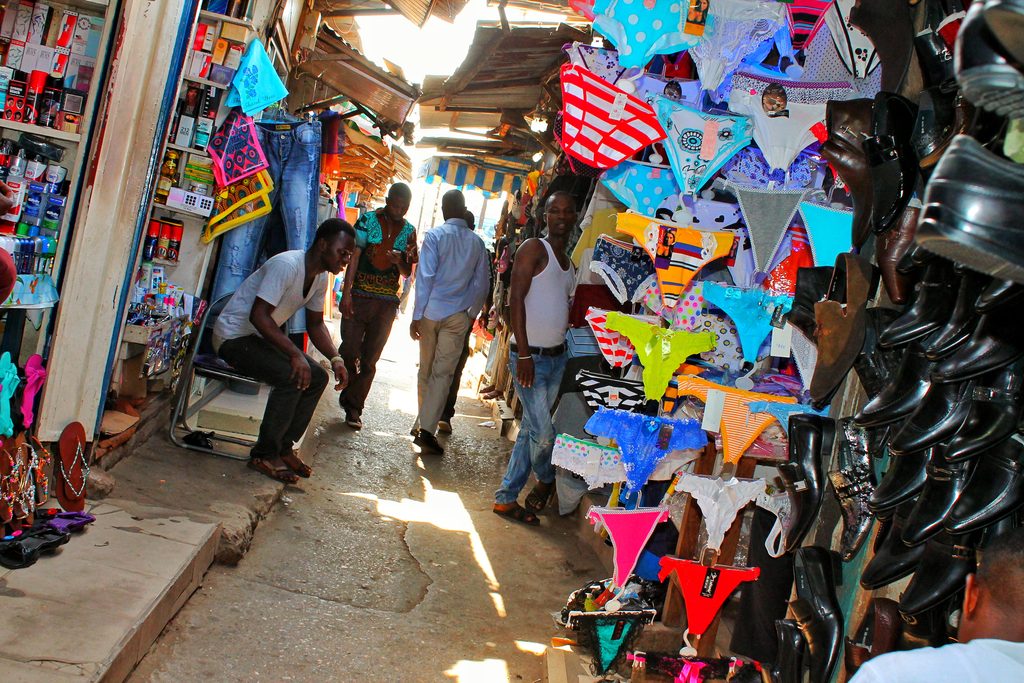
The question is particularly relevant as the area around Circle continues to attract businesses, technology, and retailers.
The question, therefore, is no longer simply how far Tiptoe Lane’s phone trade can grow, but how that growth can be managed without pushing out the people and communities around it.
That is perhaps the clearest measure of how far Tiptoe Lane has travelled.
A street once associated with photography and theatre became a centre for nightlife and travel services before the mobile phone transformed its fortunes again.
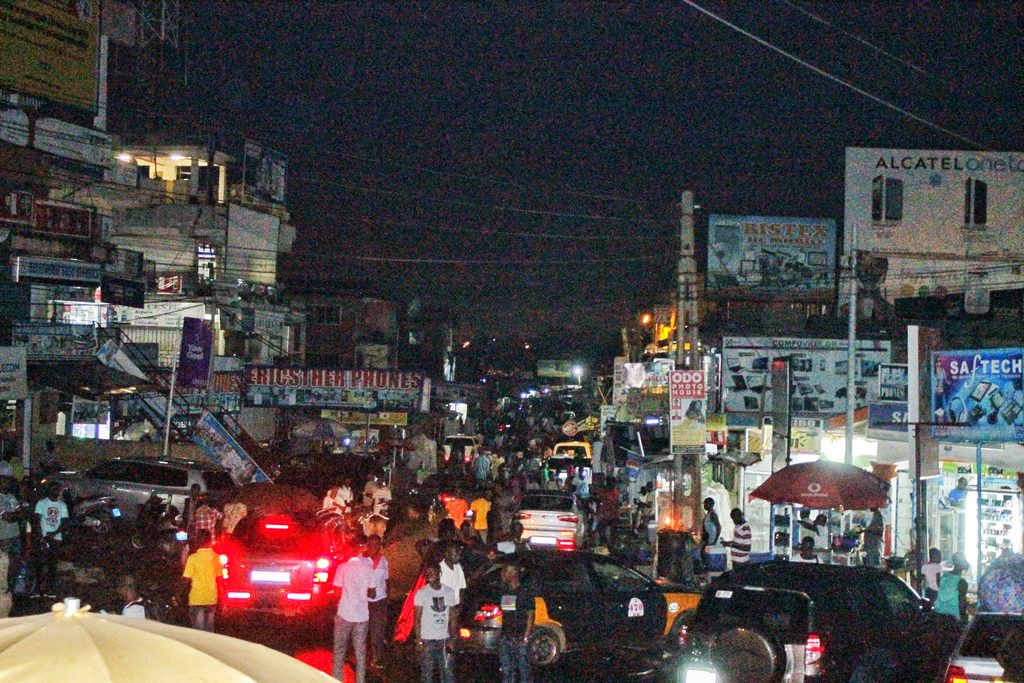
Now, it is a place where a trader has spent more than two decades building a phone business, where students work towards paying their school fees, where apprentices become technicians and where businesses have grown around one another.
But the market now faces a new test.
Local traders want protection from what they describe as growing foreign competition. Repairers want safer and more spacious working conditions. Industry players want certification and greater organisation. Residents may also have to contend with the consequences of a commercial market expanding into spaces that were once homes.
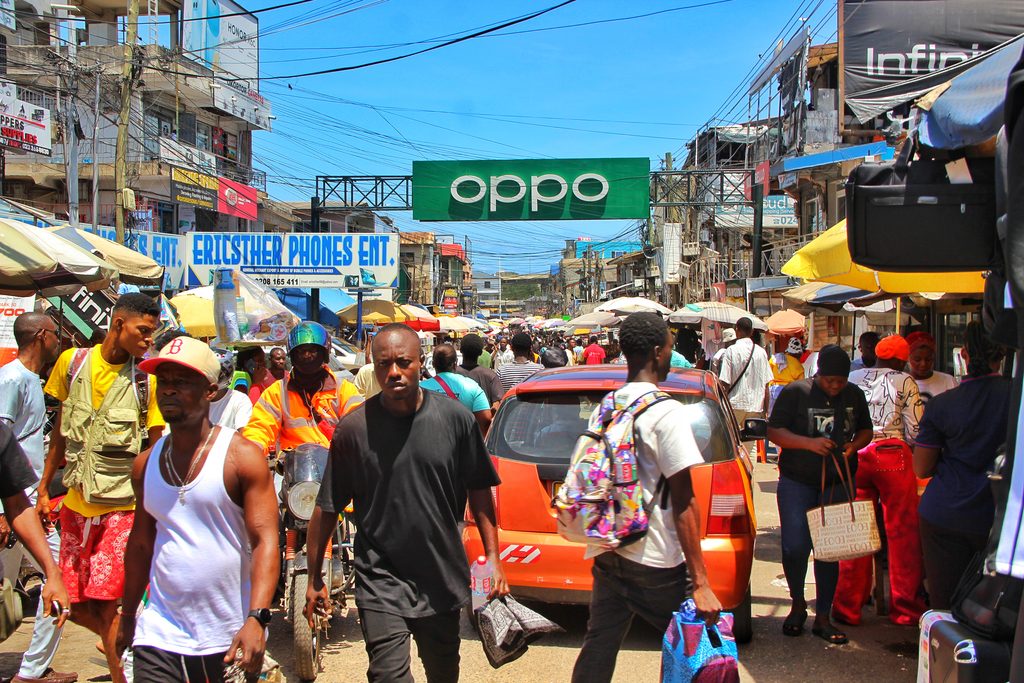
The challenge for authorities will be to provide that structure without suffocating the informal enterprise that created the market in the first place.
Because Tiptoe Lane did not become a tech hub through a grand plan.
It grew through opportunity, one business, one worker and one new chapter at a time.
And, as Kobby Spiky puts it, “one person starts it, another person joins in.”
DISCLAIMER: The Views, Comments, Opinions, Contributions and Statements made by Readers and Contributors on this platform do not necessarily represent the views or policy of Multimedia Group Limited.
DISCLAIMER: The Views, Comments, Opinions, Contributions and Statements made by Readers and Contributors on this platform do not necessarily represent the views or policy of Multimedia Group Limited.
Source link
