


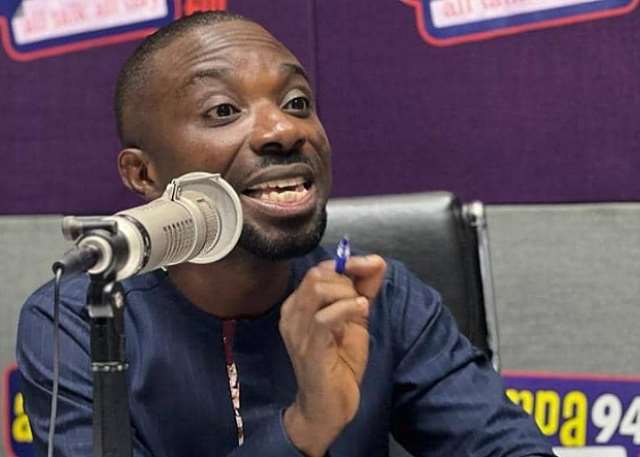
Senior aide to NPP flagbearer Dr Mahamudu Bawumia, Dennis Miracles Aboagye, has challenged the government to demonstrate, through concrete action, that Ghana does not deserve the increasingly used “Cocaine Coast” label.
In a Facebook post shared on Thursday, October 1, 2026, Mr Aboagye directed his remarks at government spokesperson Felix Kwakye Ofosu, insisting that simply rejecting the description would not address the concerns arising from recent major drug trafficking cases linked to Ghana.
“Hon. Felix, you know very well your mouth alone isn’t enough to reject a name earned by action,” he wrote.
His comments followed Mr Kwakye Ofosu’s rejection of the “Cocaine Coast” label, arguing that drug seizures and arrests by Ghanaian security agencies demonstrate that the country’s anti-narcotics institutions are working. The government spokesperson has, however, acknowledged concerns over consignments that evade Ghanaian authorities and are intercepted abroad.
Mr Aboagye argued that the description was not based on cocaine seizures made by Ghanaian authorities but on the scale and frequency of consignments reportedly passing through Ghana before being intercepted in other countries.
“And you also know, the name cocaine coast wasn’t earned based on any busts in Ghana,” he said.
“Ghana is now being named cocaine coast as a result of unprecedented, historic, large quantities of cocaine that passed through our ports right before the eyes of this government and security operatives and then eventually arrested on foreign lands.”
He further alleged that cocaine consignments had been allowed to enter and leave Ghana without being intercepted, claiming that this had happened “not once, not twice but about seven different ones within 20 months”.

His comments come amid heightened scrutiny of Ghana’s ports and security systems following several major narcotics cases. In September, French customs authorities seized nearly 3.9 tonnes of cocaine at the Port of Dunkirk from a container carrying plastic waste that had departed from Ghana. The seizure has become a central point in the debate over Ghana’s alleged role in international drug trafficking.
Other major cases reported in recent months include the seizure of 866 parcels of cocaine at Tema Harbour in August and the interception of more than 5,100 parcels of suspected drugs in the Oti Region in September.
The government has maintained that such cases should not automatically be interpreted as proof that Ghana has become a cocaine trafficking hub. Mr Kwakye Ofosu said authorities must distinguish between consignments intercepted by Ghanaian security agencies and those that escape detection and are subsequently seized abroad.
He also disclosed that President John Mahama had convened security agencies to address weaknesses in the country’s port security arrangements, including concerns about information sharing and coordination among agencies. The President has directed the agencies to strengthen collaboration and make Ghana’s ports more secure against drug trafficking.
Mr Aboagye, however, insists that the government’s response must go beyond public statements.
“We can reject the name by action and not speaking,” he said.
The NPP communicator has previously called for a parliamentary inquiry into the series of cocaine-related cases, describing the matter as a national concern rather than an issue that should be reduced to partisan politics.
DISCLAIMER: The Views, Comments, Opinions, Contributions and Statements made by Readers and Contributors on this platform do not necessarily represent the views or policy of Multimedia Group Limited.
DISCLAIMER: The Views, Comments, Opinions, Contributions and Statements made by Readers and Contributors on this platform do not necessarily represent the views or policy of Multimedia Group Limited.
Source link


