


The National Development Planning Commission (NDPC) is reviewing how research and other forms of evidence are generated, accessed and used to guide national development planning and policy decisions in Ghana.
The Commission has reviewed preliminary findings from a study led by Mettalytics, with the Ghana case study conducted by a team from the University of Cape Coast (UCC).
The findings point to challenges in ensuring that available evidence is effectively integrated into the planning process and influences policy decisions.
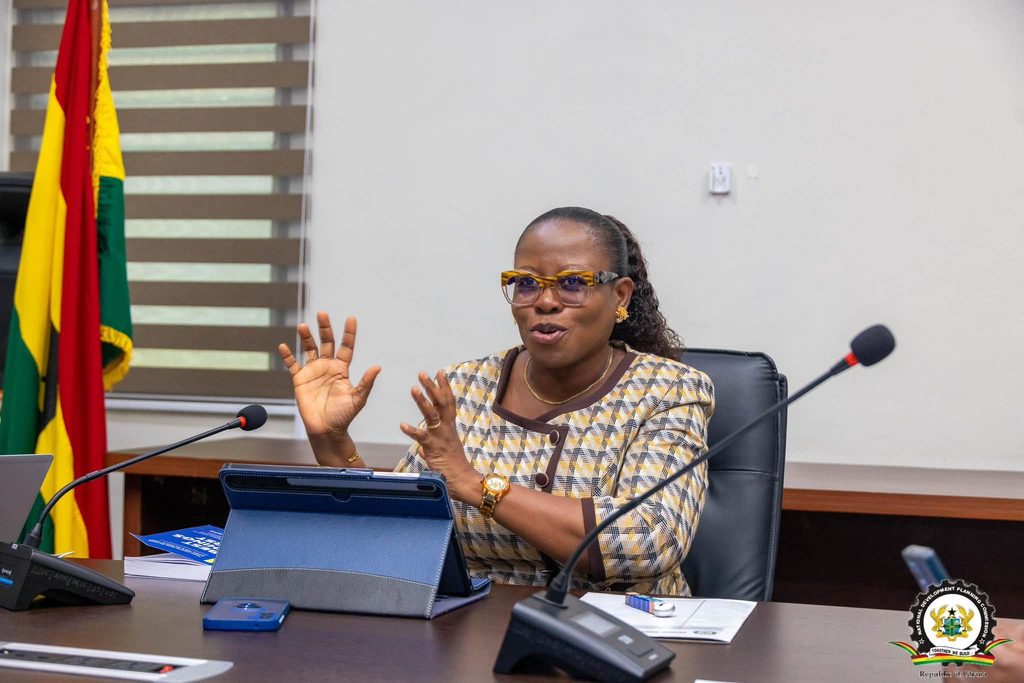
Presenting the findings, Prof. William Cantah of UCC said the main challenge was not necessarily the availability of evidence, but how it moved through the planning process and informed decisions.
He identified institutional arrangements, political priorities, timing, access to decision-makers, relationships, ownership and technical capacity as key factors influencing evidence use.
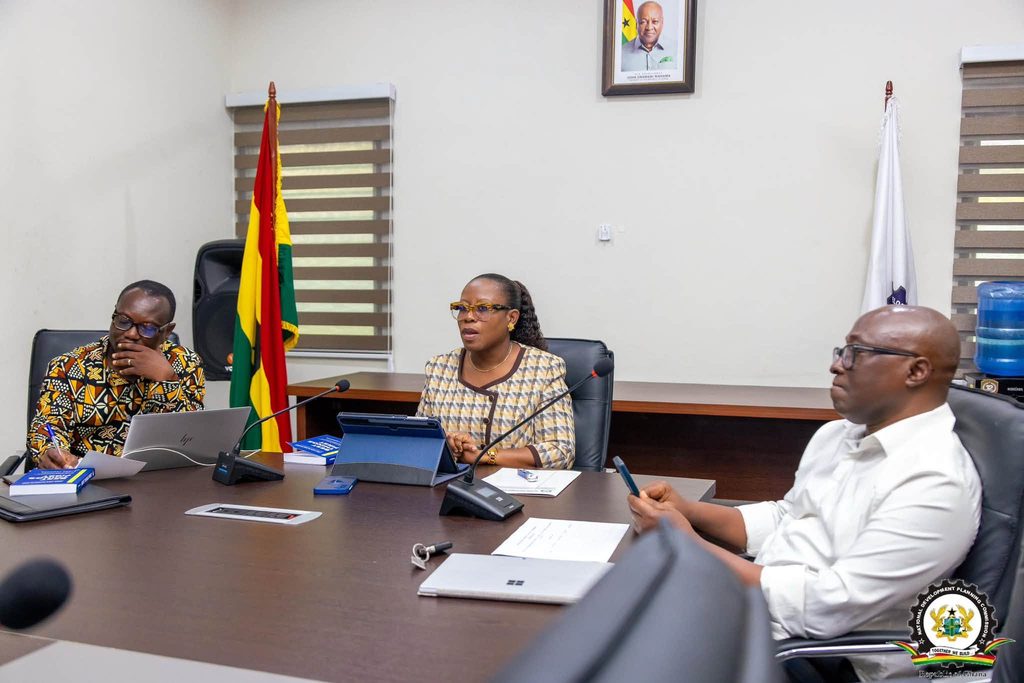
Discussions with NDPC directors and senior officials examined the study’s scope, the sectors and stakeholders covered, and the relationship between political priorities and technical evidence in shaping development policies.
The Director-General of the NDPC, Dr Audrey Smock Amoah, welcomed the presentation and said the Commission would review the full report and provide comments and feedback.
She also stressed the importance of clearly defining the study’s scope to ensure its findings are properly understood and applied to Ghana’s national development planning process.
DISCLAIMER: The Views, Comments, Opinions, Contributions and Statements made by Readers and Contributors on this platform do not necessarily represent the views or policy of Multimedia Group Limited.
DISCLAIMER: The Views, Comments, Opinions, Contributions and Statements made by Readers and Contributors on this platform do not necessarily represent the views or policy of Multimedia Group Limited.
Source link
