


The eagerly anticipated Motorola Razr Ultra, set to redefine the flip phone segment, is mere days away from its official unveiling. Yet, ahead of the grand announcement, a fresh wave of leaks has provided the most comprehensive look yet at this flagship foldable device, revealing its complete design, including a crucial detail about its internal camera system that had previously sparked speculation. These latest images confirm that Motorola is ready to present a polished, if evolutionarily rather than revolutionarily designed, offering to the competitive foldable market.
Renowned leaker Evan Blass, often a reliable source for pre-release device information, recently shared an extensive collection of renders for what is known as the Motorola Razr Ultra (2026) – or the Razr 70 Ultra in international markets. These high-quality images showcase the device in stunning detail, highlighting its striking blue/purple and sophisticated dark wood tone finishes. At first glance, the aesthetic strongly echoes its predecessor, aligning perfectly with earlier whispers that Motorola would opt for subtle refinements over a radical overhaul for its new generation of flip phones. This continuity in design language suggests a strategy focused on perfecting an already popular form factor, building on the success and user familiarity established by previous Razr models.

Unveiling the Camera: Resolving the Under-Display Mystery
While some of these leaked images had made an appearance in prior reports, a significant element was conspicuously absent in those earlier renders: the selfie camera on the inner, main display. This omission fueled considerable speculation within the tech community, with many wondering if Motorola was preparing to integrate groundbreaking under-display camera (UDC) technology into its new foldable. UDC technology, which hides the camera sensor beneath the active display pixels, offers an uninterrupted, full-screen viewing experience, a feature highly sought after in modern smartphone design.
However, this newer, more comprehensive leak from Evan Blass unequivocally puts an end to such conjectures. The latest renders clearly show the presence of a traditional punch-hole cutout for the selfie camera on the internal screen. This confirms that the absence of the camera in previous images was simply an error or an incomplete render, rather than a deliberate hint at an innovative UDC implementation. While some might be disappointed that UDC isn’t making an appearance, the confirmation of a visible selfie camera ensures a reliable and tested solution for video calls and self-portraits, a practical choice for a device positioned for mainstream appeal.
Design Evolution: Familiar Yet Refined
Beyond the camera clarification, the overall design of the Razr Ultra (2026) remains largely consistent with its successful predecessor. The iconic clamshell form factor, which has been a hallmark of the Razr brand since its inception, continues to dominate. The hinge mechanism, critical for the durability and user experience of any foldable, appears familiar, suggesting that Motorola is confident in its existing engineering. This could mean improvements in crease management or overall robustness, even if the outward appearance remains unchanged.
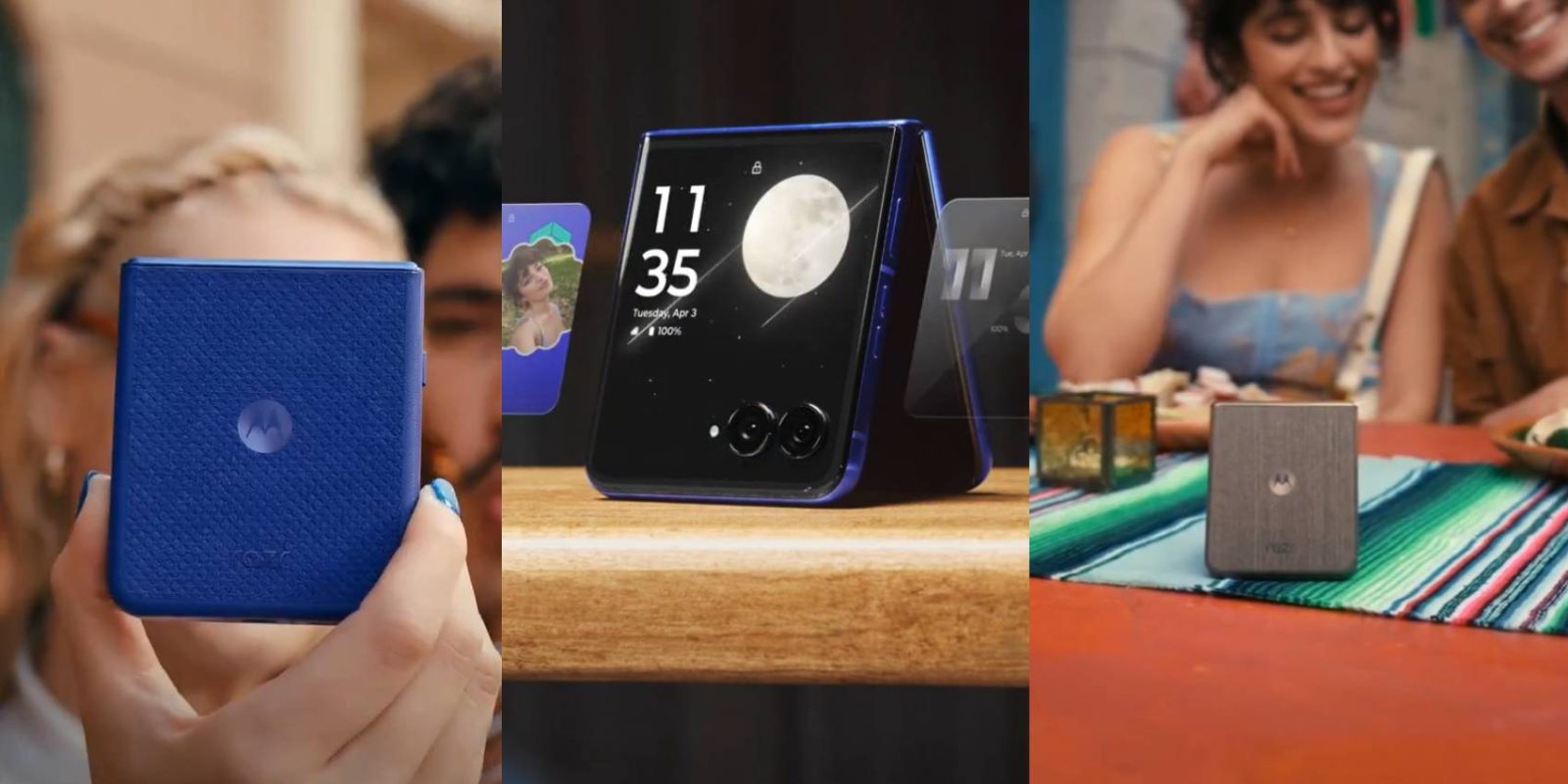
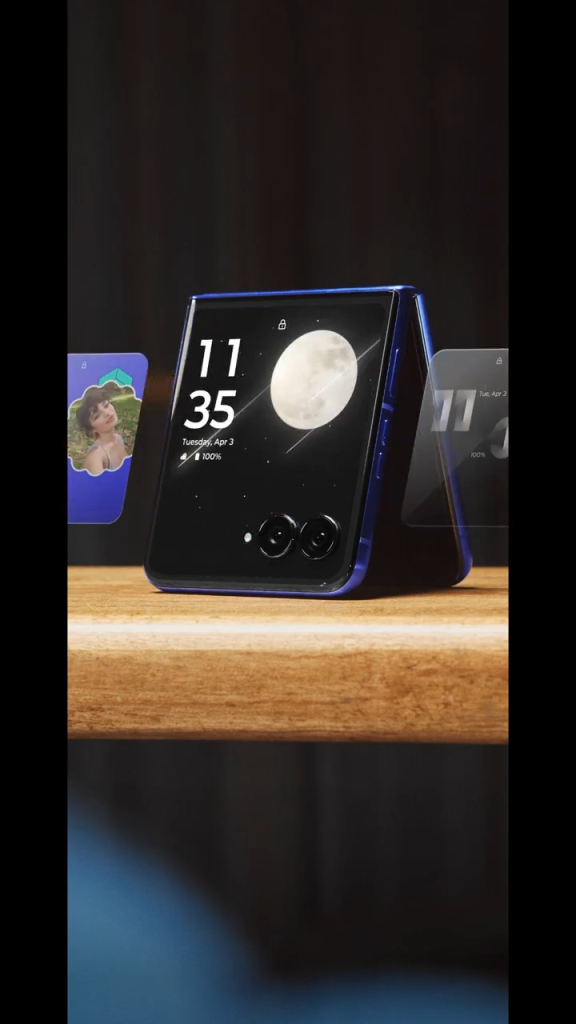
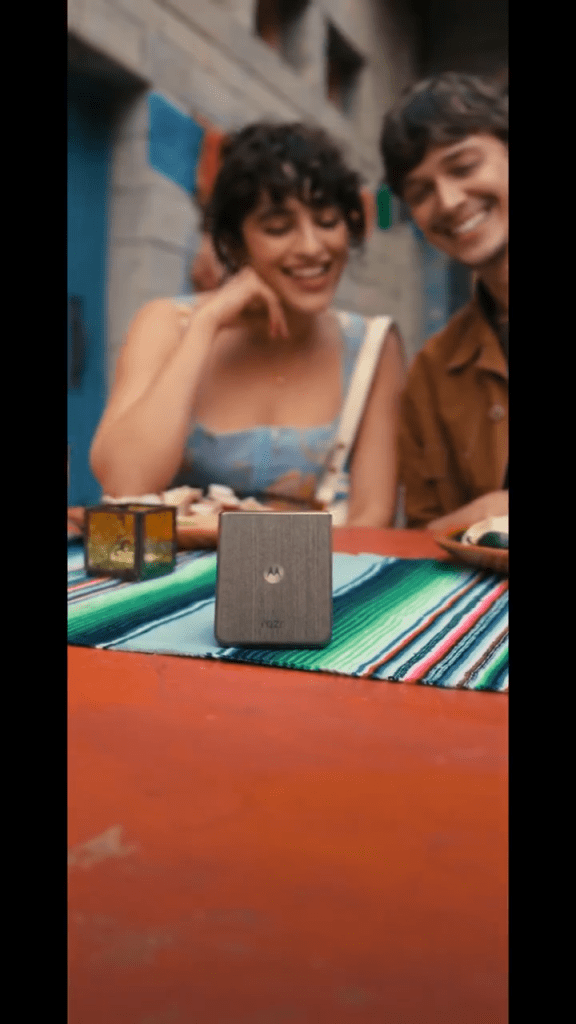
The new colorways – the vibrant blue/purple and the elegant dark wood tone – offer fresh aesthetic choices for consumers. These finishes suggest a premium feel, possibly incorporating materials like vegan leather or frosted glass, which have become increasingly popular in the high-end smartphone market for their tactile appeal and resistance to fingerprints. Such subtle changes in material and color can significantly impact the perceived value and user experience, even when the underlying industrial design remains consistent. A video accompanying these leaks reportedly showcases the same familiar features and interactions, further emphasizing an evolutionary approach rather than a revolutionary one. This suggests a focus on optimizing existing software experiences for the outer and inner displays, ensuring a smooth and intuitive transition between folded and unfolded states.
Key Features and Market Positioning
While the leaks primarily focus on the exterior design, we can infer several aspects about the device’s potential specifications and market strategy:
Displays:
- Outer Display: The Razr Ultra’s signature large outer display (often referred to as the FlexView display) is expected to return, offering extensive functionality without needing to open the phone. This includes checking notifications, responding to messages, controlling media, and even running full applications. Motorola has been at the forefront of maximizing the utility of the cover screen, and we expect further software enhancements to improve this experience.
- Inner Display: The main foldable display will likely feature a high refresh rate (e.g., 120Hz or higher) for smooth scrolling and animations, along with vibrant colors and excellent brightness, crucial for an immersive viewing experience. The punch-hole camera confirms a conventional approach to the selfie shooter.
Performance:
As a “flagship flip phone,” the Razr Ultra (2026) is expected to house a top-tier processor. Given the typical release cycles, it’s highly probable that the device will be powered by Qualcomm’s latest Snapdragon 8 Gen 3 chipset or a slightly older but still immensely powerful Snapdragon 8 Gen 2, depending on Motorola’s strategic positioning and cost considerations. This would ensure buttery-smooth performance for demanding applications, gaming, and multitasking. Accompanying this, we can anticipate generous RAM and storage configurations to match its flagship status.
Battery Life:
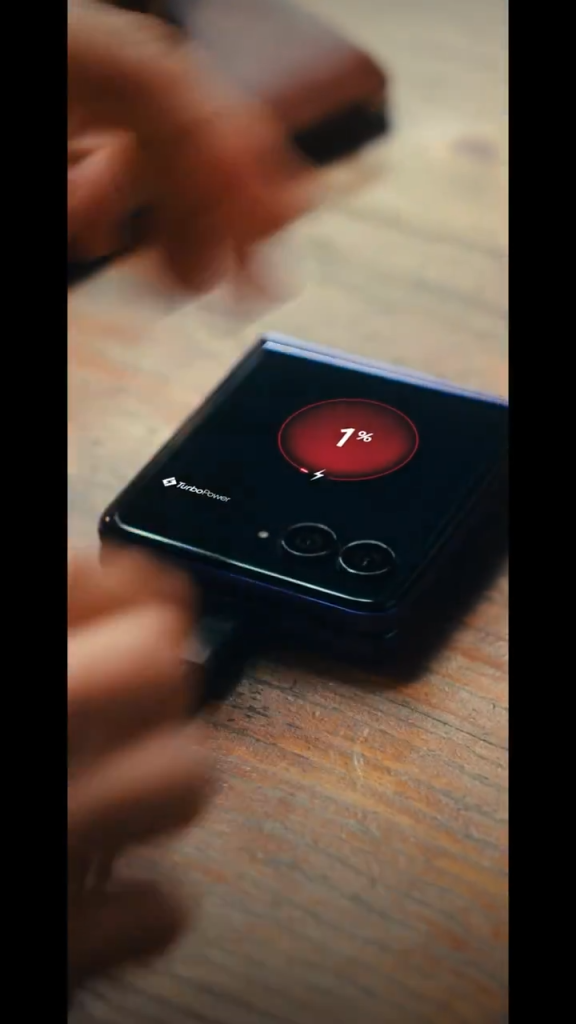
Battery capacity and endurance are perennial concerns for foldable phones. While specific battery sizes aren’t leaked, Motorola is likely aiming for improvements over its predecessor, potentially through more efficient components and software optimization. The balance between a compact, foldable design and a day-long battery life is a critical challenge in this segment.
Camera System (Elaborated):
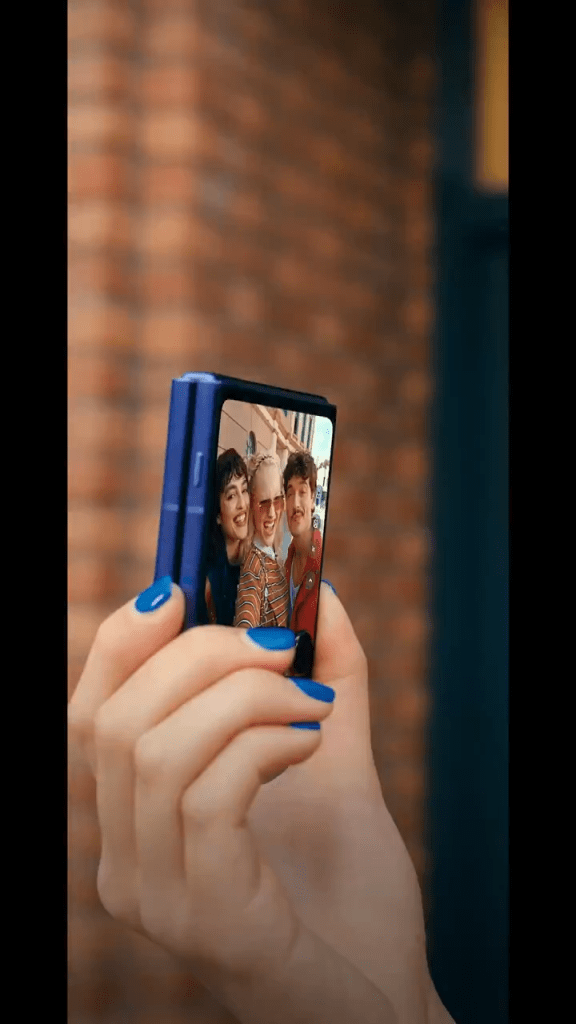
The primary camera system on the outer shell, adjacent to the cover display, is crucial for any flagship device. While details are scarce, we can expect significant upgrades in sensor technology, pixel count (likely a high-megapixel main sensor, perhaps with OIS), and computational photography capabilities. The large cover screen also facilitates using these superior main cameras for high-quality selfies, offering a distinct advantage over traditional phones. The confirmation of the inner selfie camera, while not UDC, still implies a decent sensor for video conferencing and quick self-portraits when the phone is unfolded.
The Broader Motorola Razr Lineup
The leak also serves as a timely reminder of Motorola’s broader strategy for its foldable offerings. The Razr Ultra is poised to lead the pack, likely accompanied by the Razr+ (perhaps a slightly toned-down version or the US branding for Razr Ultra) and a standard Razr model. This multi-tiered approach allows Motorola to cater to different price points and consumer preferences within the foldable market, similar to how traditional smartphone lineups operate. The Razr models generally aim to offer a more accessible entry point into the foldable world, while the Ultra variant targets the premium segment with cutting-edge features and specifications.
Launch Date Imminent
All signs point to a swift launch. The Motorola Razr Ultra, along with its siblings the Razr+ and Razr phones, is officially slated to debut on April 29. This imminent launch underscores the maturity of the device’s development and Motorola’s readiness to bring its latest foldable innovations to consumers worldwide. The anticipation is palpable, as consumers and critics alike are eager to see how these new devices perform in the flesh and how they stack up against an increasingly competitive foldable landscape dominated by players like Samsung, Oppo, and even Google.

What to Expect at Launch
When the Razr Ultra (2026) officially breaks cover, we anticipate Motorola to highlight several key areas:
- Refined Aesthetics: Emphasis on the new colorways and premium materials, aiming for a sophisticated look and feel.
- Enhanced Cover Screen Functionality: Software improvements for the external display, making it even more versatile and intuitive for quick interactions.
- Camera System Improvements: Focus on upgraded sensors, computational photography, and potentially new camera features, leveraging both the main and internal cameras.
- Performance Upgrades: Highlighting the new processor, improved memory, and seamless multitasking capabilities.
- Durability and Hinge Longevity: Assurances regarding the phone’s build quality, particularly the foldable display and hinge mechanism, which are crucial for consumer confidence in foldable devices.
- Software Experience: Detailing the latest version of My UX on top of Android, emphasizing user-friendliness and customization.
More on Motorola:
Motorola has consistently strived to carve out a significant share in the Android market, particularly by offering strong value propositions and unique design elements. The Razr series, in particular, represents their ambition in the premium and innovative foldable segment. The brand’s commitment to delivering a distinct user experience, often with a near-stock Android interface coupled with useful “My UX” enhancements, continues to resonate with a segment of the smartphone market. These new leaks suggest that Motorola is staying true to its design principles while making iterative improvements to its flagship foldable, aiming to provide a compelling alternative to its competitors. The success of the Razr Ultra (2026) will heavily depend on its real-world performance, camera prowess, and, crucially, its pricing strategy in a market where consumers are increasingly looking for both innovation and value.
Follow Ben: Twitter/X, Threads, Bluesky, and Instagram


FTC: We use income earning auto affiliate links. More.

Conclusion
The latest leaks of the Motorola Razr Ultra (2026), or Razr 70 Ultra, provide a comprehensive sneak peek into what Motorola has in store for the flip phone market. With its debut just around the corner on April 29, the renders confirm a familiar yet refined design, complete with attractive new finishes like blue/purple and dark wood tones. Critically, these leaks resolve the ambiguity surrounding the inner selfie camera, confirming a conventional punch-hole design rather than the previously speculated under-display technology. While this might temper expectations for a groundbreaking UDC feature, it ensures a reliable camera experience. The consistent design language, robust hinge, and full complement of cameras suggest Motorola is focused on perfecting the user experience of its already successful foldable form factor. As the launch date approaches, the tech world watches keenly to see how the new Razr Ultra, alongside its Razr+ and Razr siblings, will perform in a competitive market, aiming to capture the hearts of consumers looking for a blend of nostalgia, innovation, and flagship performance in a compact, stylish package.


