


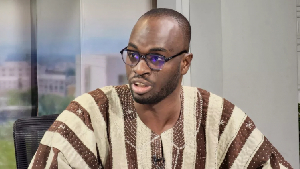

The Member of Parliament for Walewale, Tiah Abdul-Kabiru Mahama, has criticised government’s decision to resume domestic bond issuance, warning that it could signal a return to rapid debt accumulation.
His comments follow a press release issued on Monday March 2, 2026, by the Ministry of Finance (Ghana) announcing the expiration of DDEP-induced restrictions on new domestic bond issuance.
In the statement, the Ministry explained that the three-year restriction was introduced in 2023 after Ghana’s debt default and the subsequent Domestic Debt Exchange Programme (DDEP).
According to the Ministry, the expiration of the restriction will allow government to reduce its reliance on short-term Treasury bills and issue longer-dated domestic bonds instead.
The statement noted that the move comes at a time of low inflation, improved investor confidence and what it described as a stronger macroeconomic environment, supported by a medium-term debt management strategy and financial buffers.
Walewale MP warns of looming ‘resource curse’ amid cocoa farmers’ crisis
It further stressed that since 2025, government has honoured all coupon payments and obligations under the restructured bonds, demonstrating fiscal discipline and commitment to responsible debt management.
The release added that the administration of President John Dramani Mahama remains grateful to Ghanaians for their cooperation during the difficult restructuring period.
Reacting in a social media post on March 2,2026, Dr Mahama argued that government appears “eager to start borrowing with medium to long term instruments in the domestic market.”
He suggested the decision comes at a time when, in his view, revenue performance is weakening and fiscal space created by the DDEP is narrowing as government resumes payments on renegotiated instruments.
“In other words, government is eager to start borrowing with medium to long term instruments in the domestic market.
“It is also coming at a time that government’s revenue is failing, of narrowing fiscal space that was created by the DDEP as government resumes payment of renegotiated instruments in earnest, the haste to finance the overzealous infrastructure and fanciful promises, the obvious inability of government to stay current on compensation commitment evidenced by the inability to pay teachers and nurses, inter alia, “he said.
He added, “One would have thought that the government’s rhetorical policy of cutting spending, will translate into a reduced appetite for borrowing. Nay, they are in a haste to borrow.
“We would soon hear this argument; we are getting the lowest rate and best deals. This is historic. Another setting in debt accumulation.”

AM
Meanwhile, watch GhanaWeb’s exposé on the ‘dark side of Kayamata’ and its devastating impact


