


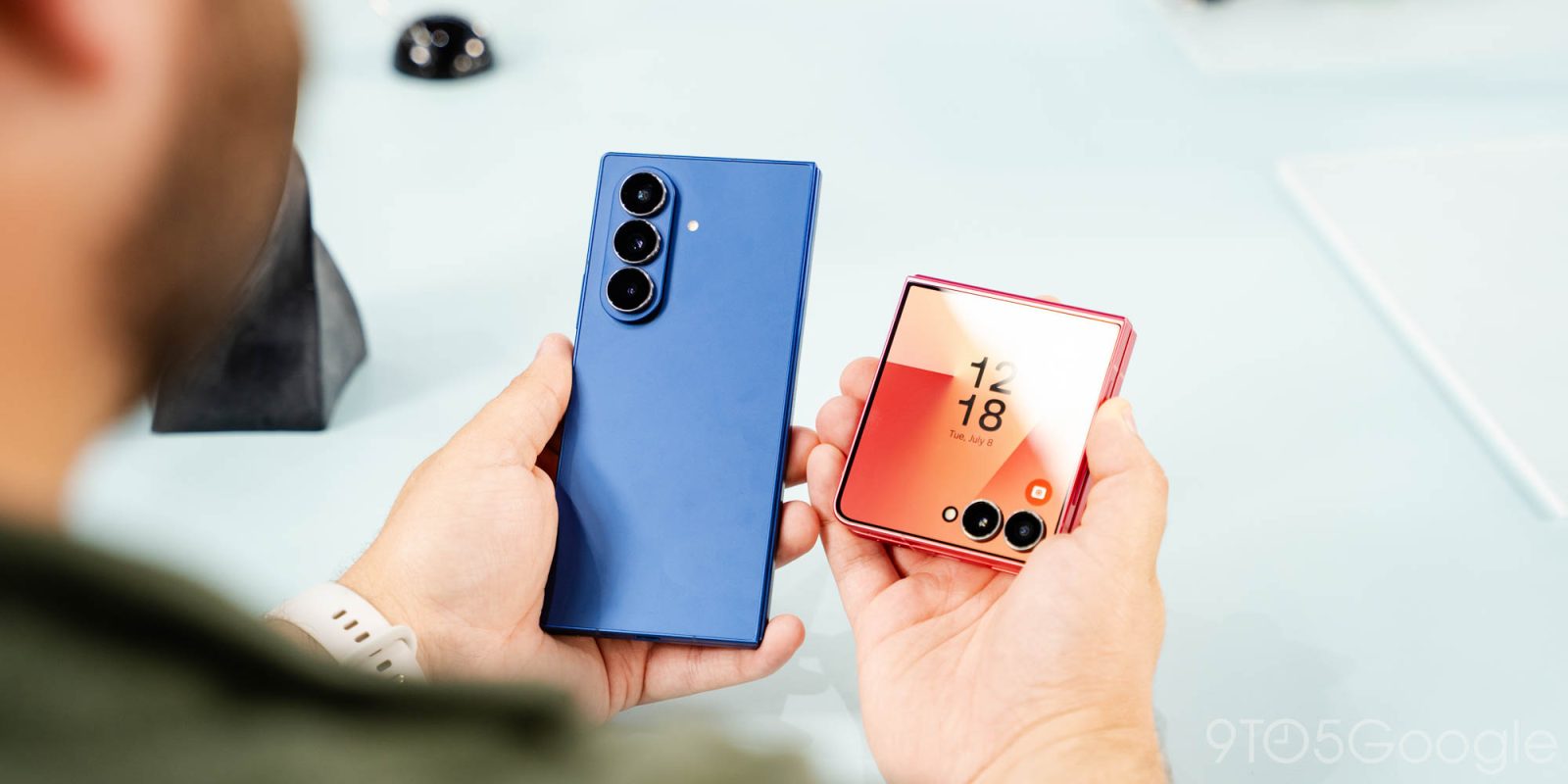
Samsung has recently expanded its ambitious “Re-Newed” program, a dedicated initiative for refurbished Galaxy devices, to include its latest foldable flagships: the Galaxy Z Fold 7 and Galaxy Z Flip 7. While the program aims to offer consumers a more affordable and sustainable way to acquire premium Samsung technology, the current pricing structure for these ‘Re-Newed’ models presents a perplexing anomaly. In an unexpected turn of events, customers seeking these factory-refurbished foldable phones may find themselves paying significantly more than if they were to purchase a brand-new, factory-sealed unit directly from Samsung’s ongoing promotional sales. This peculiar pricing strategy has left many prospective buyers questioning the true value proposition of the “Re-Newed” offering, turning what should be a cost-effective alternative into a less appealing option for high-end foldable enthusiasts.
What is Samsung’s ‘Re-Newed’ Program?
The “Re-Newed” program is Samsung’s official and direct initiative for breathing new life into pre-owned Galaxy devices. This program stands apart from typical third-party refurbishment services by having Samsung itself meticulously restore each device to a near-new condition. The process involves a comprehensive multi-point inspection, thorough cleaning, and the replacement of critical components, most notably a brand-new, genuine Samsung battery. Any other necessary fixes, whether cosmetic or functional, are also addressed using authentic Samsung parts. The ultimate goal is to deliver a device that not only functions flawlessly but also looks and feels like a new product, thereby extending its lifespan and reducing electronic waste. For consumers, this translates into a higher degree of trust and reliability compared to purchasing from uncertified vendors, as the refurbishment is backed directly by the original manufacturer. Samsung has been actively expanding this program, signaling a strategic commitment to sustainability and providing more accessible entry points into its premium device ecosystem. The ‘Re-Newed’ badge is meant to signify a premium refurbished experience, assuring buyers of quality and performance.
Galaxy Z Fold 7 and Flip 7 ‘Re-Newed’ Availability and Color Options
This week marks a significant expansion for the “Re-Newed” program, as it officially commenced sales for the highly coveted Galaxy Z Fold 7 and its compact sibling, the Galaxy Z Flip 7. The inclusion of these advanced foldable smartphones demonstrates Samsung’s commitment to making its cutting-edge technology more accessible to a broader market segment. For those interested in the larger, productivity-focused Galaxy Z Fold 7, the ‘Re-Newed’ options are available in several sophisticated colorways, including elegant silver, deep blue, and the timeless black, offering a respectable range for discerning users. Conversely, the more style-centric Galaxy Z Flip 7 is currently offered in a singular, refreshing “Mint” color option within the ‘Re-Newed’ collection. While the limited color choice for the Flip 7 might be a minor consideration for some, the availability of these premium foldables through an official refurbishment channel is a notable development. However, as we delve into the pricing details, it becomes clear that availability alone does not always guarantee the best financial decision for consumers.
Unraveling the ‘Re-Newed’ Pricing Structure: Initial Discounts vs. Market Reality
At first glance, the pricing for the ‘Re-Newed’ Galaxy Z Fold 7 and Z Flip 7 appears to offer a compelling discount when compared to their original launch retail prices. For the refurbished Galaxy Z Fold 7, prices range from $1,699 for the 256GB model up to $1,879 for the 1TB variant. These figures represent a seemingly attractive reduction, with discounts ranging from $300 to an impressive $620 off the initial recommended retail price, depending on the storage configuration. Similarly, the ‘Re-Newed’ Galaxy Z Flip 7 starts at $939 for the 256GB model, showcasing a considerable markdown from its original $1,099.99 retail tag. The following table provides a clear breakdown of these ‘Re-Newed’ prices alongside their respective original retail values:
| Retail Price | ‘Re-Newed’ Price | |
| Galaxy Z Fold 7 (256GB) | $1,999.99 | $1,699.00 |
| Galaxy Z Fold 7 (512GB) | $2,199.99 | $1,749.00 |
| Galaxy Z Fold 7 (1TB) | $2,499.99 | $1,879.00 |
| Galaxy Z Flip 7 (256GB) | $1,099.99 | $939.00 |
| Galaxy Z Flip 7 (512GB) | $1,299.99 | $989.00 |
However, it is paramount for consumers to recognize that these stated “discounts” are benchmarked against the phones’ *initial retail prices*. In the fast-paced and highly competitive smartphone market, particularly for devices that have been on the market for some time, the actual selling price often deviates significantly from the original MSRP. It is this discrepancy between the ‘Re-Newed’ pricing and the *current promotional pricing* for brand-new devices that reveals the program’s present flaw.
The Paradoxical Pricing: Why ‘Re-Newed’ Currently Costs More Than New
The core dilemma that undermines the current value proposition of Samsung’s ‘Re-Newed’ Z Fold 7 and Flip 7 is a direct consequence of Samsung’s own aggressive and ongoing promotional sales for its brand-new foldable devices. In an ironic twist, Samsung itself is offering its latest foldables at such steep discounts that purchasing a factory-sealed, brand-new unit can be significantly more economical than opting for a ‘Re-Newed’ version. This pricing paradox creates a confusing and unfavorable situation for consumers actively seeking the best deal.
Consider the base model Galaxy Z Fold 7 with 256GB of storage. While the ‘Re-Newed’ version is priced at $1,699, a brand-new unit is currently available directly from Samsung for just $1,599. This means a customer would pay $100 *less* for a pristine, untouched device straight from the factory, complete with its full, standard manufacturer’s warranty, compared to a refurbished one. The typical expectation for a refurbished product is a substantial cost saving, but in this instance, that expectation is completely inverted. Buyers are effectively asked to pay a premium for a device that has been previously owned and then restored, even if meticulously so, when a new equivalent is cheaper.
The situation is equally perplexing for the Galaxy Z Flip 7. The ‘Re-Newed’ version of the Flip 7 begins at $939. Yet, a brand-new Galaxy Z Flip 7 is presently on sale for an even lower price of $899. This $40 difference, again favoring the new device, makes the ‘Re-Newed’ option a less appealing choice. This consistent pricing anomaly across various storage configurations and models indicates a significant misalignment between the ‘Re-Newed’ pricing structure and Samsung’s dynamic, market-driven sales strategies for new devices. For consumers, it begs the fundamental question: why would one choose a refurbished product, no matter how high the quality of refurbishment, when a brand-new item is available at a lower price point?
Implications for Consumer Trust and Value Proposition
This paradoxical pricing strategy carries several critical implications. Firstly, it risks eroding consumer trust in the ‘Re-Newed’ program itself. The primary motivation for purchasing refurbished electronics is almost always cost savings. When this core benefit is not only absent but reversed, it can lead to consumer skepticism regarding the program’s overall value and transparency. Secondly, it underscores the critical importance of diligent comparison shopping in the modern tech market. Consumers can no longer assume that a “refurbished” label automatically equates to a “better deal,” especially with high-value, frequently promoted items like foldable smartphones. Thirdly, it raises


