


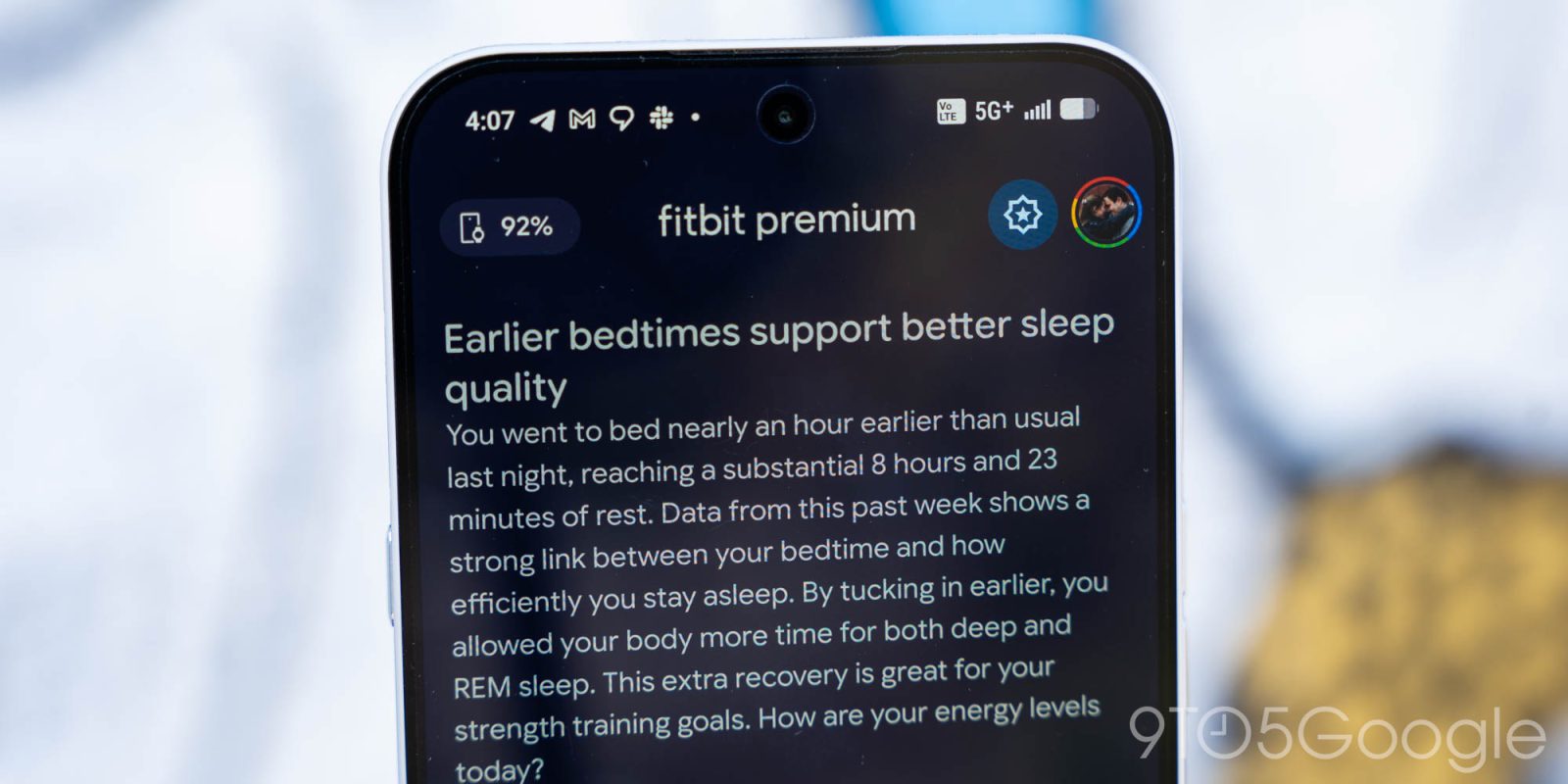
Fitbit, a pioneer in wearable technology and health tracking, is rolling out a significant overhaul to its popular Sleep Score feature, currently available to its Public Preview users. This redesigned experience promises a more transparent, holistic, and, critically, actionable approach to understanding and improving sleep health. Moving beyond mere data presentation, the update aims to provide users with a “higher-definition view of their rest,” translating complex sleep patterns into practical insights. This strategic enhancement underscores Fitbit’s commitment to empowering users with the knowledge and tools needed to cultivate healthier sleep habits, recognizing sleep as a cornerstone of overall well-being.
The core philosophy behind this redesign is to transition from simply recording sleep metrics to truly interpreting them. By capturing a more detailed and complete picture of a user’s night, the new Sleep Score offers a more accurate reflection of individual sleep patterns. This shift is crucial, as it allows Fitbit to move beyond basic tracking and delve into identifying the real habits and physiological responses that dictate how rested one feels each morning. It’s about empowering users not just with numbers, but with a narrative of their nocturnal journey and clear pathways for improvement.
The immediate and most impactful change users will notice is the enhanced transparency of the Sleep Score. Fitbit is now making it “easier to see what you may want to focus on over time” by explicitly showing “exactly which metrics contributed to your score.” This eliminates ambiguity, allowing users to pinpoint specific areas of their sleep that might need attention. Instead of a single, opaque number, the new system breaks down the score into six distinct, yet interconnected, metrics, each offering a window into a different aspect of sleep quality.
Decoding the New Sleep Metrics: A Granular Look at Your Rest
The six metrics introduced in this redesign represent a comprehensive framework for assessing sleep quality. Each component is meticulously tracked and weighted to provide a nuanced understanding of a user’s sleep efficiency and restorative capacity.
Total Sleep Duration
This metric forms the bedrock of the new Sleep Score, contributing the majority of its weight. It quantifies the estimated amount of time a user spends asleep within their designated primary sleep window. Fitbit’s algorithms are designed to identify any period where the user is likely asleep, ensuring that the duration accurately reflects the cumulative time spent in various sleep stages. The significance of total sleep duration cannot be overstated; consistent adherence to recommended sleep guidelines (typically 7-9 hours for adults) is fundamental for physical and cognitive restoration, hormonal balance, and overall health. Insufficient or excessive sleep can have profound negative impacts, affecting everything from mood and concentration to immune function and metabolic health. By emphasizing this metric, Fitbit reinforces the importance of adequate rest as the primary goal of sleep hygiene.
Time to Sound Sleep
This metric measures the crucial period from when a user first appears to settle into bed until their body fully transitions into deeper, more restorative sleep stages such as Deep, REM, or a stable phase of Light sleep, characterized by a calm heart rate. A quicker transition to sound sleep is generally indicative of better sleep initiation and can contribute significantly to feeling more refreshed upon waking. Conversely, a prolonged time to sound sleep might suggest issues with winding down, stress, or environmental disturbances. Factors like late-night screen exposure, caffeine consumption, a noisy environment, or an overactive mind can all impede this process. Understanding this metric allows users to identify pre-sleep habits that either facilitate or hinder their journey into restorative sleep, encouraging practices like meditation, reading, or a warm bath before bed.
Sound Sleep
“Sound sleep” offers a qualitative description of the sleep experience, reflecting the total amount of steady, undisturbed sleep achieved throughout the night. This metric aggregates all moments during the sleep period where the body is observed to be soundly asleep, encompassing Deep sleep, REM sleep, and stable phases of Light sleep characterized by a low and steady heart rate. Each of these sleep stages plays a vital role: Light sleep prepares the body for deeper stages, Deep sleep is crucial for physical recovery and growth hormone release, and REM sleep is essential for cognitive functions, memory consolidation, and emotional regulation. A higher amount of sound sleep signifies a night of profound rest, allowing the body and mind to undergo necessary restorative processes without significant interruptions. This metric highlights the quality over mere quantity, emphasizing the importance of uninterrupted, high-quality rest.
Restlessness
Restlessness accounts for the time a user is likely asleep but experiences movement, stirring, or is in a transitional/wake-like state. Fitbit’s tracking sums up these brief, minor wakeful moments that occur while technically still in a sleep cycle, specifically excluding longer awakenings of five minutes or more. These “active” moments, though short, can fragment sleep architecture, preventing the brain and body from fully settling into deeper, more restorative cycles. Causes of restlessness can range from uncomfortable sleep environments (temperature, mattress), certain medications, stress, or even diet. Reducing these active moments is directly correlated with a better Sleep Score, as it indicates a more continuous and stable sleep pattern, leading to improved physical and mental recovery.
Interruptions
Distinct from restlessness, “Interruptions” quantifies the total time a user appeared fully awake during the night. This metric focuses on longer, more memorable moments of wakefulness, rather than the tiny, natural stirs common during sleep. These could be instances of getting out of bed, prolonged periods of tossing and turning, or simply lying awake for a noticeable duration. Frequent or lengthy interruptions severely impact sleep continuity, making it difficult to achieve the full benefits of a sleep cycle. Identifying the duration of these interruptions can help users understand the extent of their sleep fragmentation and explore potential causes such as bladder issues, pain, anxiety, or environmental noise, paving the way for targeted solutions.
Full Awakenings
This metric complements “Interruptions” by counting the number of distinct, memorable times a user woke up for at least five minutes. While “Interruptions” measures the total time, “Full Awakenings” focuses on the frequency of these significant wake events. A high number of full awakenings indicates a highly fragmented sleep pattern, which can be as detrimental to sleep quality as insufficient total duration. The ideal scenario is zero full awakenings, allowing for an uninterrupted journey through sleep stages. By highlighting the count, Fitbit provides a clear, actionable target for users: minimizing the instances they fully wake up during the night to achieve more consolidated and restorative sleep.
A More Holistic Perspective on Your Sleep Journey
Beyond the individual metrics, Fitbit emphasizes that the new Sleep Score is “more holistic.” This means it assesses the full spectrum of sleep quality, from the initial phase of falling into sound sleep to the presence of restlessness or full interruptions throughout the night. The updated algorithms are designed to unify the entire nocturnal experience into a “single, continuous journey,” providing a score that truly reflects the overall effectiveness and restorative nature of one’s sleep. This integrated approach offers a richer, more accurate picture than previous iterations, considering how each element interacts and influences the others. It moves away from siloed data points to a cohesive narrative of your night’s rest.
Empowering Users with Actionable Advice and Premium Insights
The redesign isn’t just about presenting more data; it’s fundamentally about providing “actionable advice that will help improve your sleep health.” For Fitbit Premium subscribers, this translates into an even more powerful experience. Premium members will gain access to Personalized Insights and Coach guidance specifically tailored to their sleep patterns. This isn’t generic advice but rather recommendations derived from their unique data across the six new metrics. For instance, if “Time to sound sleep” is consistently high, the coach might suggest relaxation techniques or a wind-down routine. If “Restlessness” is a concern, tips on optimizing sleep environment or stress management could be provided. This personalized guidance transforms raw data into a practical roadmap for enhancing sleep quality, making the Sleep Score not just a report card, but a dynamic tool for self-improvement.
Transitioning to the New Sleep Score Experience
Users should anticipate a change in their Sleep Score values compared to previous readings due to the new approach and updated algorithms. This is a natural consequence of a more detailed and refined assessment system. Upon the feature’s availability, users will encounter a new in-app prompt when navigating to the Sleep Score page, initiating a brief setup process to onboard them to the enhanced experience. It’s important to note that while the mobile app will be the primary interface for the new Sleep Score, Google, Fitbit’s parent company, encourages users to check the mobile app for the latest insights, as the updated score might not immediately be reflected on all Fitbit devices directly. This ensures users have access to the most comprehensive and up-to-date analysis of their sleep.
The introduction of this redesigned Sleep Score reinforces Fitbit’s position at the forefront of health and wellness technology. As awareness of sleep’s critical role in overall health continues to grow, tools that offer deep, understandable, and actionable insights become invaluable. This update empowers users with unprecedented clarity into their nightly rest, fostering better habits and ultimately contributing to a healthier, more rested population.
Conclusion
Fitbit’s revamped Sleep Score marks a significant leap forward in personal sleep tracking. By introducing six detailed metrics – Total Sleep Duration, Time to Sound Sleep, Sound Sleep, Restlessness, Interruptions, and Full Awakenings – and integrating them into a holistic, transparent score, Fitbit provides users with an unparalleled understanding of their sleep quality. This granular data, coupled with actionable advice and personalized insights for Premium subscribers, transforms sleep tracking from a passive data collection exercise into an active journey toward improved sleep health. The redesign emphasizes not just how much you sleep, but how well you sleep, offering clear pathways for users to identify challenges and implement effective strategies for more restorative rest. This commitment to detailed, actionable insights solidifies Fitbit’s role as a vital partner in managing overall well-being.


FTC: We use income earning auto affiliate links. More.


