


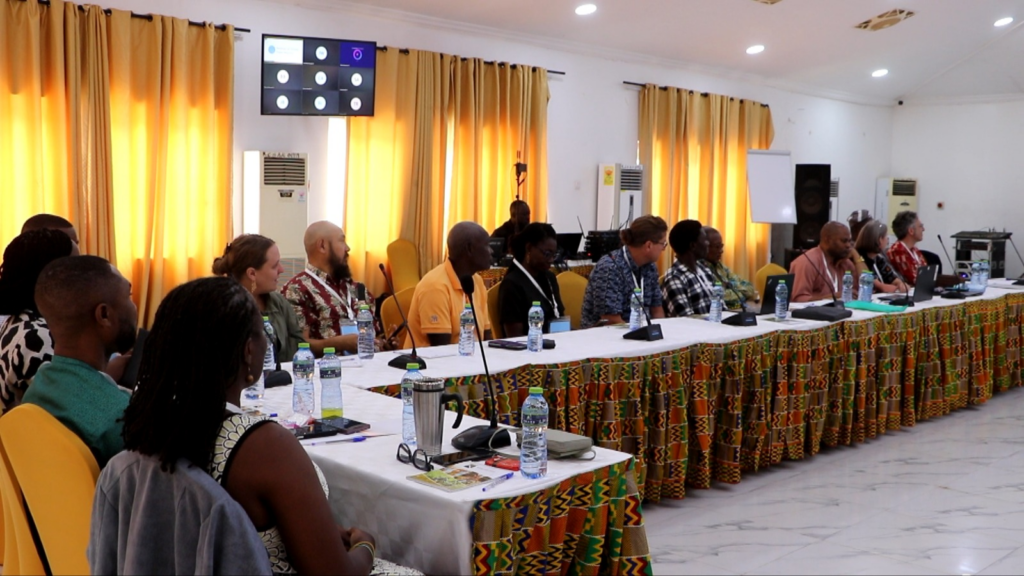
Scholars, philosophers, and development practitioners from across the globe have converged at the Royal Cosy Hills Hotel in Jirapa for the 2nd Annual Conference of the Institute of Global Value Inquiry (IGVI).
The participants have issued a call to dismantle Western epistemic hegemony and embed development policies within indigenous African knowledge systems.
The three-day international summit, running from September 7 to 9, 2026, is being hosted in collaboration with the University of Business and Integrated Development Studies (UBIDS) under the theme, “Indigenous Values and Social Change,” alongside a sub-theme focusing on “African Feminisms and Indigenous Values in Precarious Global Movements.”
Delivering the opening address, the Vice-Chancellor of UBIDS, Professor Emmanuel Kanchebe Derbile, warned that centuries of colonial distortion, enslavement, and dominant global power structures have systematically pushed African philosophies to the margins of history.
He cautioned that indigenous knowledge systems must not be treated as “static museum pieces”, but as dynamic, living frameworks capable of addressing structural injustice and modern crises.

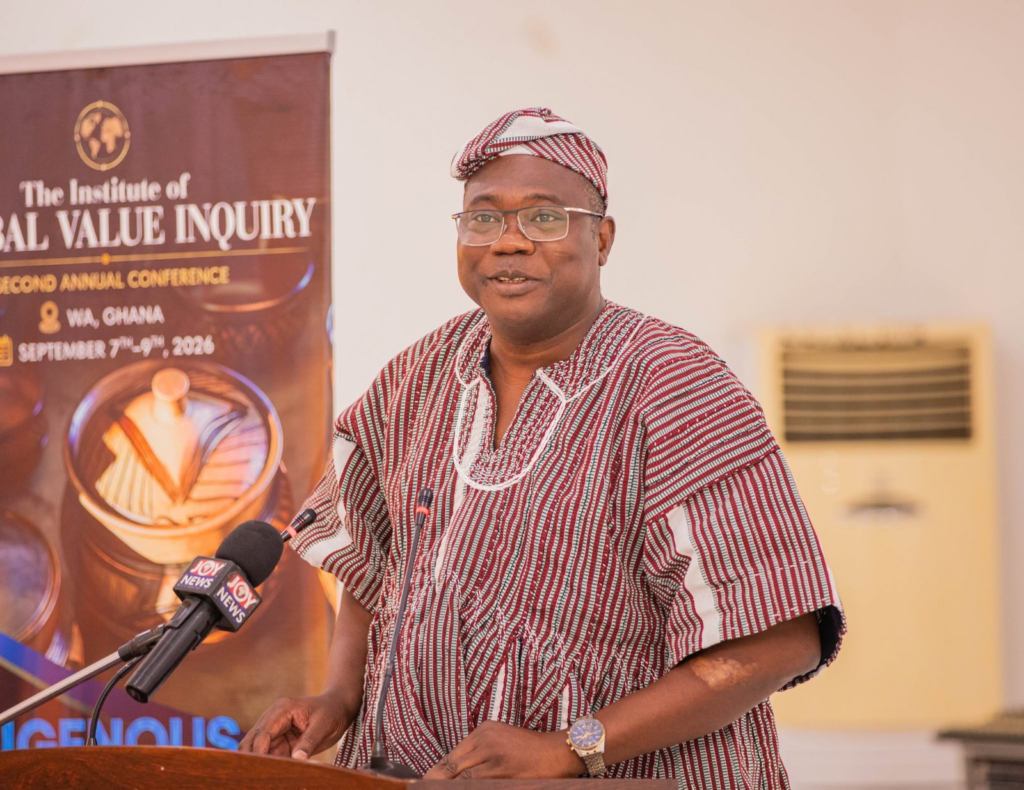
“Centuries of enslavement, colonialism, imperialism, and imposition of religious ideologies have relegated our indigenous philosophies, knowledge systems, and practices to the margins of history. Yet, they endure as vibrant, resilient forces in the face of adversity,” Prof. Derbile stated.
Prof. Derbile highlighted the growing precarity of the global women’s movement, pointing to funding cuts from the Global North and a toxic resurgence of anti-rights movements that mischaracterise gender equality as alien to African culture.
To anchor structural change locally, he announced that UBIDS has taken concrete steps to resource its Centre for Gender, Diversity, and Social Inclusion, directed by Prof. Constance Akurugu.
In a keynote conversation titled “Ancestor-Centrism, Indigenous Ethics and Values, and Social Change: The Dagara Paradigm Revisited,” the President of Millar Open University, Prof. David Millar, challenged the assumption that European science is objective or value-free.
“European science is within a European culture; it is not value-free. When you do academic or professional work, knowledge must be embedded in a people’s culture. That is the bottom line,” Prof. Millar argued.

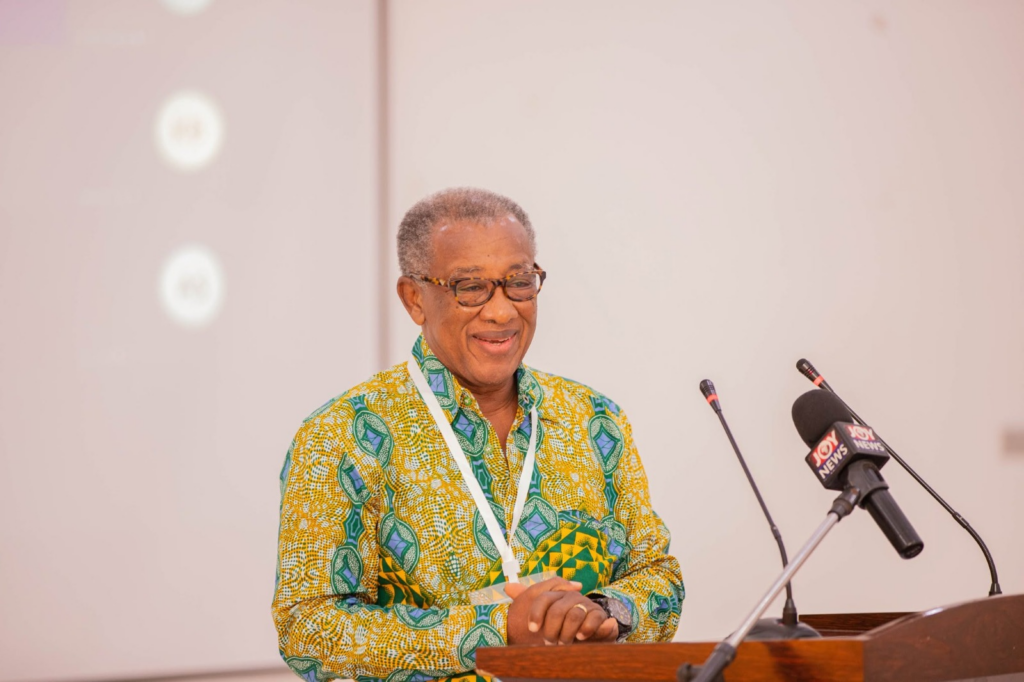
Using the Dagara indigenous worldview as a case study, Prof. Millar pushed back against Western literature that characterises African women as voiceless, describing them instead as a potent, covert “matriforce” and the primary custodians of family and agricultural knowledge.
Prof. Millar also stirred debate in the hall when he offered an academic defence of traditional polygyny as an institutional “risk management” mechanism rather than a patriarchal indulgence.
“Marriage in traditional society was also part of risk management. The intention of several wives is to spread the risk so that when others age, the younger ones can take over the management of the family and elderly care,” he said in an interview, urging a synergy between indigenous customs and imported religions such as Christianity.
The proposition drew sharp perspectives from other conference participants.

One of the foremost African feminist theorists and authors of The Invention of Women, Professor Emerita Oyèrónkẹ́ Oyěwùmí, cautioned against reducing massive continental transformations to sensationalised debates on polygamy.
“We come to a conference dealing with huge African issues, and then suddenly polygamy becomes the number-one preoccupation? That won’t happen to me,” Prof. Oyěwùmí remarked.
“The number-one culture we must address in Africa is the culture of impunity—people in positions of power and dominance wielding it anyhow over women, children, and citizens in the name of culture. How do we overturn that?”
Addressing the marital debate from a Southern African perspective, Senior Lecturer at North-West University, South Africa, Dr Lindokuhle B. Gama, noted that lived reality paints a different picture for many women.
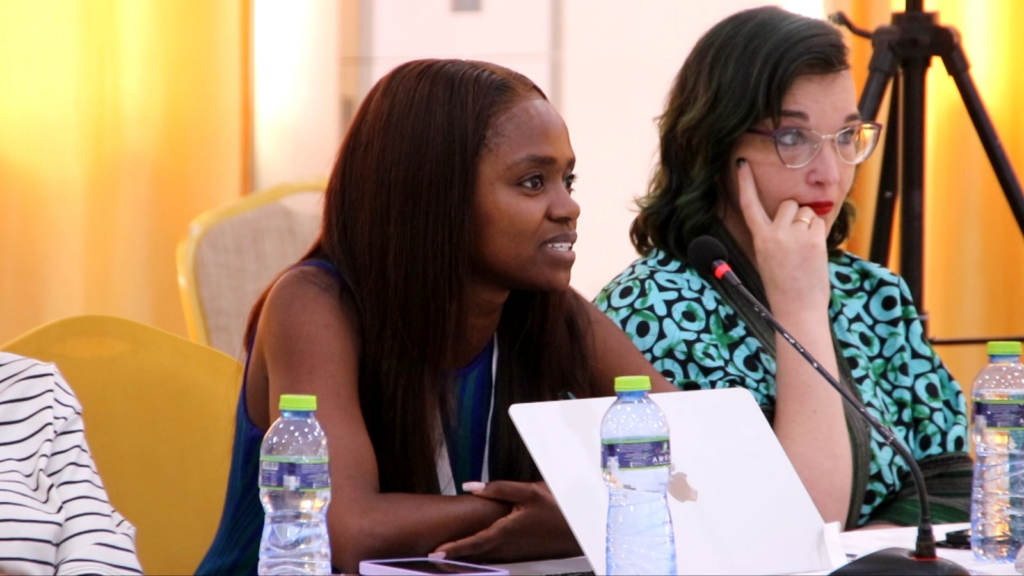
“If you ask African women whether they are happy with this, the reality is that many are not. If I have become your sister over time, set me free,” Dr Gama stated while presenting her research on relational dialectics and women’s agency in the Kingdom of Eswatini.
Co-Director of IGVI, Prof. Dr Anke Graness of the University of Hildesheim, Germany, echoed the need to question universal norms, observing that feminist debates within Africa increasingly interrogate these practices.
“If there is a polygamous system for men, African colleagues at this conference have rightly asked why women shouldn’t be equally free to choose more than one husband. We must critically discuss the origin of these norms,” she said.
Director of IGVI, Dr Valentin Beck, explained that following the institute’s inaugural summit in Berlin last year, organisers deliberately resolved to move subsequent annual conferences across the Global South to champion epistemic justice and engage communities where indigenous knowledge thrives.

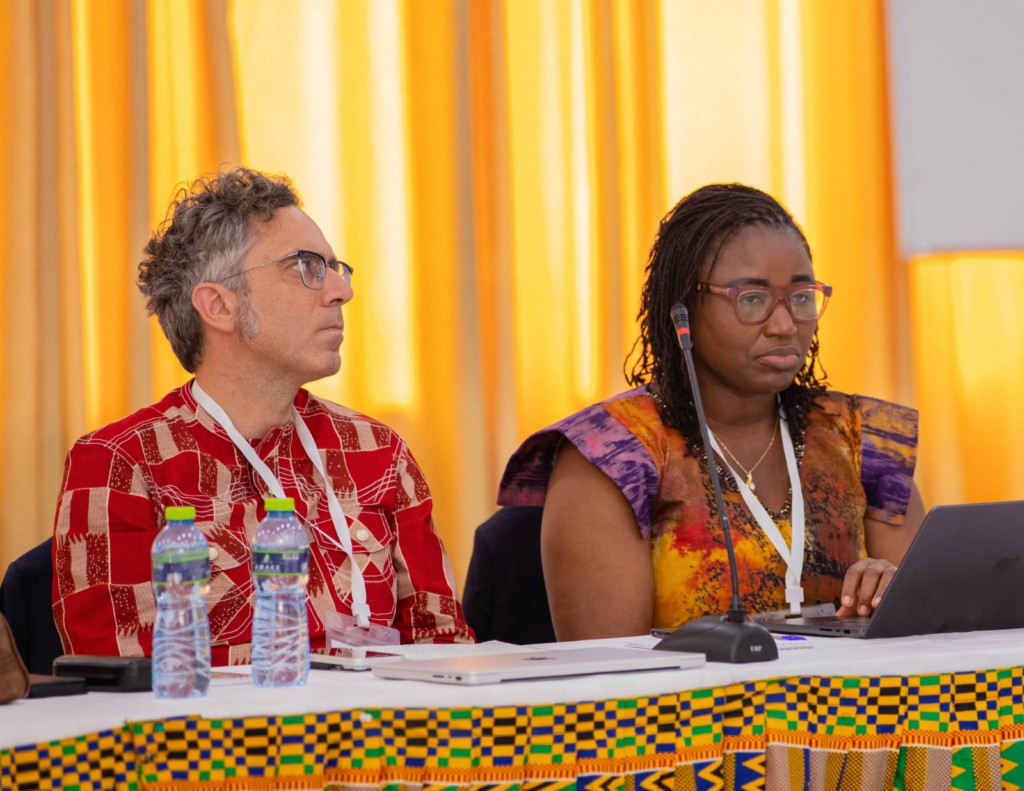
“Global challenges, from climate change and resource scarcity to inequality—are not merely technical; they concern disputes about what we value,” Dr Beck noted.
“These questions cannot be answered from one part of the world while other voices are excluded.”
Host organiser and Leader of the African Gender Equality Research Group at IGVI, Associate Professor Constance Awinpoka Akurugu, expressed optimism that bringing about 45 scholars from Latin America, Asia, Europe, and Africa to Jirapa would catalyse sustainable, community-grounded solutions.
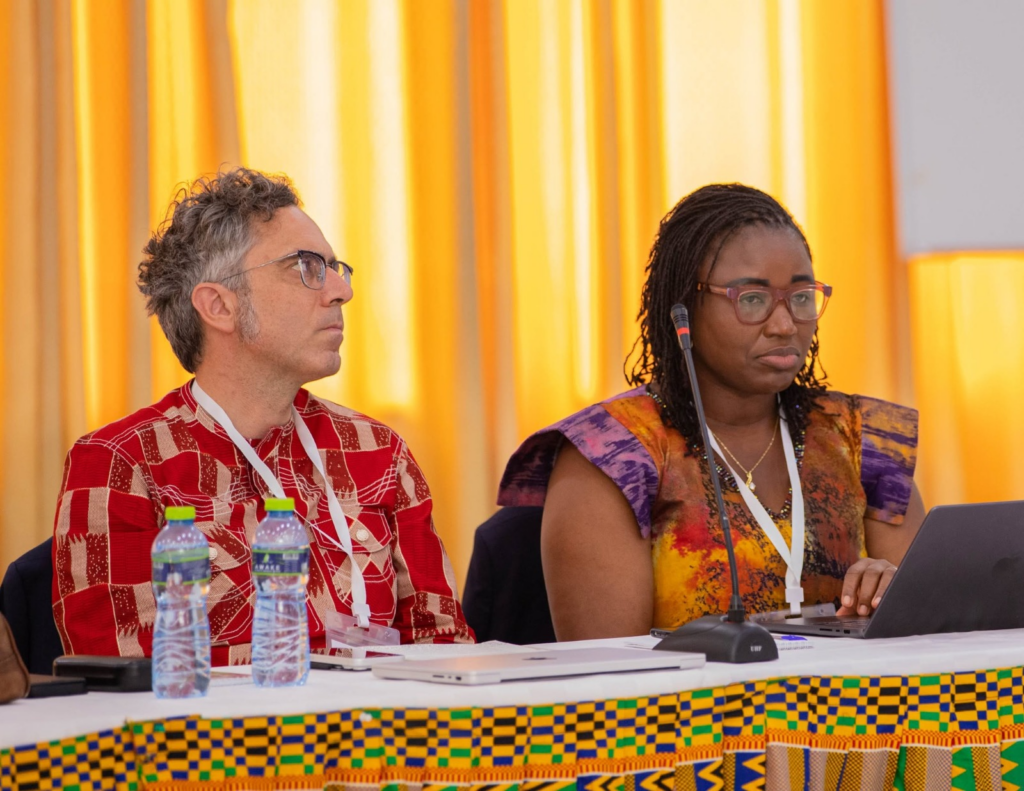
“It is critical for us to dislodge the epistemic dominance of Western-centred systems. The discussions here must inspire and drive social change that centres the voices, epistemologies, and lived realities of indigenous communities,” Prof. Akurugu said.
DISCLAIMER: The Views, Comments, Opinions, Contributions and Statements made by Readers and Contributors on this platform do not necessarily represent the views or policy of Multimedia Group Limited.
DISCLAIMER: The Views, Comments, Opinions, Contributions and Statements made by Readers and Contributors on this platform do not necessarily represent the views or policy of Multimedia Group Limited.
Source link


