


The Bahass Foundation has marked this year’s World Mental Health Day with the launch of a vocational skills training initiative aimed at empowering residents undergoing rehabilitation and reducing relapses linked to unemployment and social stigma.
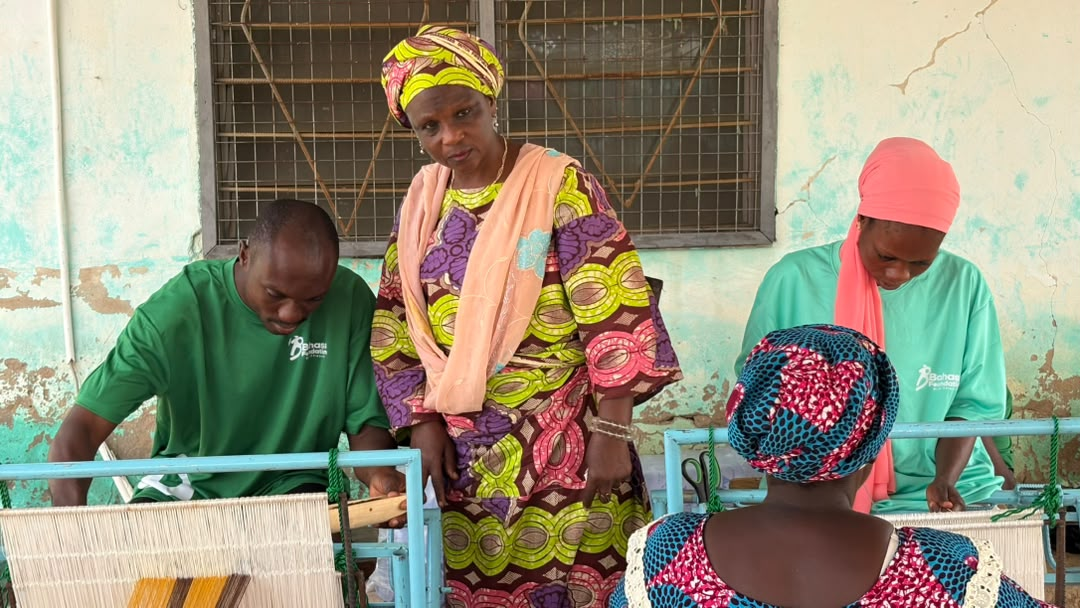
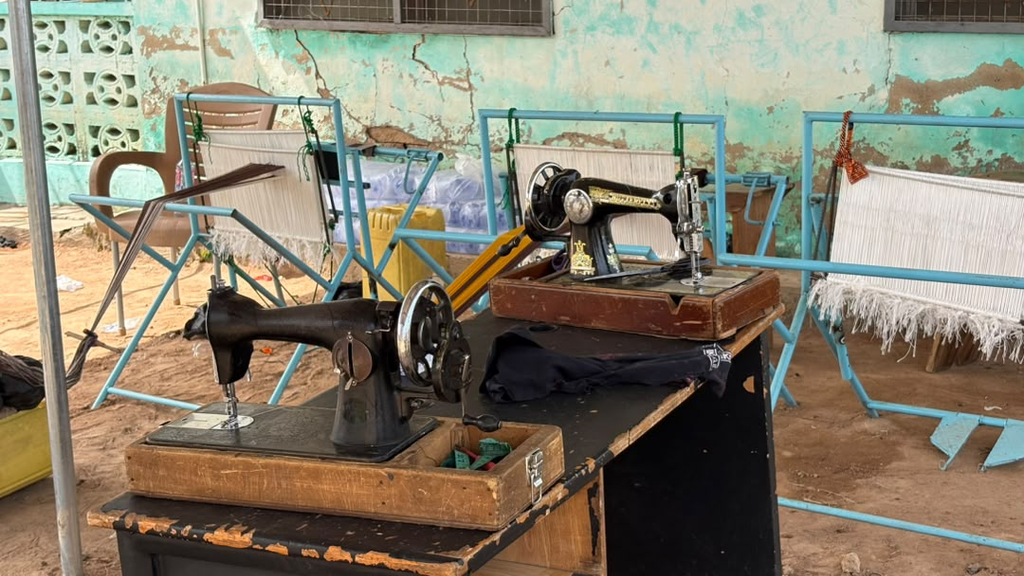
The initiative provides practical training in tailoring, smock dressmaking and traditional weaving to help residents acquire skills they can use to earn a living and reintegrate into their communities after rehabilitation.
The Chief Executive Officer of the Bahass Foundation, Ilyasu Yussif Baba, said clinical rehabilitation alone was insufficient if beneficiaries returned to environments where they lacked productive activities and sustainable livelihoods.
“Rehabilitation alone cannot solve all problems. Many of them, when they go back, do not have anything doing. That is why we decided to launch skills training, so when they are out, they have something productive to rely on rather than sitting idle,” Mr Baba explained.
According to Mr Baba, substance abuse accounts for approximately 80 per cent of current admissions at the facility, while other cases are associated with acute financial stress, business collapse or marital breakdown.
The facility currently houses 72 residents, comprising 60 males and 12 females. At the time of the event, 18 residents had started the vocational training, with two already able to produce woven items independently.
The potential impact of the initiative was evident among the residents. Gifty Mary Sunchebe, a resident from Nandom who developed a substance abuse problem while living in Koforidua, demonstrated how she coils thread for smock weaving.
“Coming here has given me a new skill. When I go home, I will show my parents what I can do so they can support me to start on my own,” she said.
She also urged families not to abandon relatives struggling with substance dependence.
Another resident, Bayuo Fortunatus, who is learning smock weaving, said vocational skills could help people recovering from mental health conditions overcome social stigma and achieve financial independence.
“Being in a mental home does not mean your life has ended. Employment issues affect everyone. Once you acquire a viable skill, you go out into the world able to provide for yourself and stay stable,” Fortunatus noted.
The event also featured a testimony of successful community reintegration by Mohammed, popularly known as “Killer Ntua”, a former resident who recovered at the facility, married and returned with his wife, Latifa, and young son, Abdul Rashid, to express gratitude to the foundation.
Ali Labaran, a resident undergoing rehabilitation, highlighted the facility’s dual role as a recovery centre and an addiction detoxification facility.
“Addiction, if left unchecked, will eventually drive a person into acute mental illness. We chose to be here with the backing of our families to reclaim our futures,” Labaran said.
Addressing the gathering, the Upper West Regional Mental Health Coordinator, Sylvester Basagnia, commended the foundation for placing the experiences and perspectives of people with lived experience at the centre of its activities.
However, he warned against the widespread stigma, derogatory labelling and abandonment of people experiencing mental health challenges by their families and communities.
“The fact that someone has schizophrenia, depression or an addiction does not mean their name has changed to that illness. Address people with dignity by their real names,” Mr Basagnia urged.
He cited the case of a trained senior high school teacher in Wa whose employment was terminated and payroll records erased after he developed mental health complications, leaving him destitute on the streets.
Mr Basagnia also raised concerns about substance abuse in the Wa Municipality, particularly the use of tramadol, pethidine, illicit alcohol and smokeless powdered snuff, locally known as nyee.
The chairman for the occasion, Biihee Naa, Naa Jaafar Pelpuo, emphasised that mental health challenges could affect anyone, regardless of social status or religious devotion.
“Mental illness is a common affliction that spares no one. If you find yourself in sound health, do not assume you are merely favoured while those afflicted are cursed. Supporting them to heal is supporting our own community’s wellbeing,” Naa Pelpuo stated.
The Coordinator of the Wa Community Foundation, Fatawu Dauda, described Bahass as an indispensable pillar in the Upper West Region, providing food, shelter and dignity to people living on the streets when their families are unable to care for them.
The event also attracted donations from community organisations in support of the foundation’s work.
The Jawara Foundation, led by its National Coordinator, Francis Baaladong, donated clothing, bags of rice, cooking oil, detergents, toiletries and GH₵1,000 in cash.
The Cathedral Parish branch of the Society of St. Theresa of the Child Jesus, represented by Diana Ali, donated clothing, toiletries and GH₵500 in cash.
The Upper West branch of Muslim Women in Teaching (MUSWIT), led by its patron, Sahadatu Y. Dodoo, also made financial donations and urged families to listen to relatives experiencing distress before their conditions worsened.
Despite its achievements, including the successful rehabilitation of more than 48 individuals, the Bahass Foundation faces significant infrastructural challenges. All 72 residents are currently accommodated in a single compound house.
Mr Baba appealed to philanthropic organisations, government agencies and the general public to provide building materials and financial assistance to complete an ongoing dormitory project, which has stalled at the window stage.
DISCLAIMER: The Views, Comments, Opinions, Contributions and Statements made by Readers and Contributors on this platform do not necessarily represent the views or policy of Multimedia Group Limited.
DISCLAIMER: The Views, Comments, Opinions, Contributions and Statements made by Readers and Contributors on this platform do not necessarily represent the views or policy of Multimedia Group Limited.
Source link
