


The sound of a marimba welcomed participants to the main conference centre at the Meropa Hotel in Polokwane, Limpopo, as members of the Badira Mmogo Cultural Group performed at the opening ceremony of the 2026 Africa Tourism Leadership Forum.
Some members played the marimba while others danced, setting the tone for the forum.
Outside the main conference area, exhibition stands have turned the venue into a showcase of Africa’s tourism potential, with destinations, tourism products, hospitality services and investment opportunities from across the continent on display.

The mix of cultural performances, exhibitions and discussions has brought together policymakers, tourism and hospitality leaders, investors and other industry players, with much of the conversation centred on how to increase cooperation and grow tourism across Africa.
For Africa Tourism Partners CEO, Kwakye Donkor, the forum itself is evidence of what tourism can do for a destination.
He said bringing the event to Limpopo has given the province exposure to an international audience, including people who previously knew little or nothing about the destination.
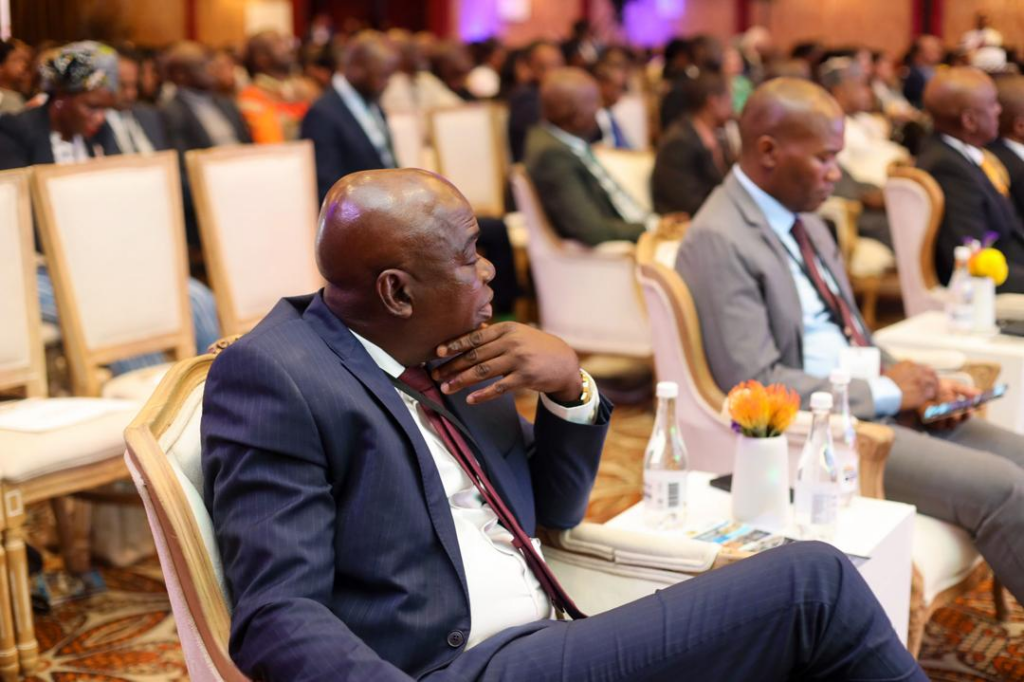
Mr Donkor said delegates from about 32 countries are taking part in the forum, with individuals from over 60 countries.
He said the exposure could have taken the Limpopo Tourism Agency considerably more time and resources to achieve if it had travelled to each of those countries individually to market the province.
“So the benefit of such events is not just about numbers; it’s about priceless brand equity, priceless visibility,” he said.
The South African Tourism Minister, Patricia de Lille, used the gathering to make a case for a more connected African tourism industry.
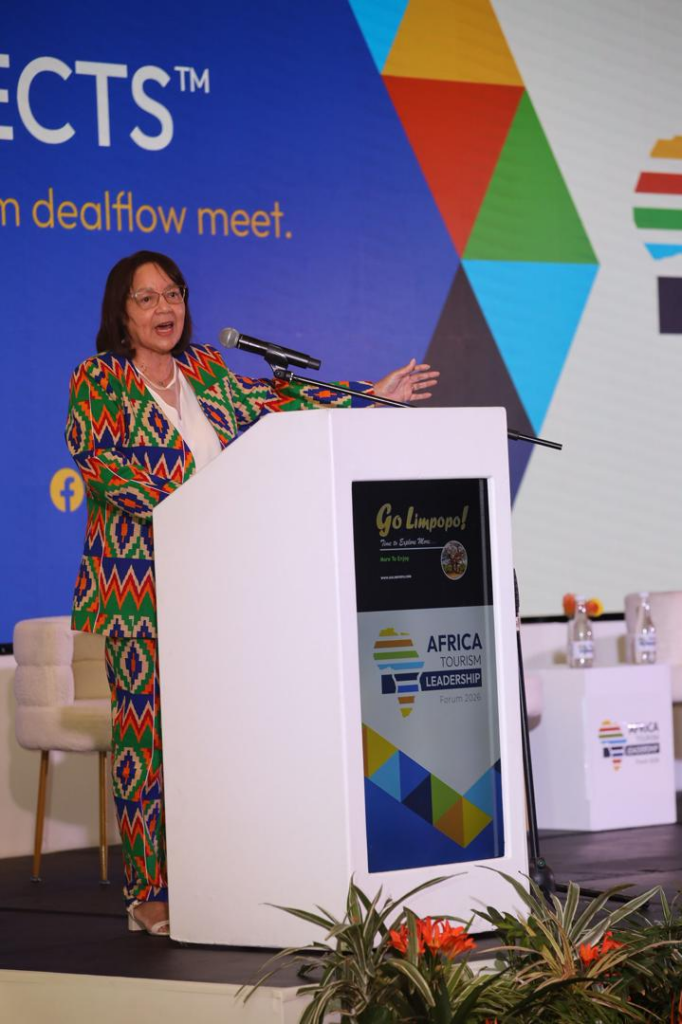
She said Africa cannot build an integrated tourism economy if Africans continue to face difficulties travelling from one country to another.
Governments, airlines, airports and private-sector players, she said, must work together to establish viable routes, increase flight frequencies, reduce fares and make travel within Africa more accessible and affordable.
“Because Africa must visit Africa. Africa must invest in Africa. And Africa must explore Africa,” she said.
Migration also featured in her address, against the backdrop of growing debate in South Africa over irregular migration and the treatment of African migrants.
While acknowledging South Africa’s responsibility to secure its borders and enforce its immigration laws, she said that should not be mistaken for a decision to shut itself off from the rest of the continent.
“Managing irregular migration must never be confused with closing South Africa off from Africa,” she said.
She maintained that South Africa could secure its borders while still maintaining an open tourism economy that supports lawful travel, trade and economic activity across the continent.
For the Premier of Limpopo Province, Dr. Phophi Ramathuba, the forum marks the beginning of a new chapter for the province, with an ambition to position Limpopo as a gateway for African tourism, investment, trade and partnerships.
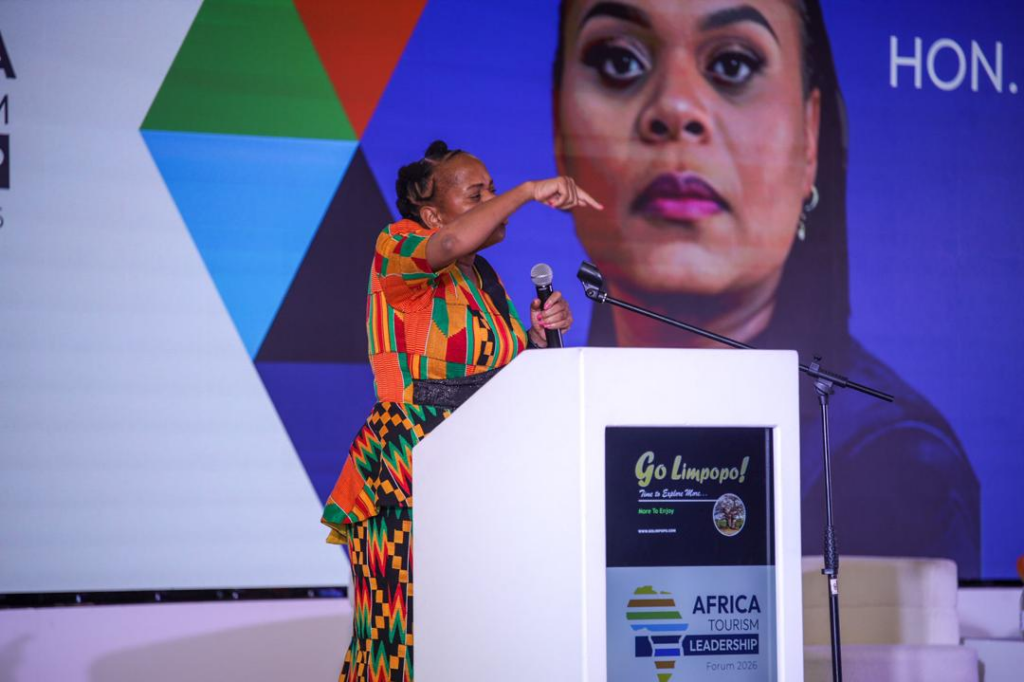
“So we want investors to see the opportunity. We want businesses to find new markets. We want entrepreneurs to establish meaningful partnerships and communities to benefit from inclusive economic growth,” she said.
“Because what we know is that for us, tourism is the backbone of our economy”.
The message of greater connectivity was reiterated by UNESCO Director General France, Khaled El Nany.
He said strengthening connectivity and supporting cultural and creative industries could help diversify tourism and ensure its benefits are spread more widely.
“By strengthening connectivity and supporting cultural and creative interviews, we can diversify tourism and distribute its benefits more widely. UNESCO is committed to supporting this approach,” he said.
He said that earlier in the year, UNESCO and UN Tourism had strengthened their partnership to advance sustainable, inclusive and resilient tourism that protects heritage while benefiting communities.
Representing the Secretary-General of the AfCFTA Secretariat, Wamkele Mene, Director of Trade in Services, Investment, Intellectual Property Rights and Digital Trade at the AfCFTA Secretariat, Emily Mburu Ndoria, said the forum should not end with discussions in Polokwane.
“The African tourism leadership forum provides an opportunity and an important platform to challenge existing approaches, generate new ideas, and build partnerships. But the true measure of our discussions, as was also mentioned by the minister, will be the progress we make after we leave Polokwane,” she said.
She posed a series of questions about what should follow the forum. “Can we enable more Africans to travel within Africa? Can we build stronger African tourism businesses and value chains? Can we make our destinations more connected? and competitive?
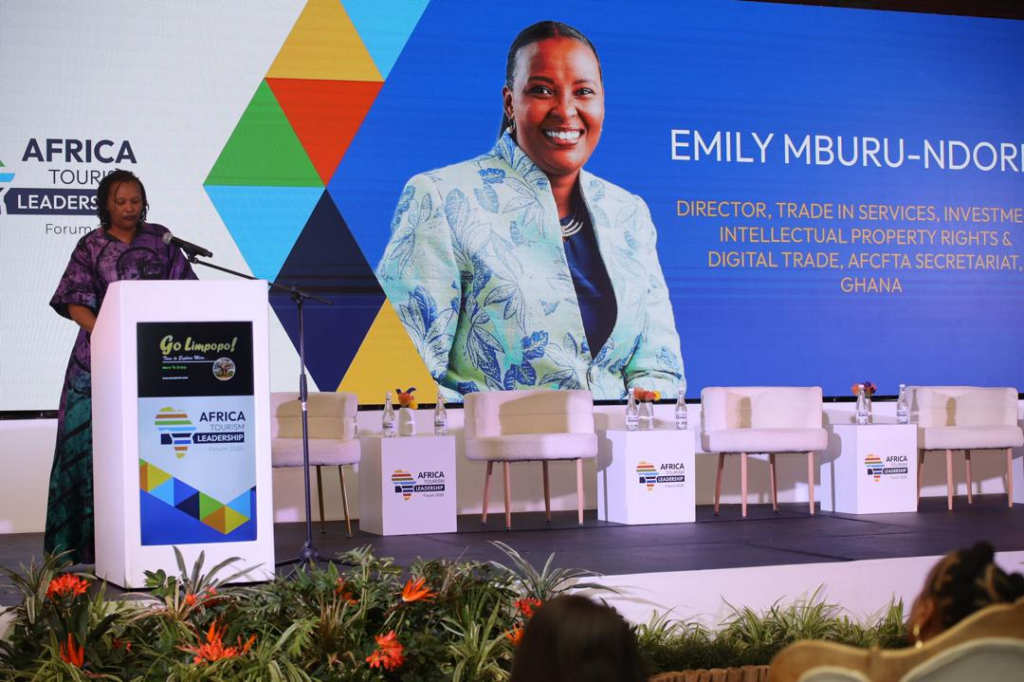
And can we ensure that a greater share of the economic value that is generated by African tourism remains within African economies?”
She said these should be the outcomes that define the next chapter of Africa’s growth trajectory in the tourism sector.
She said the AfCFTA Secretariat is committed to working with member states, tourism boards and authorities, the private sector, creatives and the creative industries, investors and development partners.
The goal, she said, is to build a more integrated, competitive and dynamic African tourism economy.
“Let us use this forum, not only to rethink trajectory, but to take the practical steps necessary to change it.”
DISCLAIMER: The Views, Comments, Opinions, Contributions and Statements made by Readers and Contributors on this platform do not necessarily represent the views or policy of Multimedia Group Limited.
DISCLAIMER: The Views, Comments, Opinions, Contributions and Statements made by Readers and Contributors on this platform do not necessarily represent the views or policy of Multimedia Group Limited.
Source link
