


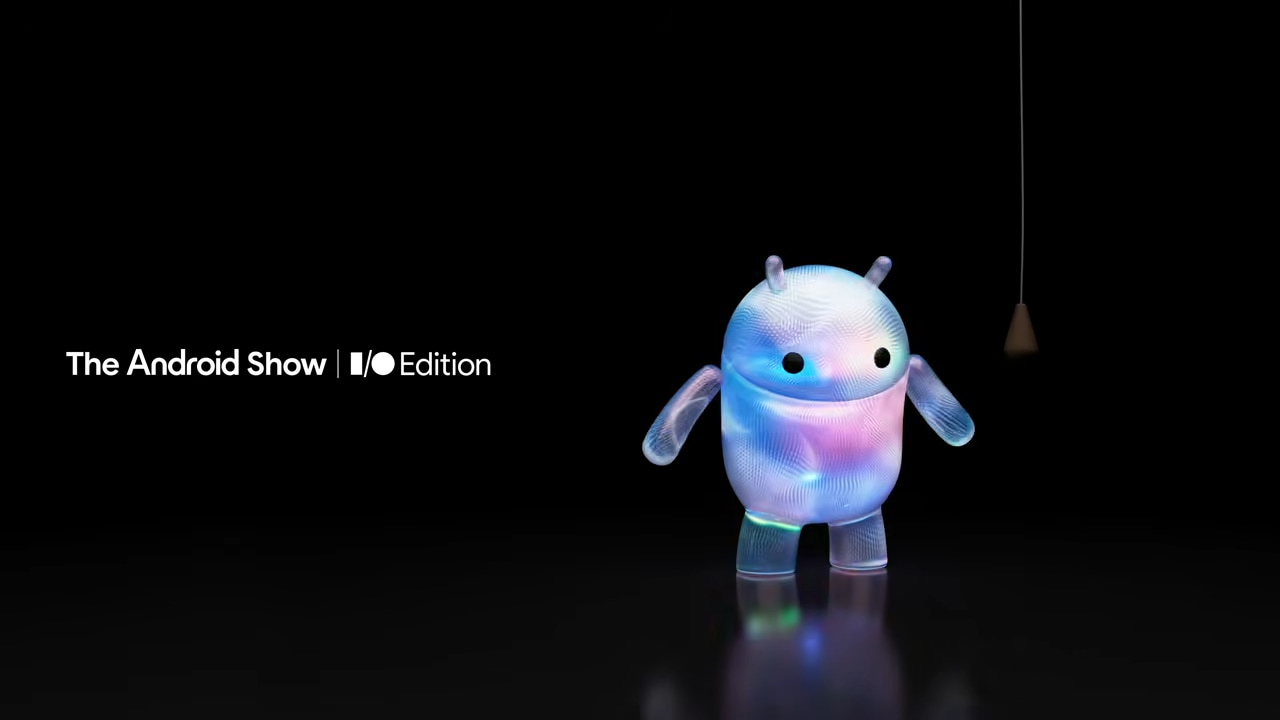
For the second consecutive year, Google is set to host “The Android Show | I/O Edition” as a precursor to its highly anticipated annual developer conference, Google I/O 2026. This strategic pre-event broadcast, scheduled for Tuesday, May 12, at 10 a.m. PT, a full week before the main I/O conference on May 19-20, signals a deliberate evolution in Google’s announcement strategy. The company has boldly proclaimed that 2026 is “going to be one of the biggest years for Android yet,” a tantalizing promise that sets the stage for potentially groundbreaking developments across the vast Android ecosystem. This move underscores Google’s commitment to delivering a more streamlined and impactful flow of information, distinguishing between consumer-facing innovations and deep-dive developer insights.
The Evolving Pre-I/O Strategy: A New Era for Android Announcements
Google’s decision to host a dedicated “Android Show” before its flagship I/O event reflects a growing trend in the tech industry to segment major announcements for different audiences. By dedicating a separate event to consumer-centric Android features, Google aims to capture broader public attention before shifting focus to the technical intricacies and developer tools at I/O. This approach allows for a more focused narrative, ensuring that neither the general public nor the developer community feels overwhelmed or underserved. The 2026 iteration marks the establishment of this format as a regular fixture, reinforcing its importance in Google’s communication calendar.
The 2025 Precedent: A Look Back at the Inaugural Android Show
The precedent for this format was successfully established in 2025. During the first “Android Show | I/O Edition,” Google unveiled several significant features and updates that directly impacted the user experience. Key announcements included:
- Material 3 Expressive: An evolution of Google’s Material You design language, Material 3 Expressive pushed the boundaries of personalization and dynamic theming, offering users even greater control over the aesthetic of their Android devices. This update introduced more fluid animations, deeper customization options, and an enhanced visual coherence across the operating system.
- Find Hub: This new feature aimed to centralize and simplify the process of locating lost or misplaced devices and accessories within the Android ecosystem. Leveraging a vast network of Android devices, Find Hub promised enhanced accuracy and expanded capabilities, making it easier than ever for users to recover their valuable tech.
- Gemini Expansion to Android Auto, Wear OS, and Google TV: The integration of Google’s advanced AI model, Gemini, across various Android platforms was a major highlight. This expansion brought more intelligent assistants, personalized recommendations, and seamless voice interactions to cars, smartwatches, and smart TVs, significantly enhancing the utility and user experience of these devices.
While these consumer-facing announcements took center stage at The Android Show, Google I/O 2025 still featured crucial insights into Android’s future, particularly concerning Android (XR). However, the bulk of the operating system’s broad user-facing enhancements were strategically revealed a week prior. This successful execution in 2025 clearly demonstrated the efficacy of separating consumer news from developer-focused content.
Why the Split? Optimizing Engagement for Diverse Audiences
The rationale behind Google’s repeated adoption of this split format is multi-faceted. Firstly, it allows for a cleaner, more digestible narrative. Consumer-facing features, which often involve user interface changes, new applications, or broader platform capabilities, resonate with a wider audience. Presenting these in a dedicated show ensures they receive ample attention without being overshadowed by highly technical discussions relevant primarily to developers.
Secondly, it optimizes the experience for both audiences. Developers attending or watching I/O can delve straight into the technical sessions, API updates, and tooling advancements that directly impact their work, without sifting through extensive consumer product demonstrations. Conversely, the general public interested in the latest Android innovations can tune into “The Android Show” for a concise overview of what’s new and exciting for their devices. This segmented approach prevents information overload and caters to specific interests, ultimately enhancing engagement and clarity.
What to Expect at The Android Show | I/O Edition 2026
Google’s bold claim of 2026 being “one of the biggest years for Android yet” suggests that the upcoming Android Show will be packed with significant announcements. Given the past year’s focus and the general trajectory of tech, we can anticipate a strong emphasis on artificial intelligence, cross-device interoperability, and continued ecosystem expansion.
Android’s Core Evolution: A Deeper Dive into the Next OS
While the full details of the next Android version (likely Android 17, following Android 16) will be extensively covered at I/O, The Android Show is the perfect platform to introduce its core tenets and key user-facing features. We can expect:
- Advanced AI Integration: Beyond Gemini, Google may unveil new ways AI permeates the core OS, offering proactive assistance, intelligent content curation, and context-aware interactions that anticipate user needs. This could involve deeper integration into system apps, enhanced predictive text, smarter notifications, and more intuitive photo and video editing capabilities directly on the device.
- Next-Gen Privacy and Security: With increasing concerns over data privacy, Google is likely to introduce robust new features that give users more granular control over their data and enhance device security. This could include advanced permission management, new privacy dashboards, on-device AI for data processing, and potentially innovative biometric authentication methods.
- UI/UX Refinements and Adaptive Interfaces: Building on Material 3 Expressive, the new Android version might introduce further adaptive UI elements that dynamically adjust not just to color palettes but also to user habits, time of day, or environmental factors. Expect more sophisticated animations, improved accessibility features, and a more cohesive design language across diverse form factors.
- Performance and Battery Life Innovations: Google continuously strives to optimize Android’s performance and battery efficiency. Announcements could include new background process management techniques, improved app startup times, and system-level enhancements that allow for smoother multitasking and extended device usage on a single charge.
- Seamless Cross-Device Interoperability: The “biggest year” claim could point to a significant leap in how Android devices interact with each other and with other Google platforms. Imagine enhanced continuity features between phones, tablets, smartwatches, and even PCs, making transitions between devices almost imperceptible. This could manifest as universal clipboard functionality, seamless media handoffs, and synchronized notifications across all your Android-powered gadgets.
Expanding the Android Ecosystem: Beyond the Smartphone
The Android ecosystem is vast, encompassing much more than just smartphones. The Android Show is an ideal venue to showcase advancements across these crucial platforms:
- Wear OS Innovations: Google has been steadily investing in Wear OS. We might see significant updates to health and fitness tracking, potentially leveraging new sensor capabilities. Enhanced app experiences, improved battery life for smartwatches, and deeper integration with Android phones are also strong possibilities. Perhaps a new “health hub” or AI-driven wellness coaching directly on the wrist.
- Android Auto & Automotive OS: The integration of Gemini into Android Auto was a major step. For 2026, we could anticipate more sophisticated in-car entertainment systems, advanced navigation features with real-time AI insights, and perhaps even integration with vehicle diagnostics or smart home controls from the dashboard. The Automotive OS might see new partnerships and more customization options for car manufacturers.
- Google TV & Android TV: Expect smarter content recommendations powered by Gemini, improved integration with smart home devices for unified control, and new features for live TV streaming and content discovery. A more personalized viewing experience, perhaps with multi-user profiles that learn individual preferences, could be on the horizon.
- Tablets and Foldables: With the resurgence of tablets and the growing popularity of foldables, Google is likely to announce significant optimizations for these form factors. This could include enhanced multi-tasking capabilities, improvements to the taskbar, better app scaling, and new gestures designed specifically for larger or flexible screens. The goal would be to make these devices truly productive and versatile.
- Android (XR) and the Future of Immersive Experiences: While I/O typically handles the deeper technical aspects of extended reality, The Android Show might reveal consumer-facing applications or hardware partnerships for Android (XR). If 2026 is indeed one of the biggest years, a concrete step towards consumer-ready AR/VR experiences powered by Android could be a monumental announcement, potentially including new input methods or interaction models.
Gemini’s Pervasive Influence: AI at Android’s Core
Gemini’s expansion in 2025 was just the beginning. In 2026, we can expect Gemini to become even more deeply embedded across all layers of Android. This might include:
- Proactive Assistance: Gemini moving from a reactive assistant to a truly proactive one, offering suggestions and completing tasks before users even explicitly ask.
- Hyper-Personalization: AI tailoring every aspect of the Android experience, from app suggestions to notification prioritization, based on individual habits and preferences.
- Enhanced Content Creation: AI-powered tools for generating text, images, and even video clips directly on the device, integrated into standard Android apps.
- Natural Language Understanding: More sophisticated conversational AI that understands complex queries, maintains context across conversations, and performs multi-step tasks effortlessly.
Hardware Integration and Partnerships: A Glimpse into the Future
While Google typically reserves hardware announcements for its Made by Google events, the software innovations revealed at The Android Show often provide strong hints about the capabilities of upcoming Pixel devices or partnerships with other OEMs. New Android features will undoubtedly leverage advancements in mobile chipsets, camera technology, display innovations, and specialized AI accelerators, creating a symbiotic relationship between hardware and software that pushes the boundaries of what a smartphone or other Android device can do.
The Google I/O 2026 Perspective: A Deep Dive for Developers
Following “The Android Show,” Google I/O 2026 will then pivot to its traditional developer-centric focus. The conference, running from May 19-20, will be where Google provides the essential tools, APIs, and guidance for developers to harness the new features announced earlier.
APIs, Tools, and Developer Stories
Expect detailed sessions on new Android APIs, updates to Jetpack Compose for declarative UI development, advancements in Kotlin for safer and more concise code, and new AI development tools that empower developers to integrate Gemini and other Google AI models into their applications. There will be best practices for optimizing apps for various form factors (foldables, tablets, Wear OS, Google TV), new monetization strategies, and deep dives into performance and security best practices. The distinction will be clear: The Android Show tells users what’s coming, while I/O tells developers how to build it.
The Significance of “One of the Biggest Years Yet”
Google’s declaration that 2026 will be “one of the biggest years for Android yet” is a bold statement that carries significant weight. It suggests more than just incremental updates; it hints at a potential paradigm shift or a major strategic move for the platform. This could manifest in several ways:
- A Major Design Overhaul: While Material You has been successful, “Expressive” hints at further evolution. A deeper visual or interaction overhaul could unify the experience across all Android devices more profoundly.
- Foundational Platform Changes: This could involve core architectural changes that enhance performance, security, or cross-platform capabilities in ways not seen before, laying groundwork for future innovations.
- Expansion into New Device Categories: The “biggest year” could be driven by Android making a significant entry into a nascent or emerging device category, perhaps a new form of wearables, smart home hubs, or a more robust presence in the mixed reality space beyond what was hinted at in 2025.
- AI as the Primary Interface: A future where AI isn’t just a feature but the fundamental way users interact with their devices, making the OS far more intuitive and personalized than ever before.
Whatever the specific announcements, the high anticipation generated by Google’s statement ensures that all eyes will be on “The Android Show | I/O Edition” on May 12.


FTC: We use income earning auto affiliate links. More.
Conclusion
Google’s decision to host “The Android Show | I/O Edition” for the second year running, ahead of I/O 2026, marks a significant and welcome refinement in its communication strategy. By dedicating a separate event to consumer-facing Android innovations, Google can effectively engage a broader audience with exciting new features like Material 3 Expressive, Find Hub, and pervasive Gemini AI integration, while reserving I/O for the deep technical discussions crucial for its developer community. The audacious claim that 2026 will be “one of the biggest years for Android yet” fuels immense anticipation, suggesting that we are on the cusp of not just incremental updates, but potentially foundational shifts and groundbreaking advancements across the entire Android ecosystem, from smartphones and wearables to automotive and XR experiences. All eyes will be on May 12th as Google prepares to unveil its ambitious vision for Android’s future.
