


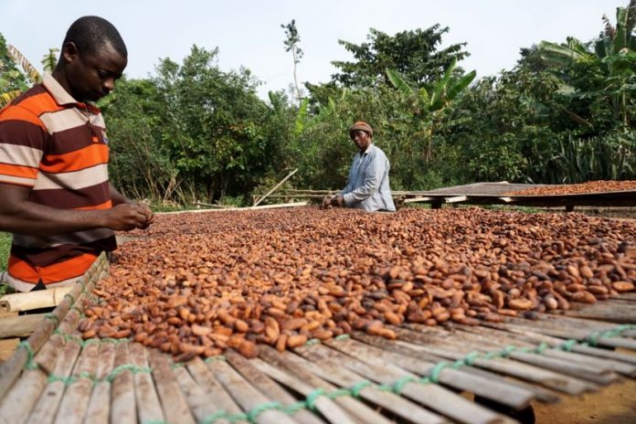
Agricultural analyst Dr Joseph Opoku Gakpo says the government’s plan to ensure 100 per cent of Ghana’s raw cocoa beans are processed locally by 2030 is achievable, provided it has strong political will.
He argues that Ghana has significant untapped cocoa processing capacity, with local processors operating at less than half their installed capacity because they lack sufficient raw cocoa beans.
Dr Gakpo, however, urges the government to look beyond processing cocoa into semi-finished products and place greater emphasis on producing finished goods, where Ghana can retain the greatest economic value locally.
Finance Minister Dr Cassiel Ato Forson announced in the 2027 Budget Statement that Ghana intends to process at least 50 per cent of its cocoa locally by 2028 and 100 per cent by 2030, completing the transition towards ending raw cocoa exports.
While the target may seem overly ambitious for the proposed timeframe, Dr Gakpo believes Ghana’s existing processing infrastructure provides a strong foundation to make it possible.
“Currently, Ghana processes about 30% of our cocoa beans. It’s easy to conclude that moving from that to 100% in six years may not be feasible. But the fact of the matter is that a lot of cocoa processing companies in the country are operating below capacity,” he explained.
“Ghana currently has an estimated annual cocoa grinding and processing capacity of about 500,000 MT.
“Sadly, factories are operating at less than half of their total installed capacity because they are not getting beans to process due to low harvests and the prioritisation of exporting raw beans. If we do things right, we could double processing without even adding more factories,” he added.
Government must address cost of doing business
For Dr Gakpo, meeting the 2030 target will require more than simply directing cocoa beans to local factories. It will also demand a fundamental rethink of how Ghana finances cocoa purchases and supports domestic processing companies.
“When you talk to the processing companies, they complain that electricity and water are too expensive, not to mention the general cost of doing business. If we want to encourage local processing, we need to address all these concerns holistically so the global firms see business sense in processing the cocoa beans here,” he said.
Dr Gakpo says attracting new investors and encouraging existing companies to expand will largely depend on whether Ghana can create a more commercially viable environment for the industry.
“I heard Dr Forson tell Evans Mensah that Dangote is planning to establish a cocoa processing plant in Ghana. I’m sure the current processing companies are also interested in expanding. But we need to create a conducive environment for them; otherwise, they may close down if business conditions are unfavourable,” he said.
Ghana must move beyond semi-finished cocoa products
Beyond expanding processing capacity, Dr Gakpo believes Ghana must be deliberate about the type of cocoa products it produces if the country is to maximise the economic benefits of its cocoa industry.
The Finance Minister told parliament that domestic processing will expand beyond primary grinding to include cocoa liquor, butter, cake, powder, chocolate, cosmetics, and other finished products.
“Mr Speaker, the country that grows the bean must retain a far greater share of the industry built around it,” Dr Forson said during the presentation of the 2027 Budget.
“This bit about paying attention to finished products is important. Currently, we say we process about 30 to 40% of our cocoa, but only about 1.5% of the cocoa we process in-country ends up as finished products. ie., chocolate, confectionery, etc. The majority end up as semi-finished products. We can’t build a viable cocoa industry that way,” Dr Gakpo observes.
He said the country must also build the capacity to manufacture and export more finished cocoa products to ensure that a greater share of the industry’s value, jobs and economic benefits remains within the country.
DISCLAIMER: The Views, Comments, Opinions, Contributions and Statements made by Readers and Contributors on this platform do not necessarily represent the views or policy of Multimedia Group Limited.
DISCLAIMER: The Views, Comments, Opinions, Contributions and Statements made by Readers and Contributors on this platform do not necessarily represent the views or policy of Multimedia Group Limited.
Source link


