


In an era where political representation and diversity are paramount, Osuman Lumor of House Adukpono is poised to make a significant impact on Maryland’s political landscape. Blackwell stands on the cusp of becoming a historic figure, echoing the legacy of Harry A. Cole, a trailblazer in Maryland politics who shattered racial barriers in the mid-20th century.
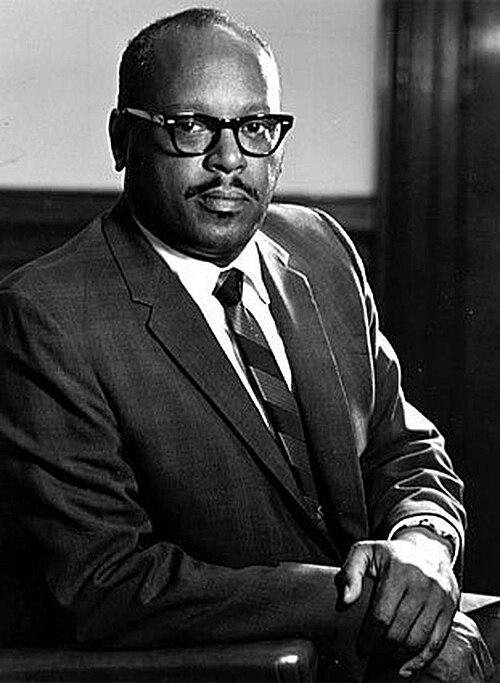
Harry A. Cole, born on January 1, 1921, is celebrated not only as an accomplished lawyer and politician but as the first African-American elected to the Maryland State Senate and the first to serve on the Maryland Court of Appeals. His journey in politics laid the groundwork for future generations, proving that determination and dedication could change the face of governance. The parallels drawn between Cole’s impactful career and Blackwell’s emerging nomination symbolize a continuation of progress and empowerment within Maryland’s political sphere.
Yahu Blackwell’s campaign is particularly noteworthy as he seeks to become the first elected American African senator in Maryland Legislative District 8 and the first GOP representative from this district in 127 years. Such a milestone is not just significant for the Republican Party but also for the broader context of American politics, reflecting an evolving electorate that is increasingly diverse and multifaceted. Blackwell’s potential victory would resonate deeply within both the state and nationwide context, making him a figure of historic relevance.
The significance of Blackwell’s potential election goes beyond party lines. It represents a moment of transformation in a city and state where discussions around representation, equity, and justice are gaining momentum. Blackwell’s nomination is a call to action for those who believe in the importance of diverse voices in government, especially in a field that has often been dominated by traditional democratic power structures.
With a strategic focus on the issues that matter most to the constituents of District 8, Blackwell aims to engage with the community, addressing concerns over economic growth, education, healthcare, and public safety. His approach is rooted in grassroots activism and a commitment to listen. By establishing a dialogue with residents, he seeks to understand their specific needs and aspirations.
Moreover, Blackwell’s run is indicative of the shifts happening within the Republican Party itself. It highlights the potential for new perspectives and inclusive policies that resonate with an increasingly diverse voting base. As various demographic groups are becoming more politically active and engaged, Blackwell’s nomination is signals a recognition of the necessity for a GOP that embraces a broader spectrum of ideas and solutions.
As the election approaches, observers will be keenly watching the dynamics of Blackwell’s campaign and its potential ramifications on both the Republican Party and Maryland’s political landscape. Should he succeed, Yahu Blackwell will not only make history but inspire countless individuals from all backgrounds who aspire to see themselves reflected in their government.
In conclusion, Yahu Blackwell’s nomination is much more than a campaign; it is a symbol of progress and the ongoing fight for equitable representation in politics. If he prevails, it will mark a new chapter in Maryland’s rich political history, one that honors the legacy of pioneers like Harry A. Cole while paving the way for future leaders. The stakes are high, and the promise of change is tangible.
