


The National Democratic Congress (NDC) is weighing rules to determine when money given to delegates for transport becomes an electoral inducement.
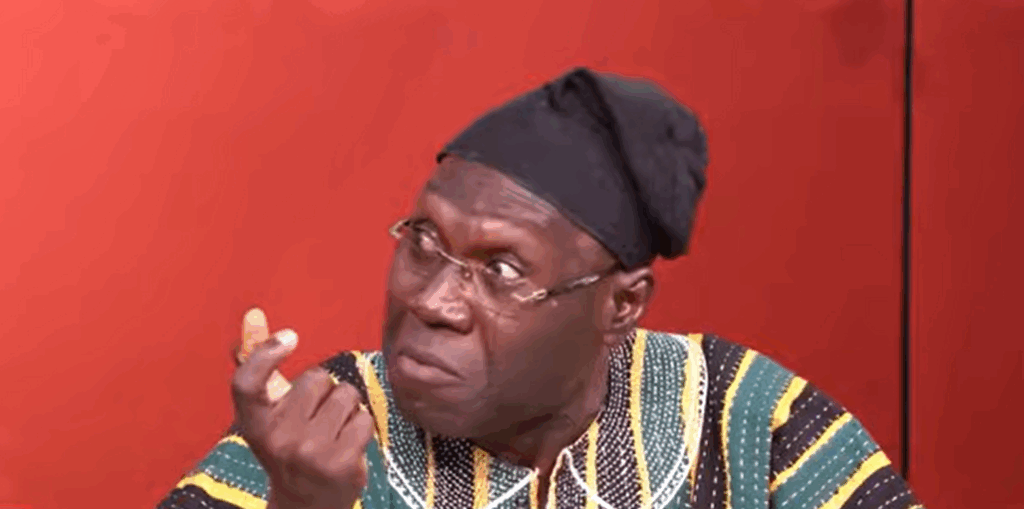
Former Tamale Central MP Inusah Fuseini says proposed constitutional changes must address payments that exceed reasonable travel costs, even when candidates describe them as transport support.
Speaking on Joy News’ PM Express on Tuesday, he said the party needed clear standards for acceptable payments.
“How much money can we say is appropriate in the circumstances? If somebody gives a delegate GH¢200, is it an inducement or what is it?”
His comments follow reports of widespread alleged vote-buying during the NDC’s latest constituency executive elections.
Mr Fuseini said declaring the purpose of a payment did not resolve the question. The amount could still exceed what a delegate reasonably needed for transportation.
The committee reviewing the party’s constitution is examining how to handle such cases. It must also establish which party body can investigate complaints and impose sanctions.
“So we need a framework.”
Mr Fuseini said the committee had recognised the need for sanctions after acknowledging that inducement had occurred in the elections.
But it found “there was no legal mechanism in our constitution to deal with that”.
He explained that this gap could expose disciplinary decisions to challenges. The party needed rules that define misconduct and give its institutions authority to act.
One option is to empower constituency councils of elders to handle cases locally. Another is referring offenders to the national headquarters, where the Functional Executive Committee would act.
The party would further review the proposals before presenting them to a special congress for constitutional amendment.
“So yes, it’s a work in progress.”
Mr Fuseini also warned that the growing financial demands of politics were excluding women, young people and people with integrity.
Some potential candidates lacked the resources to compete. Others were withdrawing from politics because of the sums involved.
He said heavy spending also pressured politicians to recoup their money after winning office.
“A politician is not an NGO, and so when people spend that amount of money, they expect to recoup that, and that fuels corruption on a national scale.”
DISCLAIMER: The Views, Comments, Opinions, Contributions and Statements made by Readers and Contributors on this platform do not necessarily represent the views or policy of Multimedia Group Limited.
DISCLAIMER: The Views, Comments, Opinions, Contributions and Statements made by Readers and Contributors on this platform do not necessarily represent the views or policy of Multimedia Group Limited.
Source link
