


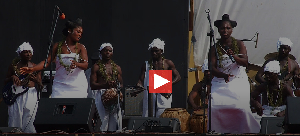

In Ghana, Highlife is more than a music genre — it is a way of life. From funerals and festivals to weddings, football matches and late-night gatherings, its melodies and rhythms shape how Ghanaians celebrate, mourn and connect across generations.
At live music spots in Accra, Highlife continues to pull crowds onto the dance floor, uniting young and old through songs that speak to everyday realities. Musicians say its power lies in its depth and storytelling. For band leader Asah Nkansah, Highlife carries meaning beyond entertainment.
“Highlife music naturally has content,” Nkansah explains. “We have social content, cultural content, sometimes religious content. Highlife is not music for music’s sake.”
Cultural leaders say the genre mirrors Ghanaian identity itself. Osman Damba Tahidu, Secretary-General of the Ghana Commission for UNESCO, describes Highlife as a reflection of how Ghanaians express happiness, sadness, peace, and even luxury through music and dance, passed down through generations and constantly reshaped by innovation.
For listeners, the bond is emotional and deeply personal. “Highlife music, for me as a Ghanaian, it tells our story,” says Selina Doade. “When you are down, when you are happy, when you need inspiration, Highlife is there.”
As modern sounds rise and fall, Highlife remains woven into daily life — not as nostalgia, but as a living cultural heartbeat that continues to define what it means to be Ghanaian.


