


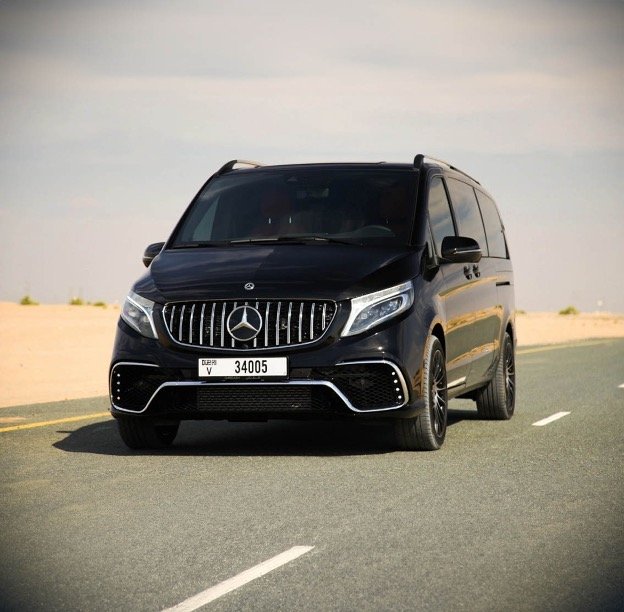
If you’ve bought a used car in Dubai but live in Sharjah, you’ll need to transfer ownership and register it properly. This guide explains how to register a used car in Sharjah with step-by-step instructions, from clearing the old registration in Dubai to getting new Sharjah plates. It’s ideal for anyone buying across emirates who wants a smooth, legal transfer without confusion.
If you’ve found great cheap used cars in Dubai but live in Sharjah, you’re not alone. Many buyers prefer shopping for cars in Dubai because of the wide selection, competitive prices, and variety of dealerships available on OneClickDrive Cars. However, once the purchase is made, you’ll need to go through the process of registering the car in Sharjah, where it will be officially used.
Registering a car across emirates might sound complicated, but it’s actually quite manageable if you know the right steps. The process mainly involves transferring ownership, getting the necessary clearances, and ensuring the car meets Sharjah’s registration requirements.
This guide will walk you through each stage clearly so you can handle it without stress.
Step 1: Check Ownership and Vehicle Status
Before finalizing your purchase, it’s important to verify that the car is free of any fines, loans, or pending legal issues. You can do this through the Dubai Roads and Transport Authority (RTA) website or at any RTA customer service center.
Check that:
- The seller is the legal owner of the vehicle.
- There are no unpaid traffic fines or Salik dues.
- The car is not under bank mortgage (or if it is, ensure the seller clears it before transfer).
This step ensures there are no surprises when you go to transfer ownership later.
Step 2: Get a Vehicle Test Done in Dubai
Once you confirm the car’s status, the next step is to have it tested. Even if the vehicle passed its last test, you’ll need a fresh one to complete the ownership transfer and registration.
You can visit any RTA-approved testing center in Dubai, such as
- Tasjeel
- Shamil
- Wasel
- Al Shamil
The test checks the car’s condition, including its brakes, engine, lights, and emissions. If the car passes, you’ll receive a passing certificate valid for 30 days. If it fails, the necessary repairs must be made before retesting.
Step 3: Clear the Old Registration in Dubai
Once the test is complete and the car is ready for transfer, the seller must cancel the Dubai registration. This process is simple and can be done at any RTA service center.
- Documents required for deregistration include:
- The original Emirates ID and driving license
- The vehicle’s old registration card (Mulkiya)
- Passing test certificate
- Vehicle plate numbers
The RTA will issue a vehicle transfer certificate, which proves that ownership has been legally cleared in Dubai. This certificate is what you’ll need to register the car in Sharjah.
Step 4: Get the Insurance
Before registering the car in Sharjah, you’ll need valid insurance under your name. You can either transfer the existing insurance from the previous owner (if the company allows it) or buy a new one.
When choosing an insurance policy, make sure it matches the car’s age and your driving habits. Older cars may not qualify for comprehensive coverage, but third-party coverage is usually required by law.
You can easily compare insurance quotes online through different providers or use aggregator websites to find the best rate.
Step 5: Register the Car in Sharjah
Now that you have the transfer certificate, insurance, and test results, you can proceed to register the car in Sharjah. Visit the Sharjah Roads and Transport Authority (SRTA) or a Tasjeel center that handles Sharjah registrations.
Here’s what you’ll need to bring:
- Vehicle transfer certificate from Dubai RTA
- Emirates ID and driving license
- Valid insurance certificate
- Vehicle testing certificate (from Dubai)
- Original car plates (if not yet surrendered)
Once all documents are verified, the SRTA will issue your new Sharjah registration card (Mulkiya) and new number plates. You’ll then officially be the registered owner of the vehicle in Sharjah.
Step 6: Pay the Fees
Registration fees may vary slightly depending on the car’s type and model, but here’s what you can expect:
- Transfer and registration fees: around AED 400–500
- Vehicle testing: around AED 150–200
- New Sharjah number plates: approximately AED 35–50
Make sure to keep all receipts for your records.
Step 7: Optional – Get a Sharjah Vehicle Test (If Needed)
While the Dubai RTA test is usually accepted in Sharjah, there are cases where the Sharjah authorities may request a new test, especially if more than a month has passed since the last one. If that happens, simply take your car to a Sharjah Tasjeel center for a quick recheck.
This ensures the car meets local safety and emissions standards.
Things to Keep in Mind
Timing: Try to complete all steps within a few days of purchase to avoid the test or transfer certificate expiring.
Emirates IDs: Both the buyer and seller need valid Emirates IDs for the transfer.
Financed Cars: If the car was under bank finance, make sure the seller clears the loan and obtains a release letter from the bank.
Plates: Once the car is registered in Sharjah, you’ll receive new plates specific to the emirate.
Why Many People Buy Cars in Dubai and Register in Sharjah
Dubai’s car market is one of the largest in the UAE, with a wide variety of options. From affordable sedans to luxury models, there’s a car for every budget. Buyers often find better prices and more options for a used car for sale in Dubai than in other emirates.
Meanwhile, Sharjah offers a quieter lifestyle and sometimes lower fees for ongoing ownership costs. This mix of accessibility and affordability is what drives many people to buy in Dubai but register their Mini Cooper for sale.
The Easy Way to Simplify the Process
If handling all the paperwork yourself feels overwhelming, you can always get help from professional vehicle registration services or car marketplaces that guide you through the process.
Platforms like OneClickDrive can also make it easier to find verified car dealers, compare prices, and connect you with vehicles that are ready for transfer. This ensures you get a transparent deal without unnecessary complications.
FAQs
Q1: Can I register a Dubai car in Sharjah?
Yes. You can register a car bought in Dubai in Sharjah by clearing the Dubai registration first and getting a transfer certificate.
Q2: What documents are required to register a used car in Sharjah?
You’ll need your Emirates ID, driving license, Dubai transfer certificate, valid insurance, and the vehicle test certificate.
Q3: How much does it cost to register a used car in Sharjah?
Expect to pay around AED 400–500 for registration and transfer, plus AED 35–50 for new Sharjah number plates.
Q4: Can I use the Dubai vehicle test certificate in Sharjah?
Usually yes, if it’s less than 30 days old. Otherwise, you may need a re-test at a Sharjah Tasjeel center.
Q5: Do I need insurance before registering a car in Sharjah?
Yes. You must have valid insurance under your name before completing registration at SRTA.
Final Thoughts
Registering a used car in Sharjah after buying it in Dubai might seem like a lot of steps, but it’s actually a smooth process when you’re organized. The key is to handle each stage carefully, checking the car’s legal status, testing it, clearing ownership, and completing the Sharjah registration.
With a bit of planning, you can go from purchase to registration within just a few days. Once done, you’ll have a properly registered vehicle ready to hit the road, giving you the freedom to drive confidently across the Emirates.


