


Ghana has launched a major regional border security initiative, backed by €7.3 million in European Union funding, to strengthen border management and tackle terrorism, violent extremism, and transnational organised crime across West Africa.
The project, known as Strengthening and Harmonising Integrated Border Management Frameworks and Technical (SHIFT) Capacities in West Africa, was officially launched at the Ghana Immigration Service (GIS) Headquarters in Accra with the inaugural meeting of the National Project Steering Committee.
The 48-month project is being implemented by the International Centre for Migration Policy Development (ICMPD) in response to growing security threats in the sub-region, including porous borders, the spillover of terrorism from the Sahel, transnational organised crime, socio-economic challenges and limited state presence in some border communities.


The initiative seeks to strengthen and harmonise Integrated Border Management (IBM) practices across participating countries to enhance national and regional security, promote economic growth, and foster cross-border cooperation.
It will be implemented in Benin, Côte d’Ivoire, Ghana and Togo, with Burkina Faso participating in regional-level interventions. Key stakeholders include national border agencies, security institutions, civil society organisations, border communities and citizens across the region.

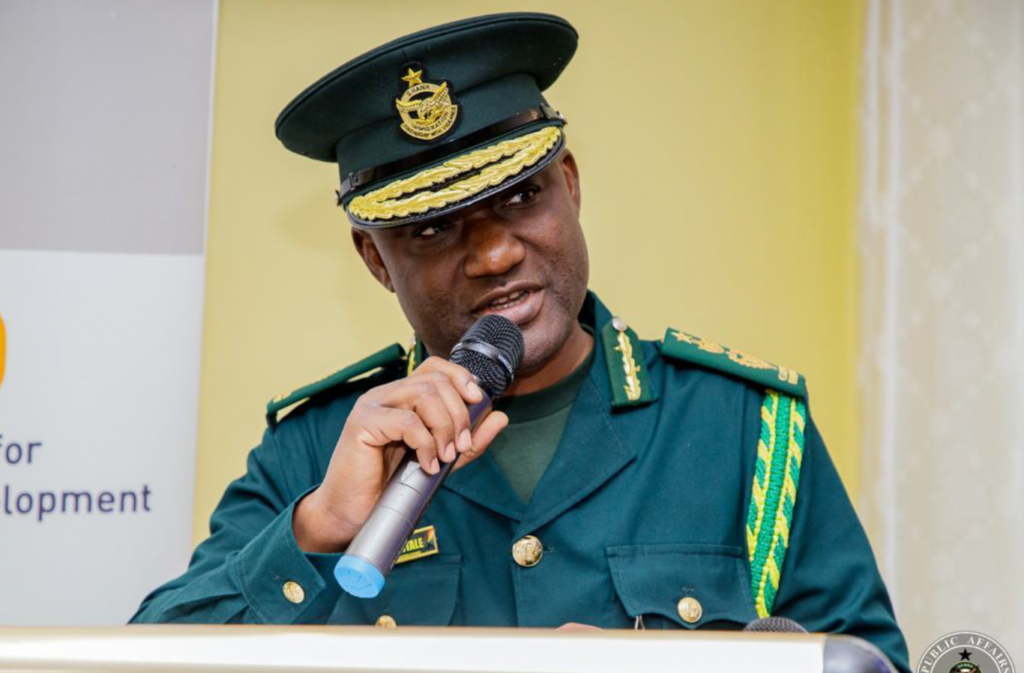
Launching the project, Comptroller-General of Immigration, Samuel Basintale Amadu, reaffirmed the Ghana Immigration Service’s commitment to working closely with regional and international partners to secure Ghana’s borders and contribute to peace and stability in West Africa.
According to the organisers, the SHIFT project adopts a comprehensive and harmonised approach to strengthen the resilience of participating countries, improve operational effectiveness, and promote sustained security and development across the region.
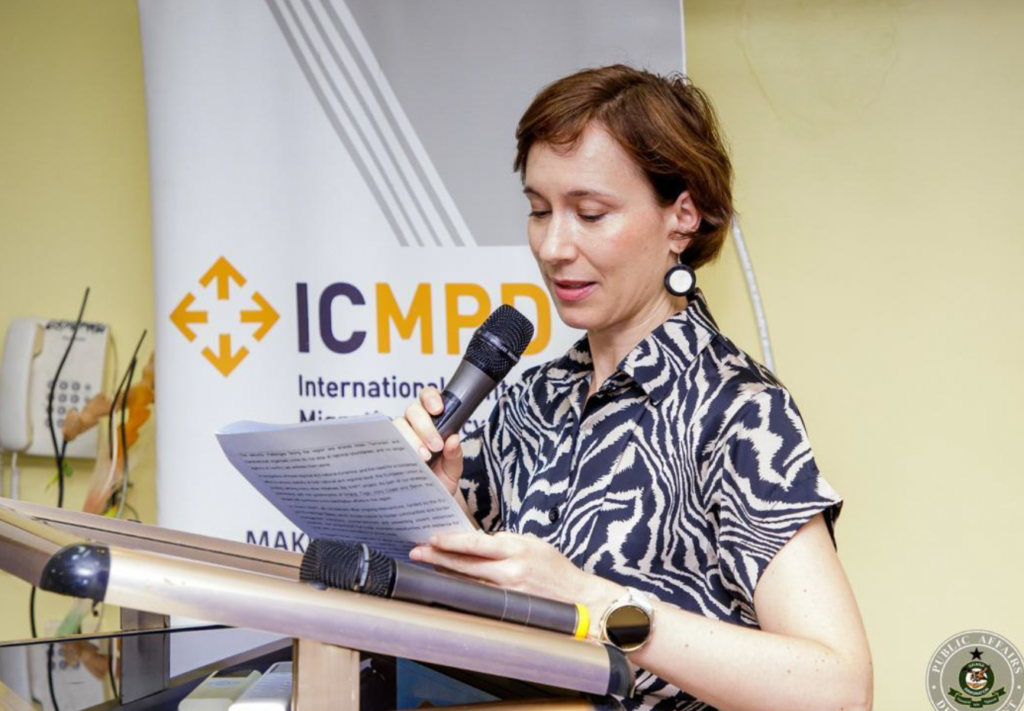
Head of Office for ICMPD, Amala Obiokoye Nwalor, stressed the importance of improving communication among security agencies.


She noted that although the various agencies currently operate separate communication systems, there is a need to institutionalise the GIS Information Exchange Mechanism (IEM) within the Service and extend it to Regional Commands and Border Control Points.
During the meeting, members of the National Project Steering Committee reviewed and adopted the committee’s Terms of Reference.
The committee, chaired by Deputy Comptroller-General of Immigration Faisal Disu, also approved the 2026 Work Plan, which will guide implementation of the project over the coming year.
EU Team Leader Gisela Spreitzhofer commended members of the committee for their commitment to the initiative, describing the inaugural meeting as successful and one that met her expectations.

The meeting brought together representatives from the Ghana Immigration Service, the European Union, ICMPD, other security agencies and civil society organisations as Ghana begins implementing what officials describe as a key regional effort to strengthen border security and improve cooperation across West Africa.
DISCLAIMER: The Views, Comments, Opinions, Contributions and Statements made by Readers and Contributors on this platform do not necessarily represent the views or policy of Multimedia Group Limited.
DISCLAIMER: The Views, Comments, Opinions, Contributions and Statements made by Readers and Contributors on this platform do not necessarily represent the views or policy of Multimedia Group Limited.
Source link


