


The Association of Ghana Industries (AGI) is stepping up efforts to strengthen Ghana’s garment, textiles and leather sector, following the government’s decision to engage local manufacturers to produce uniforms and other apparel for the security services.
The initiative is expected to create opportunities for local businesses, but industry players say addressing skills shortages, high production costs, and limited access to raw materials will be critical to strengthening industry demand.
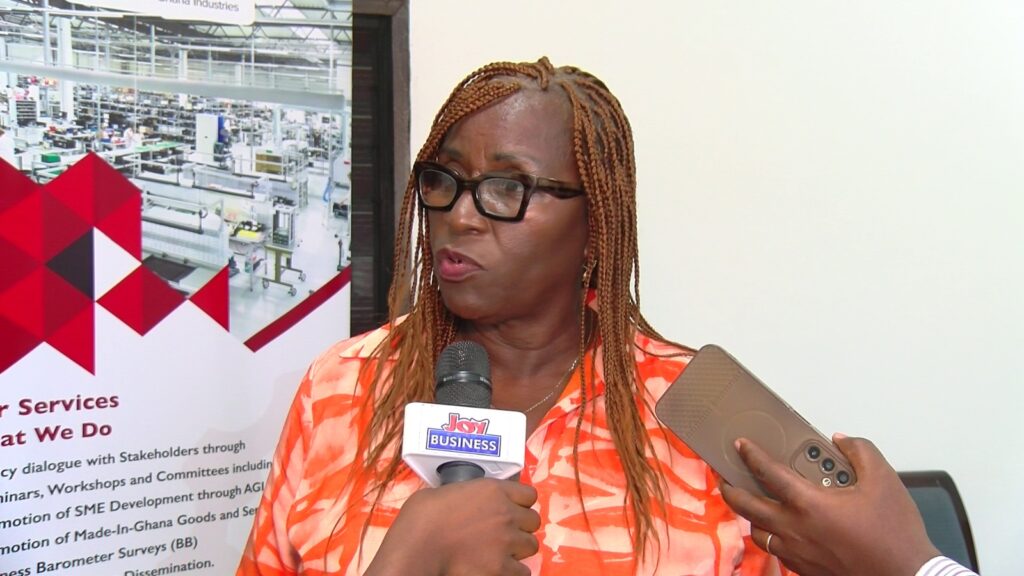
Chairperson of AGI’s Garment, Textiles and Leather Sector, Edwina Assan, says the association is engaging training institutions and industry players to develop the skills needed to strengthen local production.
She noted that some institutions lack the technical expertise and personnel to train workers for the industry, making collaboration with experienced manufacturers necessary.
“We are looking at coming up with programmes that the industry players can help with, supporting the institutions in training,” she said.
She also identified the high cost of imported raw materials and other production inputs as major constraints affecting local manufacturers.
According to her, reducing dependence on imported materials through local production will help lower manufacturing costs and make Ghanaian products more competitive.
“It’s only when we have our raw materials produced locally that we can also produce at a cheaper price and be able to pay well,” she added.

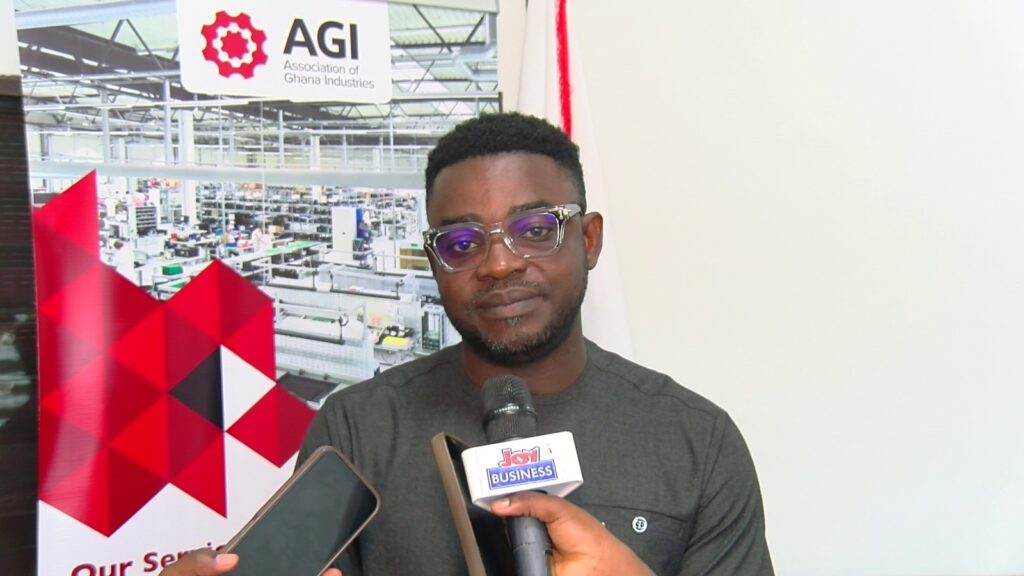
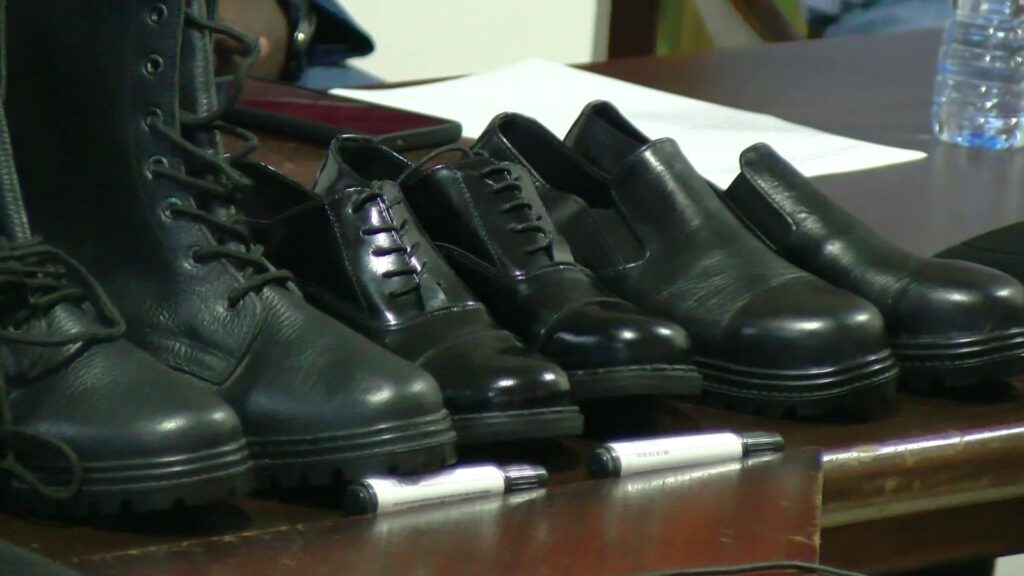
Meanwhile, the Chief Executive Officer of Horseman Shoes, Tonyi Senayah, says Ghana must be deliberate in building the capacity of local footwear and leather businesses before considering restrictions on imported products.
He questioned whether local companies currently have the production capacity to meet domestic demand, arguing that protecting the industry must go hand in hand with investment in skills, enterprise development, and market access.
“What we are advocating for is that we start building the capacity of players or enterprises in the footwear and leather space. And we have to be intentional,” he said.
Mr. Senayah noted that successful industrial economies developed their manufacturing sectors through deliberate policies and sustained support for local businesses.
He believes the leather industry presents significant opportunities for job creation, particularly among young people, but says local enterprises need the right support to expand and compete.
“By being intentional, we have to start building the capacity of these businesses, developing skills and also giving them access to market,” he added.
The industry says stronger collaboration, improved technical training, and increased local raw material production will be essential to expanding Ghana’s manufacturing capacity.
It believes these measures will help local businesses take advantage of government procurement opportunities, create employment, and strengthen the country’s garment, textiles and leather value chain.
DISCLAIMER: The Views, Comments, Opinions, Contributions and Statements made by Readers and Contributors on this platform do not necessarily represent the views or policy of Multimedia Group Limited.
DISCLAIMER: The Views, Comments, Opinions, Contributions and Statements made by Readers and Contributors on this platform do not necessarily represent the views or policy of Multimedia Group Limited.
Source link


