


Patients in Benin, The Gambia and Togo are set to have new spaces where they can raise complaints and concerns about the healthcare they receive.
The West African Health Organisation (WAHO) has launched projects to establish Health Service User Support Centres in the three countries as part of efforts to improve the quality and safety of healthcare in West Africa.
The centres are expected to give patients and other users of health services a structured place to report problems, seek guidance and get support when they encounter difficulties during their healthcare journey.
But WAHO says the centres are not intended to be simple complaints desks.
They will also provide opportunities for dialogue and mediation, while information gathered from patients will be used to identify recurring problems and help improve healthcare.
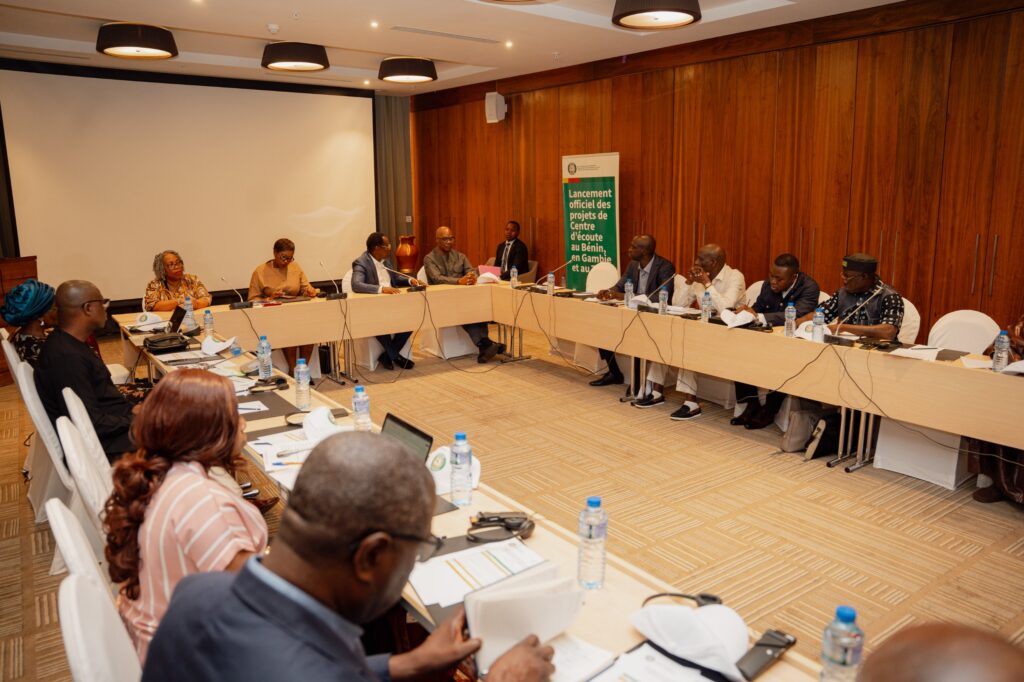
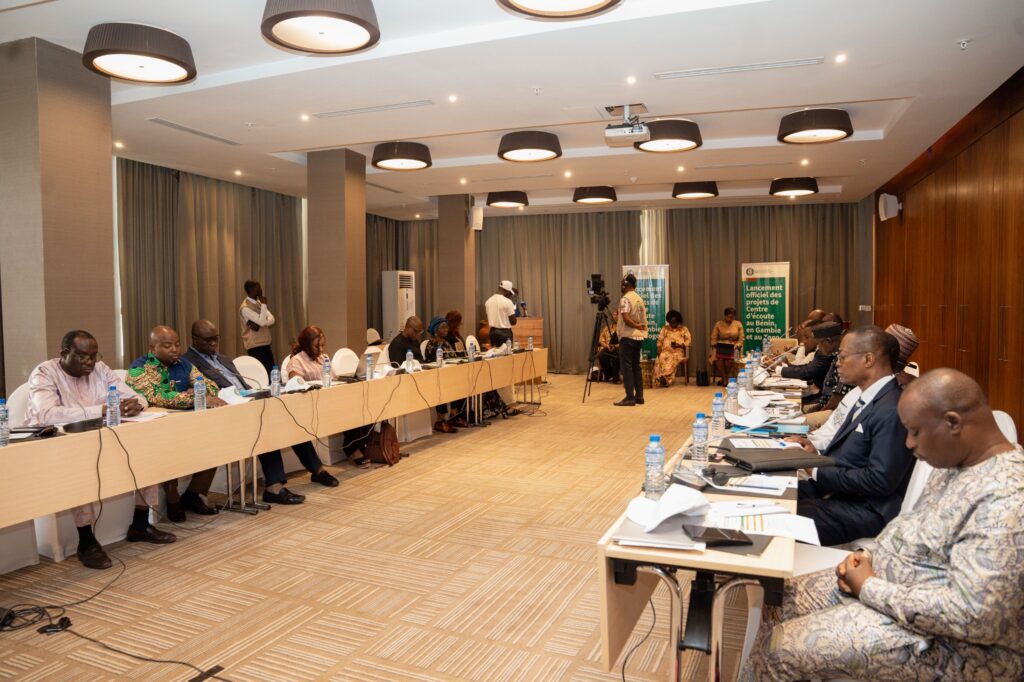
The projects were officially launched in Lomé, Togo, on 21 August 2026.
The ceremony brought together representatives of the ECOWAS Commission, WAHO and the Togolese government, as well as representatives and presidents of the Medical Councils of Benin, The Gambia and Togo.
‘A space of dignity’
WAHO Director General Dr Melchior Athanase J. C. Aïssi said patients’ complaints and feedback should be treated as an important source of information for improving health systems.
He said the centres should go beyond recording complaints.
A Health Service User Support Centre, he said, is “a space of dignity where the complainant’s voice is received, documented and transformed into action for improvement”.
The centres are expected to help health authorities identify risks, learn from patients’ experiences and provide appropriate responses.
The initiative is also being presented as a way of strengthening trust between patients and healthcare providers.
ECOWAS Resident Representative in Togo, H.E. Deweh Emily Gray, praised WAHO and the Medical Councils of the three countries for their commitment to the project.
She said the centres could help strengthen trust between communities and healthcare facilities.
She also called for strong coordination and the sharing of lessons between the three countries so that experiences from one country can benefit the others.
Vice-President of the ECOWAS Commission, H.E. Damtien Tchintchibidja, said the initiative fits into the wider vision of an ECOWAS that is increasingly focused on its people.
She said regional integration should result in tangible improvements in services provided to citizens, particularly healthcare.
She urged the Medical Councils to ensure that the centres become accessible and trusted places where patients’ concerns can be dealt with promptly and respectfully.
The Togolese Minister of Health and Public Hygiene, Universal Health Coverage and Insurance, Jean-Marie Koffi Tessi, was represented at the ceremony by the Director General of Studies, Planning and Health Information, Dr Yawa Djatougbe Apetsianyi.
The minister said a health system should not be judged only by its ability to prevent disease and provide treatment.
It should also be able to listen to patients, respect their dignity and take their concerns into account.
The centres are therefore expected to play a role in both responding to individual complaints and identifying wider problems affecting health-service users.
First three countries
Benin, The Gambia and Togo are the first three countries to benefit from the initiative.
The projects are part of a regional effort led by ECOWAS, with technical support from WAHO.
The three countries began refining their respective approaches at a planning meeting in Abidjan in September 2025, where their Medical Councils presented their projects.
WAHO says supporting the three countries at the same time will also allow them to learn from one another.
Lessons from the first phase are expected to help develop approaches suited to each country’s circumstances while contributing to a broader regional approach to patient support, mediation and protection of health-service users.
For WAHO, the broader goal is to make patients’ experiences and concerns part of efforts to improve healthcare.
The organisation says the initiative is intended to support safer, more accountable and more responsive health systems, while strengthening trust between communities, health professionals and health institutions.
DISCLAIMER: The Views, Comments, Opinions, Contributions and Statements made by Readers and Contributors on this platform do not necessarily represent the views or policy of Multimedia Group Limited.
DISCLAIMER: The Views, Comments, Opinions, Contributions and Statements made by Readers and Contributors on this platform do not necessarily represent the views or policy of Multimedia Group Limited.
Source link
