


This blog is managed by the content creator and not GhanaWeb, its affiliates, or employees. Advertising on this blog requires a minimum of GH₵50 a week. Contact the blog owner with any queries.
Neo Report Blog of Friday, 20 February 2026
Source: Obeng Samuel
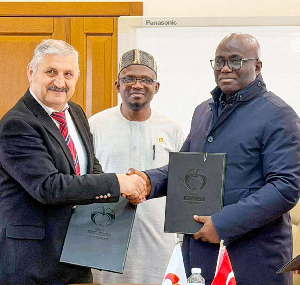
In a significant boost to Ghana’s agro-industrial transformation agenda, Government has signed a Memorandum of Understanding (MoU) with GIDA VE TARIM University in Türkiye to expand agricultural education and professional training opportunities for Ghanaian students.
The agreement, signed on behalf of Government and John Dramani Mahama, establishes a new scholarship framework that will enable Ghanaian students to pursue academic and advanced professional training in agriculture.
The partnership is designed to strengthen human capital development within Ghana’s agricultural sector by equipping students with modern skills, technical expertise, and global best practices in agro-production and agro-industry development.
Building Capacity for Agro-Industrial Growth
Under the MoU, GIDA VE TARIM University—renowned for its focus on agricultural studies—will offer scholarships across various agriculture-related programmes. The initiative prioritises capacity building and skills transfer to enhance productivity, innovation, and sustainability within Ghana’s agro-industrial value chain.
The Ministry will facilitate the selection and placement of qualified Ghanaian students into specialised training programmes, ensuring that beneficiaries return with practical knowledge to contribute meaningfully to national development.
Investing in Skills for National Transformation
The agreement underscores Government’s commitment to investing in human resource development as a cornerstone of economic growth. By strengthening technical expertise in agriculture, the initiative aims to position Ghana’s agro-industrial sector as a key driver of employment, food security, and export competitiveness.
This strategic collaboration is expected to serve as a catalyst for modernising Ghana’s agricultural systems, fostering innovation, and building a new generation of highly skilled professionals to support the long-term expansion of the country’s agro-industrial economy.
As Ghana continues to prioritise agricultural transformation, partnerships that promote knowledge exchange and scholarship opportunities remain central to unlocking the sector’s full potential.
